“Fast Delivery, Incredible Quality”
Marlin Steel Wire Products LLC is a leading manufacturer of high-performance sheet metal and steel wire forms and baskets, working with a diverse client base since 1968. To meet widely varied needs, we produce and stock standard baskets for fast order fulfillment while offering custom wire basket fabrication services to deliver solutions tailored to your specific requirements for shape, size, material, and basket features or properties. Our custom-made wire baskets will last you for years or even decades with proper material composition and care, reducing expenses on basket replacements over time.
Discover the advantages of custom wire baskets for various industries, and learn how Marlin Steel's team of mechanical engineers can help support and streamline your operations by designing, perfecting, and producing high-quality custom baskets for your application. Additionally, Marlin Steel's ISO 9001:2015/Amd.1:2024 and ISO 13485:2016 certifications demonstrate our commitment to quality and regulatory compliance, ensuring that our customers receive products that meet the highest industry standards.
Narrator: Fast delivery, incredible quality. Marlin Steel Wire Products LLC is a leading manufacturer of high-performance sheet metal and steel wire forms and baskets, working with a diverse client base since 1968.
To meet widely varied needs, we produce and stock standard baskets for fast order fulfillment while offering custom wire basket fabrication services to deliver solutions tailored to your specific requirements for shape, size, material, and basket features or properties. Our custom-made wire baskets will last you for years or even decades with proper material composition and care, reducing expenses on basket replacements over time.
Discover the advantages of custom wire baskets for various industries. And learn how Marlin Steel's team of mechanical engineers can help support and streamline your operations by designing, perfecting, and producing high-quality custom baskets for your application. Additionally, Marlin Steel's ISO 9001:2015 and ISO 13485:2016 certifications demonstrate our commitment to quality and regulatory compliance, ensuring that our customers receive products that meet the highest industry standards.
Why Choose Marlin Steel's Custom Wire Baskets?
Companies big and small rely on Marlin Steel for custom metal wire basket solutions.
Engineered for Efficiency: We rely on advanced design software, automation, and robotic solutions to streamline production workflows for optimal efficiency.
Built to Last: Our team uses only high-quality materials and designs when engineering our industrial wire baskets to ensure durability and longevity in your products.
Fast and Reliable: Marlin Steel provides dependable and swift custom wire basket solutions to meet your deadlines and keep your operations moving.
Constructed by Dedicated Engineers: Our engineering team will collaborate with you to gain an in-depth understanding of your needs to deliver a superior product.
Fully Customizable: Regardless of shape, size, or feature requirements like handles, hoists, dividers, and lids, we can design baskets tailored to your specific application. We also offer forklift-friendly baskets or thermally resistant ones for applications involving low or high temperatures.
Backed by extensive industry expertise, Marlin Steel has more than half a century of multi-market experience adhering to diverse industry standards and regulations. Explore our in-stock wire basket selection. Unmatched metal basket design and engineering capabilities.
Advanced Manufacturing and Automation
At Marlin Steel, we take a collaborative approach to design, working closely with your team to develop custom wire baskets that meet your unique requirements.
Using sophisticated virtual testing software such as Autodesk to vet basket designs, our degreed engineers eliminate the time-consuming process of making endless prototypes that wouldn't work, saving you time and money. We'll build your wire baskets quickly and with a level of consistency that manual labor simply can't match. Anything you need can be precision manufactured with rapid delivery thanks to the speed, efficiency, and accuracy of our automated fabrication solutions.
We incorporate robotics into our wire mesh basket manufacturing process to achieve uniform quality and high-volume production runs. These robots assemble wire forms morning, noon, and night without getting tired. This allows for not only fast production of your baskets, but also ensures that each basket meets your tolerances from the first to the last. Our team also works with such advanced factory automation solutions as wire-bending robots and a medium-frequency direct current welder, generating the best welds in the USA.
Material Options and Finishes
Our team is experienced in working with a range of high-quality materials so that we can provide you with options suited to your wire basket applications.
Stainless Steel: Grades 304, 316, and 330.
Steel Grades: 1008 and 1010.
Carbon Steel: Bright basic low, medium, and high varieties.
Galvanized steel, copper, brass, aluminum, and other alloy materials.
When you partner with Marlin Steel for your custom metal baskets, you can select from more than 40 different coating and finishing options to enhance their performance and aesthetics. Our mechanical engineers will help you find the ideal coating or finish for your project, with common examples including:
Natural Finish
Soft Polymers and Scratch-Resistant Hard Polymers
Electropolish and Passivation
Coatings: Nylon, Teflon, Halar, Kynar, powder, and plastic coat.
Plating: Nickel, zinc, chrome, and galvanized plate.
Industries and Applications
Critical industries worldwide depend on Marlin Steel to design and manufacture custom metal baskets to their exact specifications and tolerance requirements. Our versatile metal wire baskets are ideal for numerous applications, including:
Parts and material handling
High-temperature sanitation and sterilization
Ultrasonic cleaning and aqueous parts cleaning
Vapor degreasing
They're beneficial for such industries as aerospace, automotive, food processing, telecommunications, and medical. View our stainless steel wire basket selection guide.
Marlin Steel: Your Trusted Wire Basket Manufacturer.
As your custom wire basket manufacturer, Marlin Steel provides rapid global delivery of 100% USA-made products as part of our focus on Quality Engineered Quick®. We integrate industry expertise, extensive design and production services, a team of highly skilled degreed engineers, and state-of-the-art factory automation to produce custom metal forms with precision.
As evidence of our commitment to quality, Marlin Steel is an ISO 9001:2015 certified and ISO 13485:2016 company. And upon request, we have our ASME BTH-1-2008 standard compliance form available. Look forward to collaborating with you closely.
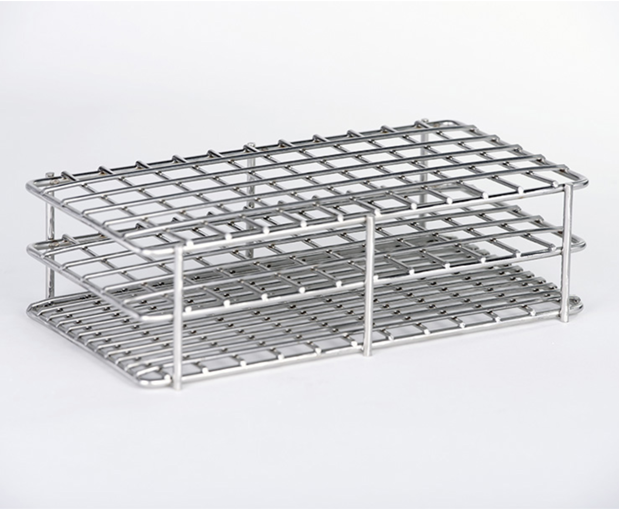
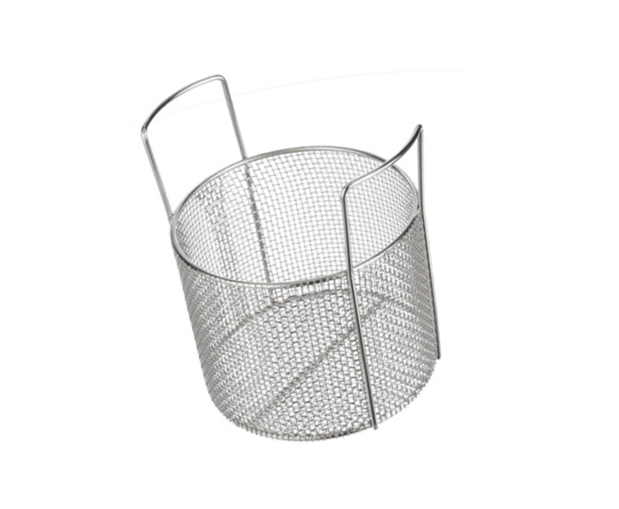
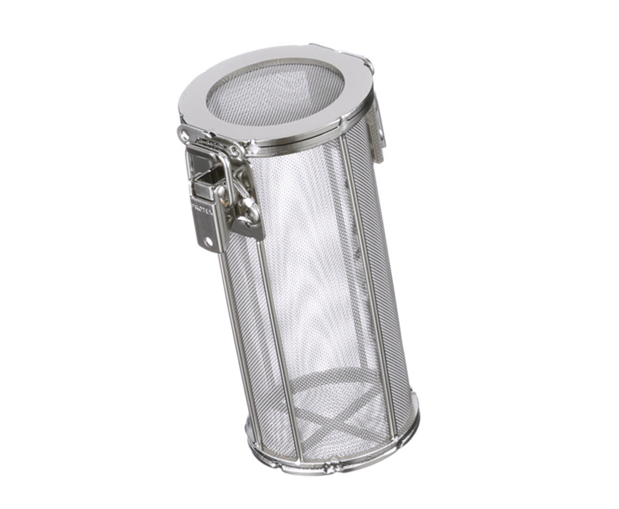
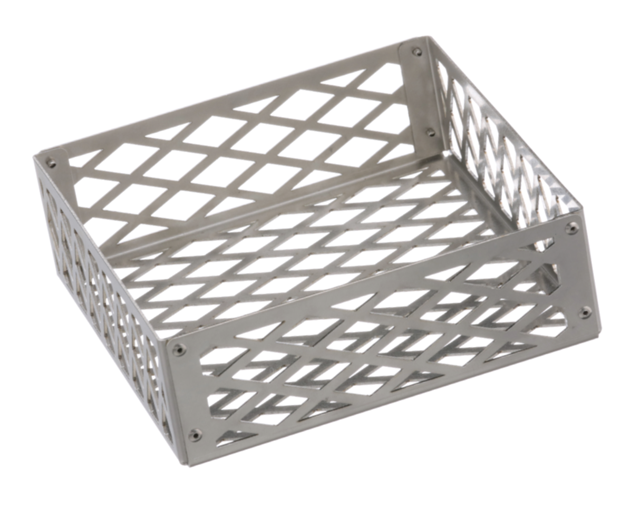
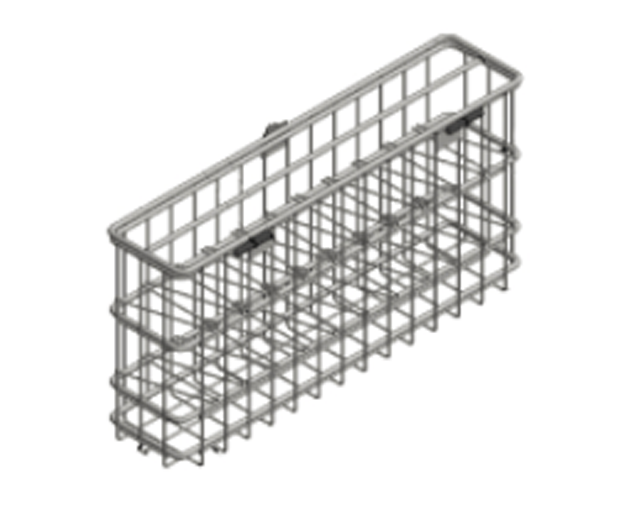
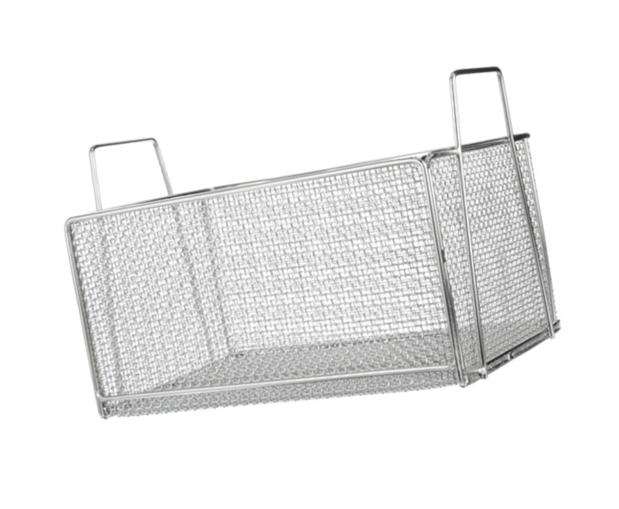
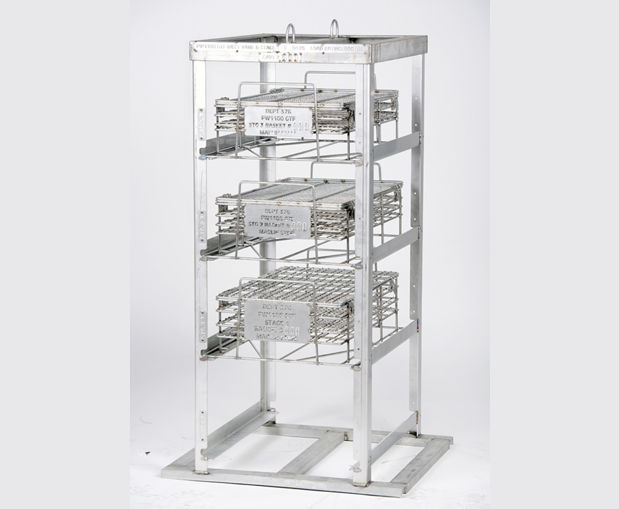
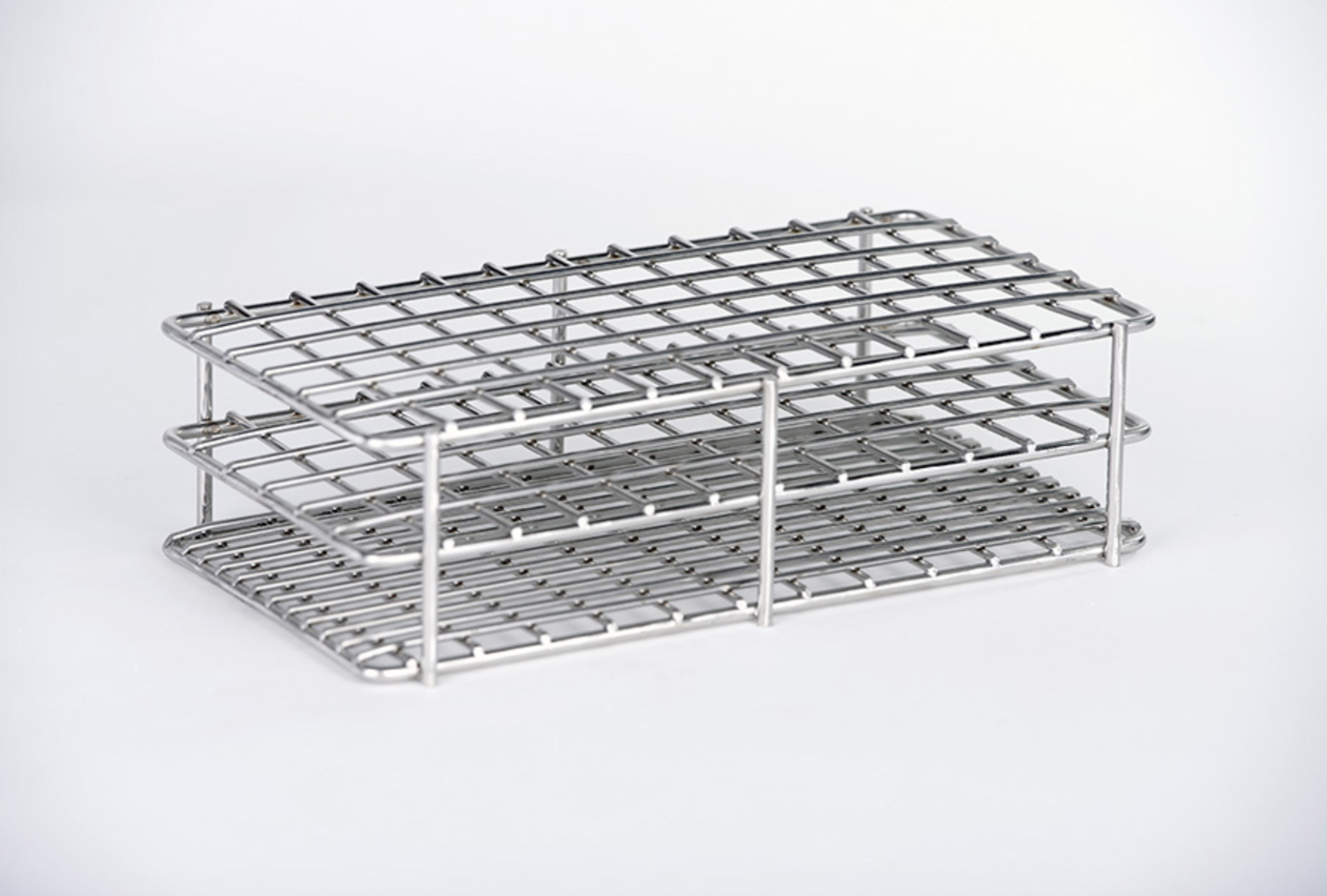
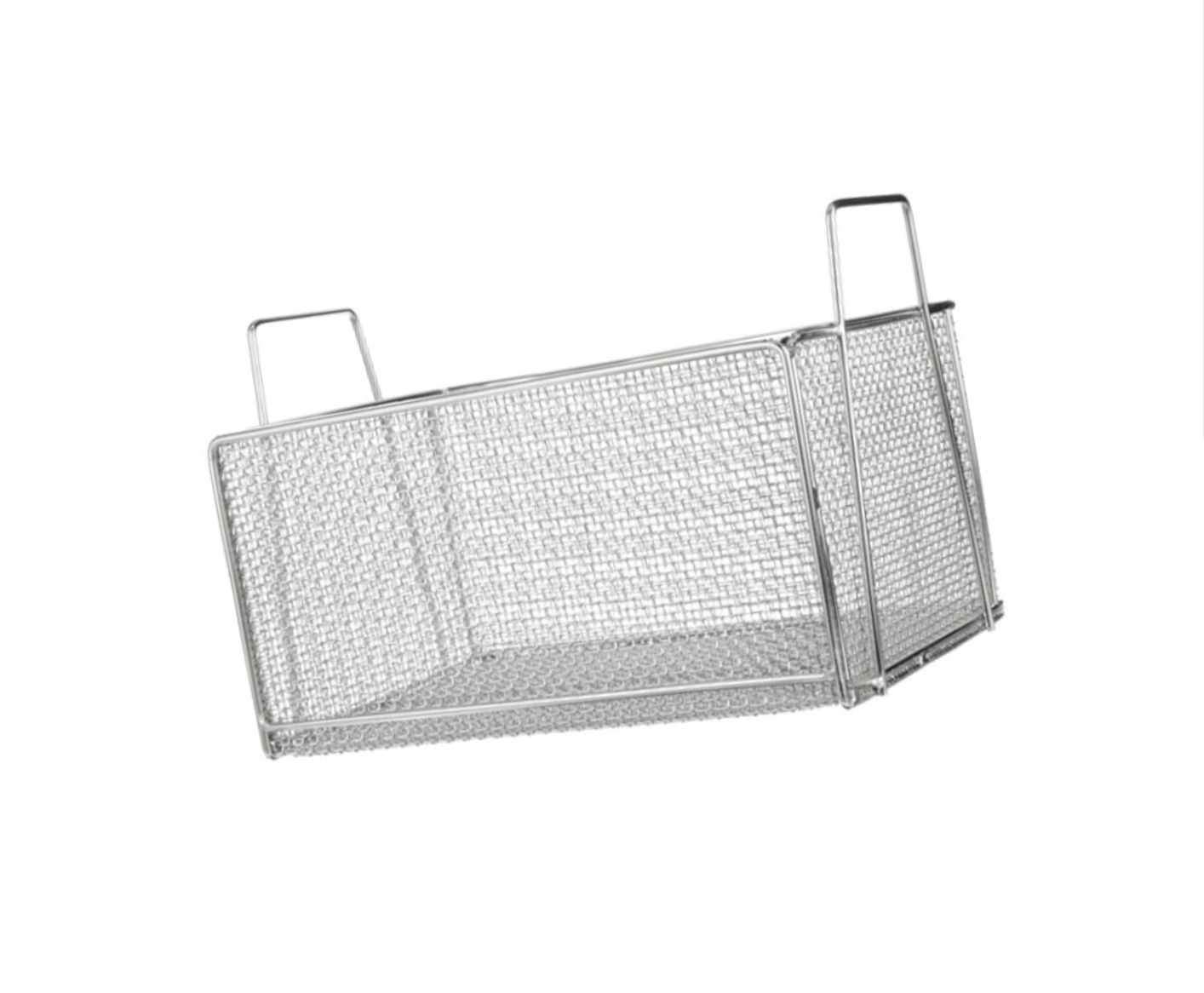
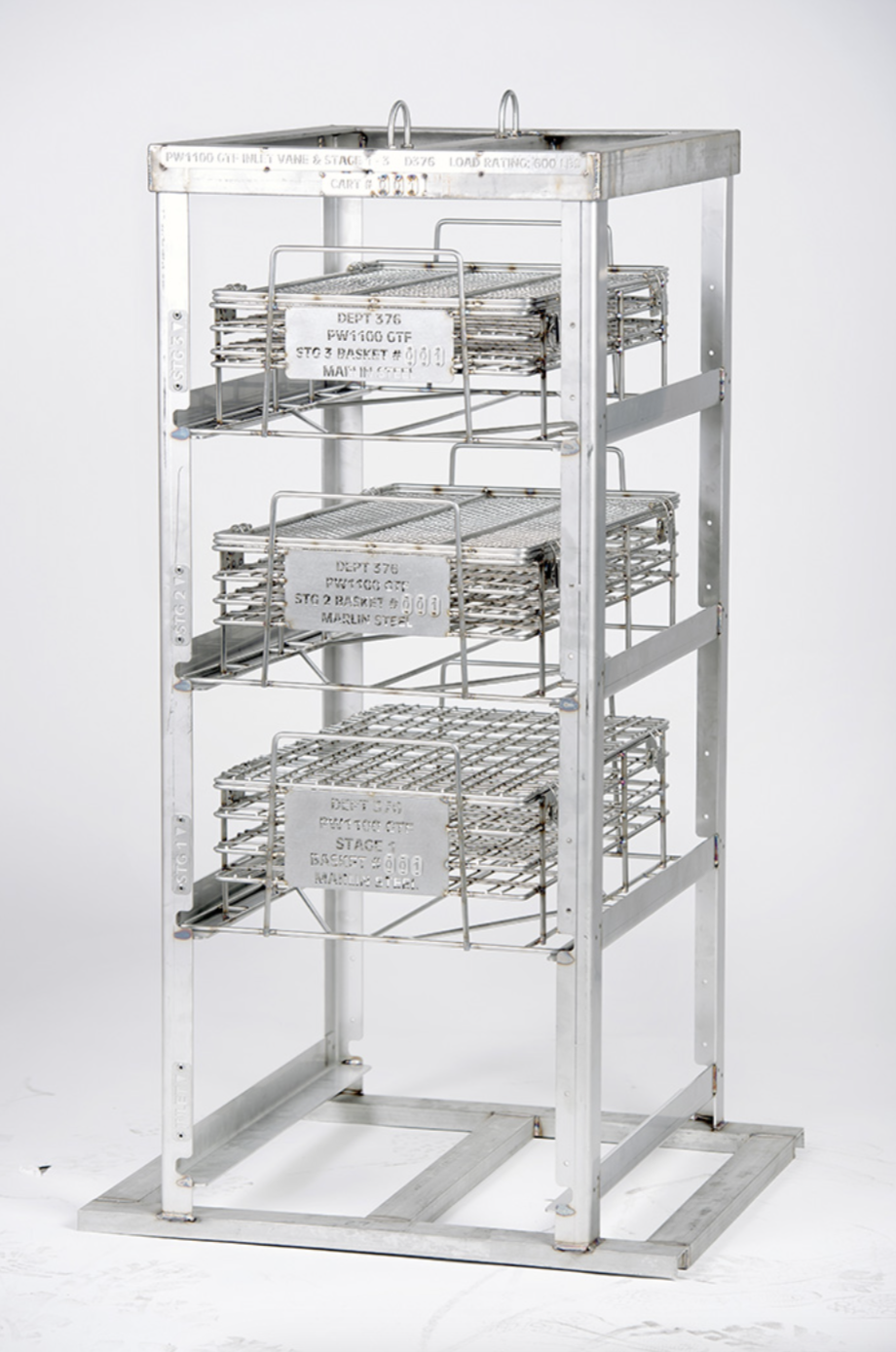
Companies big and small rely on Marlin Steel for custom metal wire basket solutions. Each of our baskets is:
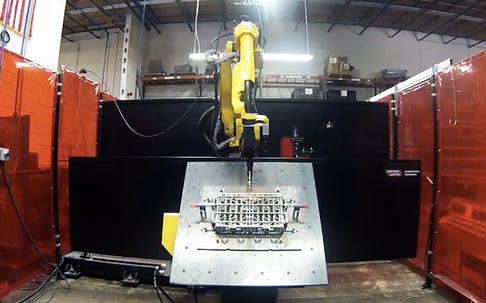
At Marlin Steel, we take a collaborative approach to design, working closely with your team to develop custom wire baskets that meet your unique requirements. Using sophisticated virtual testing software such as Autodesk to vet basket designs, our degreed engineers eliminate the time-consuming process of making endless prototypes that wouldn't work, saving you time and money.
We'll build your wire baskets quickly and with a level of consistency that manual labor simply can't match. Anything you need can be precision-manufactured with rapid delivery thanks to the speed, efficiency, and accuracy of our automated fabrication solutions.
We incorporate robotics into our wire mesh basket manufacturing process to achieve uniform quality in high-volume production runs. These robots assemble wire forms morning, noon, and night without getting tired. This allows for not only fast production of your baskets but also ensures that each basket meets your tolerances, from the first to the last. Our team also works with such advanced factory automation solutions as wire-bending robots and a medium-frequency direct current welder generating the best welds in the USA.
Critical industries worldwide depend on Marlin Steel to design and manufacture custom metal baskets to their exact specifications and tolerance requirements. Our versatile metal wire baskets are ideal for numerous applications, including parts and material handling, high-temperature sanitation and sterilization, ultrasonic cleaning, aqueous parts cleaning, and vapor degreasing. They're beneficial for such industries as:
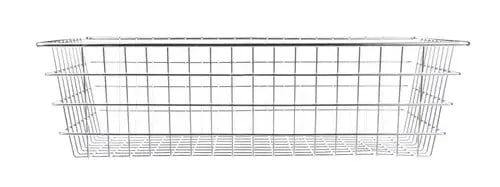
As your custom wire basket manufacturer, Marlin Steel provides rapid global delivery of 100% USA-made products as part of our focus on Quality Engineered Quick®. We integrate industry expertise, extensive design and production services, a team of highly skilled degreed engineers, and state-of-the-art factory automation to produce custom metal forms with precision.
As evidence of our commitment to quality, Marlin Steel is an ISO 9001:2015/Amd.1:2024-certified and ISO 13485:2016 company, and upon request, we have our ASME BTH 1 2008 standard compliance form available. We've also received OSHA's SHARP award for our achievements in workplace safety.

Narrator: Our baskets are in Boeing, Caterpillar, and Toyota plants. You deserve the same quality. We have these in stock and can ship today. We can customize these baskets for you.
If the sizes are not optimal, we can do any of these baskets in stainless or plain steel. We can electropolish the stainless steel. We can also nickel or chrome plate, Teflon, nylon, or plastic coat your baskets. We can coat the baskets any color, though black is our most common color.
Check this out: we can even coat it with an antimicrobial coating for infection control. This will halt MRSA in its tracks.
We love customizing. Our clients need all kinds of shapes and sizes for their applications. We send a questionnaire to get our arms around your challenges. We want to understand your fit, form, and function.
We send a precise AutoCAD print based on your input, and we take your comments constructively. Once we iron out a print, we will go into production and make great quality. And if you do want to customize, we are fast. We typically ship raw baskets in just one week. Now, if you need coating, we typically ship it in two or 3 weeks. If you need it even faster, just let us know.
Established in 1968, Marlin Steel Wire has been featured in Fortune, Popular Mechanics, The Washington Post, and in the last several months, we have exported our baskets and hooks to Canada, Mexico, the UK, Belgium, Japan, New Zealand, and my favorite, Taiwan.
How cool is that? We specialize in shipping fast, high quality products. We have thousands of baskets and hooks in stock, but love customizing for your needs. We make everything in the USA—great quality. Please send us an email today or call us and we will quote you ASAP.
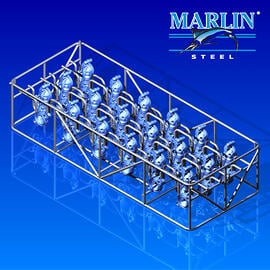 Wire Basket 2016004
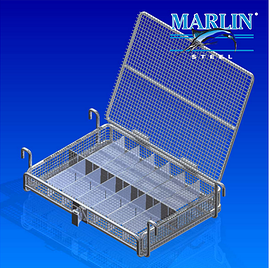 Wire Basket 986002
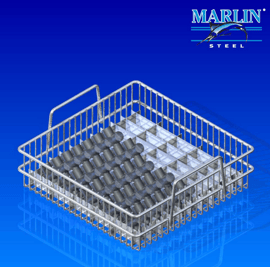 Wire Basket 1176003
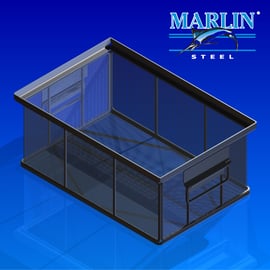 Wire Basket 2076001
 Wire Basket 738002
Wire Basket 781002
Wire Basket 810001
Wire Basket 929001
Wire Basket 2123001
Wire Basket 938015
Wire Basket 837016
Wire Basket 75008
Wire Basket 960008
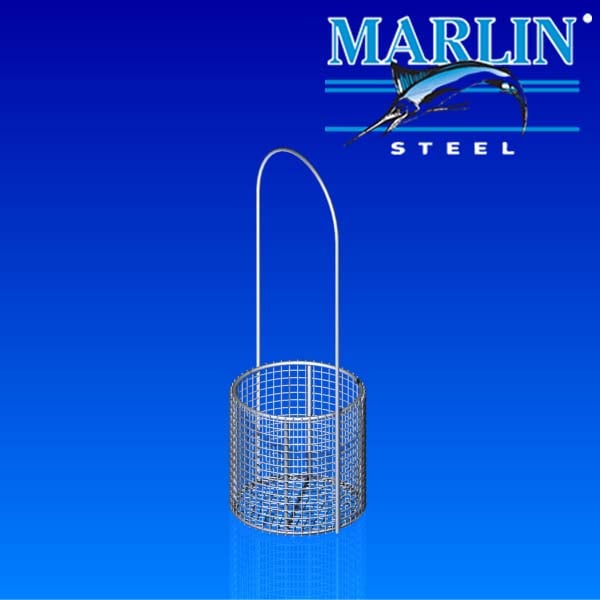
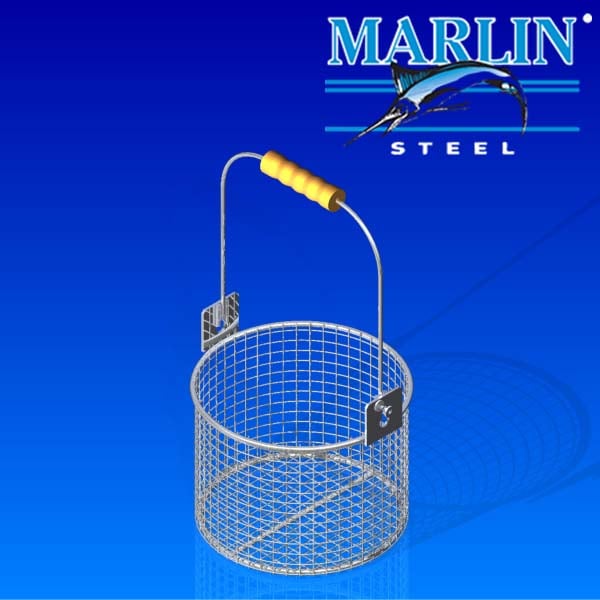
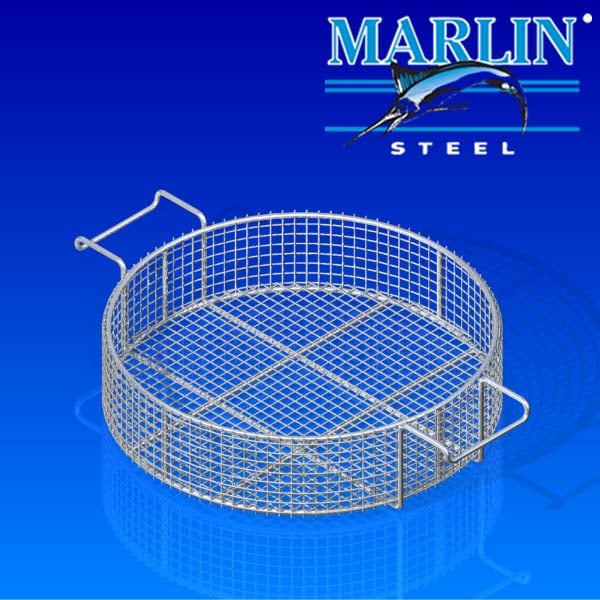
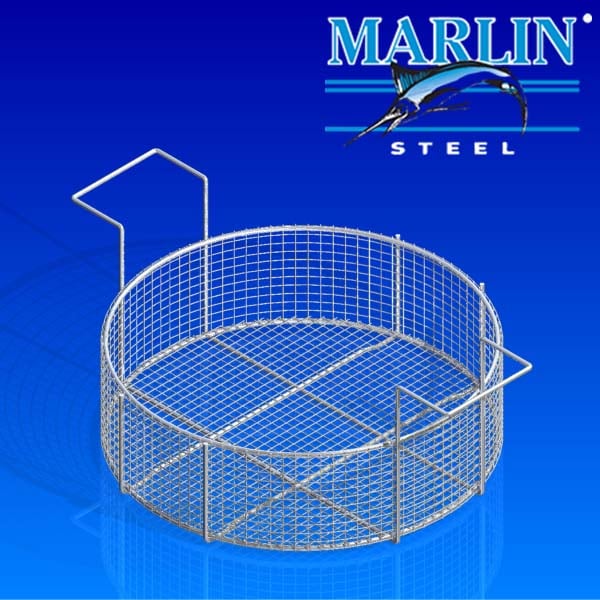
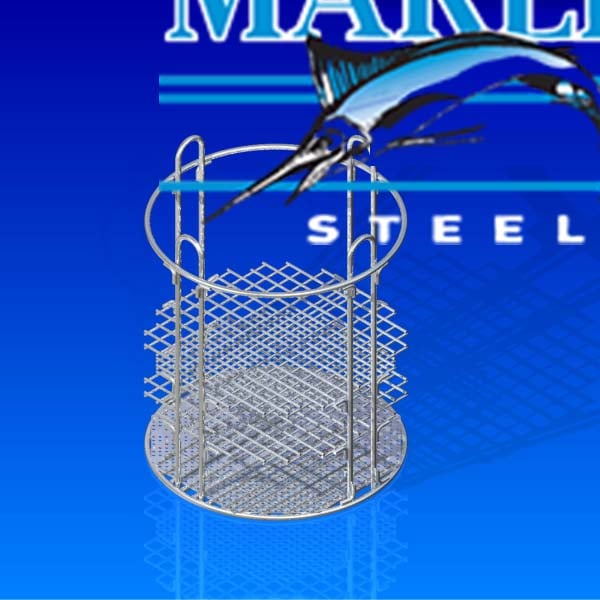
Round Ultrasonic Cleaning Basket 980001
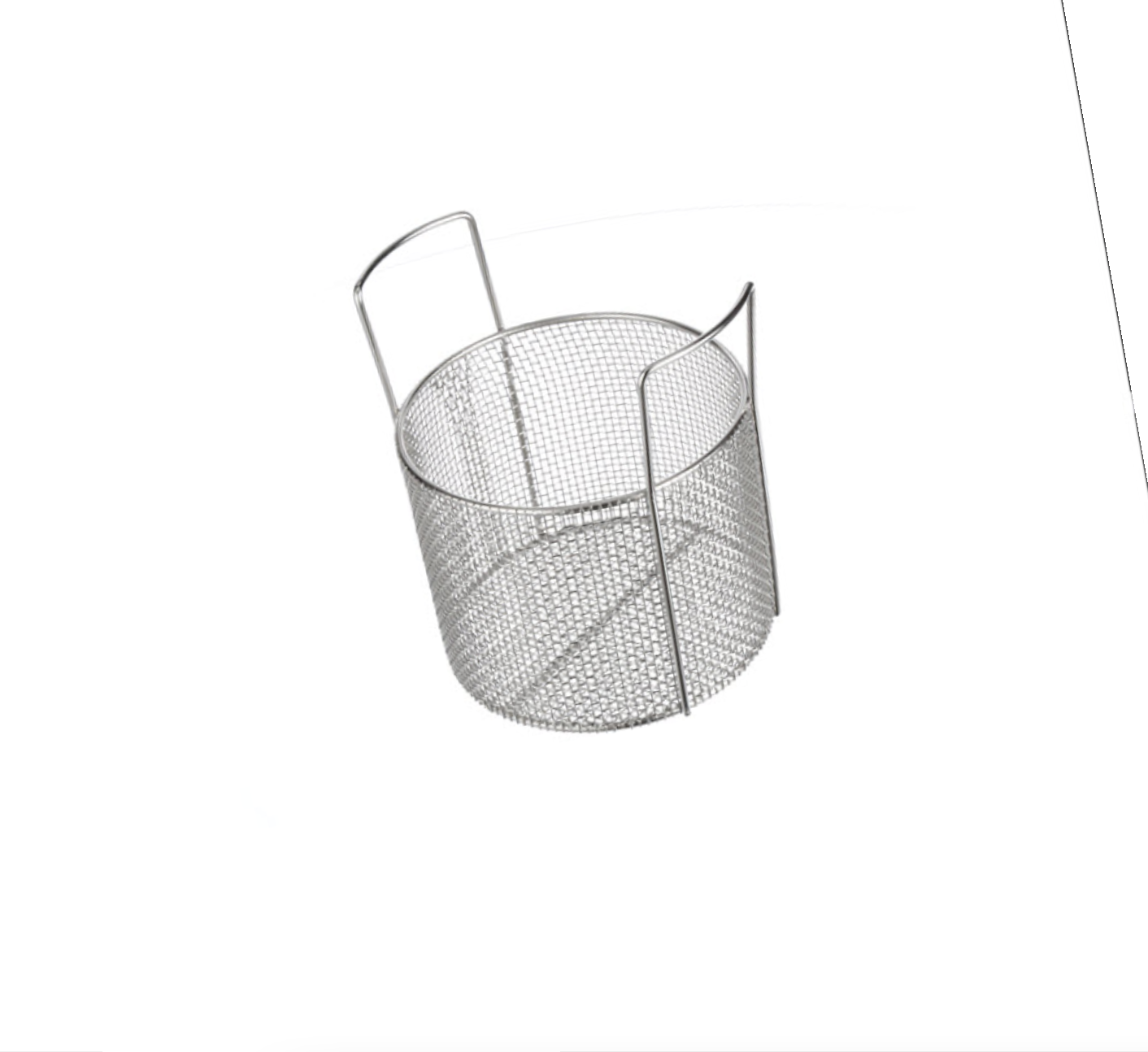
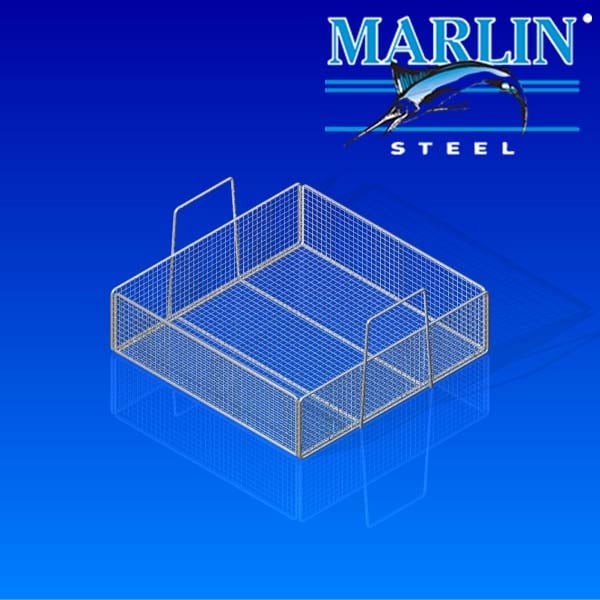
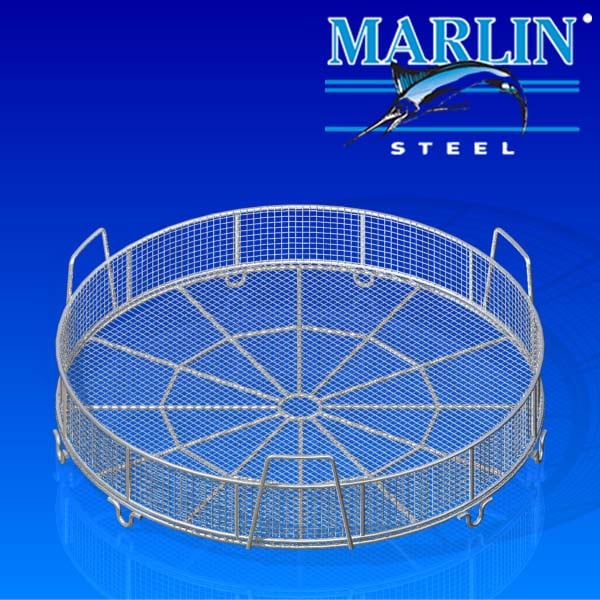
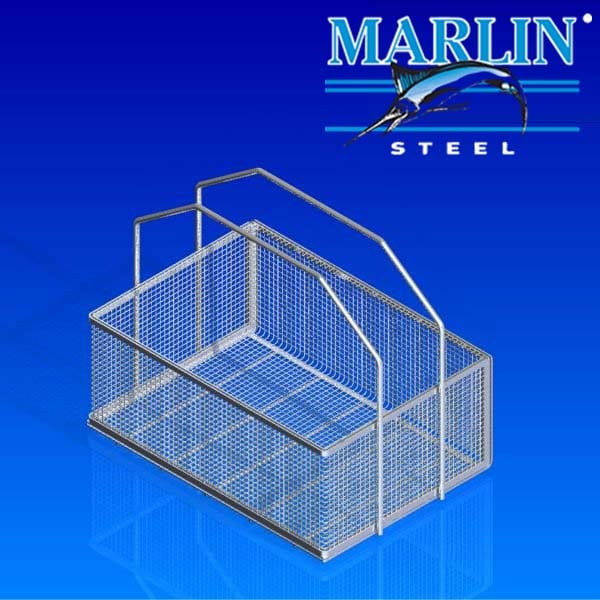
Wire Basket with Handles 980002
Wire Basket 997001
Wire Basket 738002
Wire Basket 781002
Wire Basket 810001
Wire Basket 929001
Wire Basket 2123001
Wire Basket 938015
Wire Basket 837016
Wire Basket 75008
Wire Basket 960008
Round Ultrasonic Cleaning Basket 980001
Wire Basket with Handles 980002
Wire Basket 997001
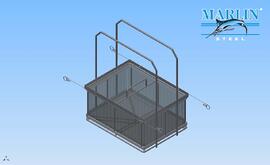 Wire Basket 1983001
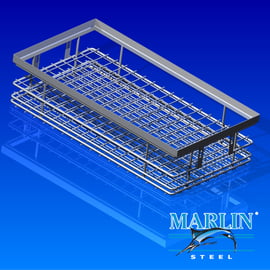 Wire Basket 689040
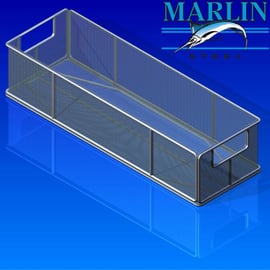 Wire Basket 2166001
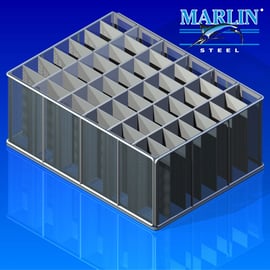 Wire Basket 1176003
Wire Basket 1976001
Wire Basket 360003
Wire Basket 785003
Wire Basket 1183005
Wire Basket 1614002
Wire Basket 1737001
Wire Basket 1787002
Wire Basket 1789004
Wire Basket 1789005
Wire Basket 1038001
Wire Basket 00038002
Wire Basket 1051005
Wire Basket 2014001
Wire Basket 1176003
Wire Basket 1976001
Wire Basket 360003
Wire Basket 785003
Wire Basket 1183005
Wire Basket 1614002
Wire Basket 1737001
Wire Basket 1787002
Wire Basket 1789004
Wire Basket 1789005
Wire Basket 1038001
Wire Basket 00038002
Wire Basket 1051005
Wire Basket 2014001
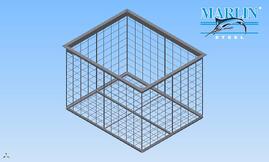 Wire Basket 1944001
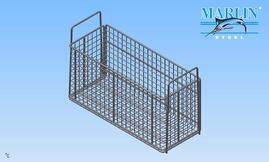 Wire Basket 1981001
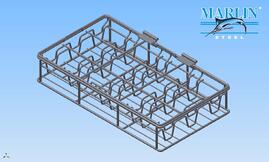 Wire Basket 1982001
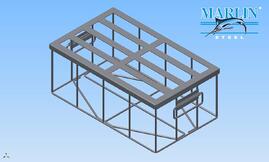 Wire Basket 1982002
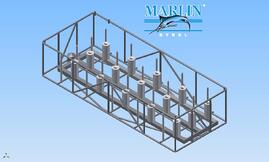 Wire Basket 2016001
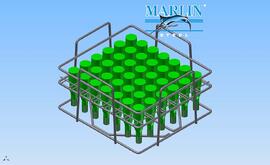 Wire Basket 2019001
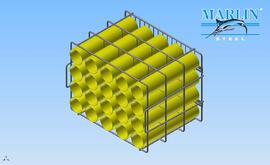 Wire Basket 0038003
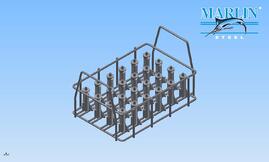 Wire Basket 75007
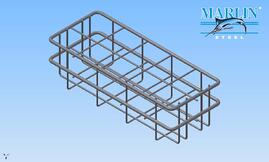 Wire Basket 531002
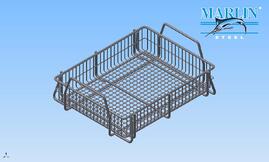 Wire Basket 640002
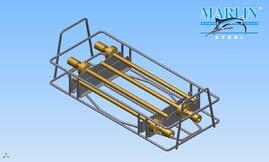 Wire Basket 718003
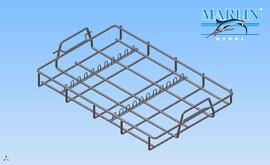 Wire Basket 719001
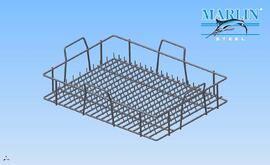 Wire Basket 719019
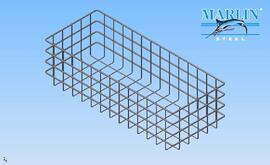 Wire Basket 778002
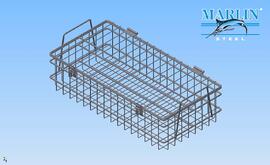 Wire Basket 837009
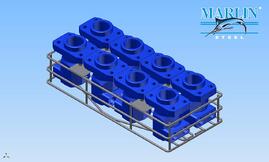 Wire Basket 938009
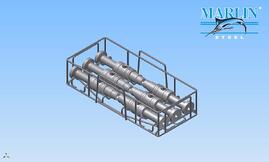 Wire Basket 938011
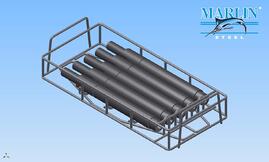 Wire Basket 938013
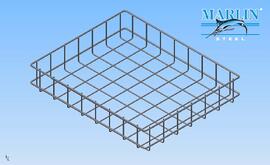 Wire Basket 1019002
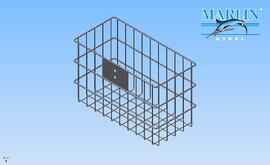 Wire Basket 1065001
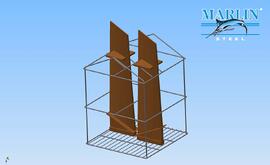 Wire Basket 1073003
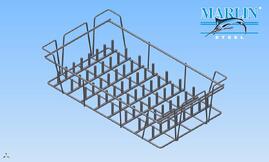 Wire Basket 1094007
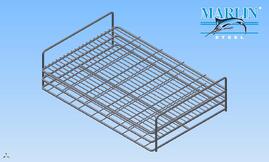 Wire Basket 1429006
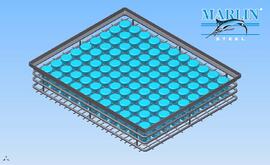 Wire Basket 1609001
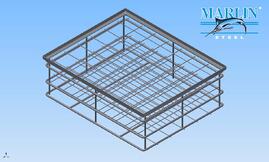 Wire Basket 1609003
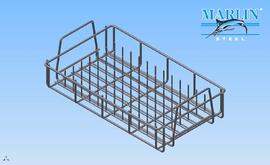 Wire Basket 1624004
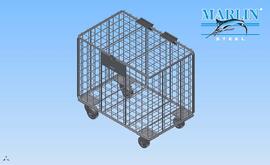 Wire Basket 1673002
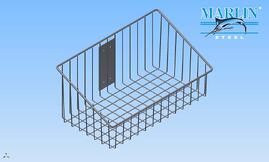 Wire Basket 1676001
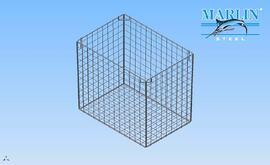 Wire Basket 1699001
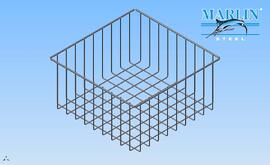 Wire Basket 1710002
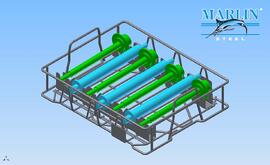 Wire Basket 1721001
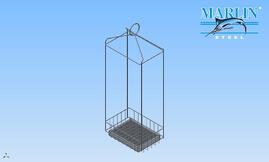 Wire Basket 1727002
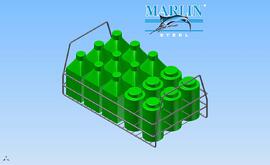 Wire Basket 1934001
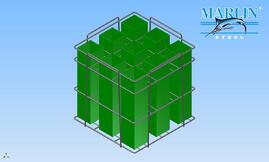 Wire Basket 1934002
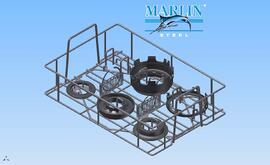 Wire Basket 1960001
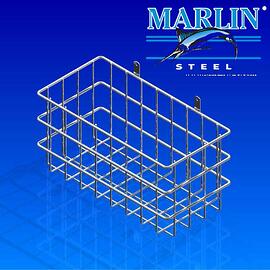 Wire Basket 889001
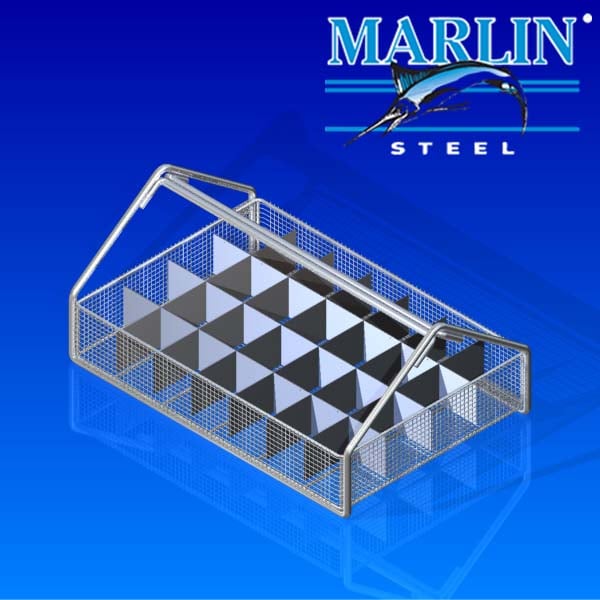
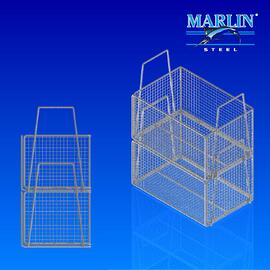 Wire Basket Stacking
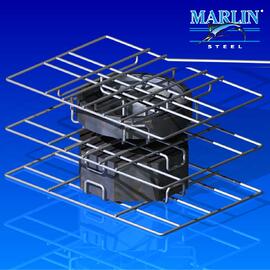 Wire Basket 961002
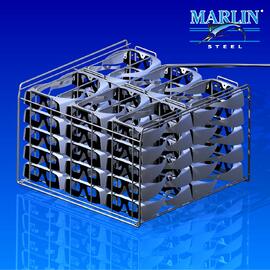 Wire Basket 1290004
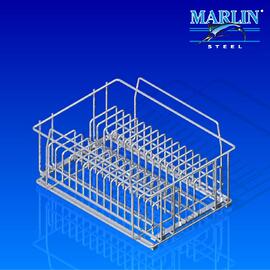 Wire Basket 3003
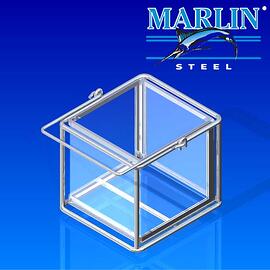 Wire Basket 371006
Wire Basket 999001
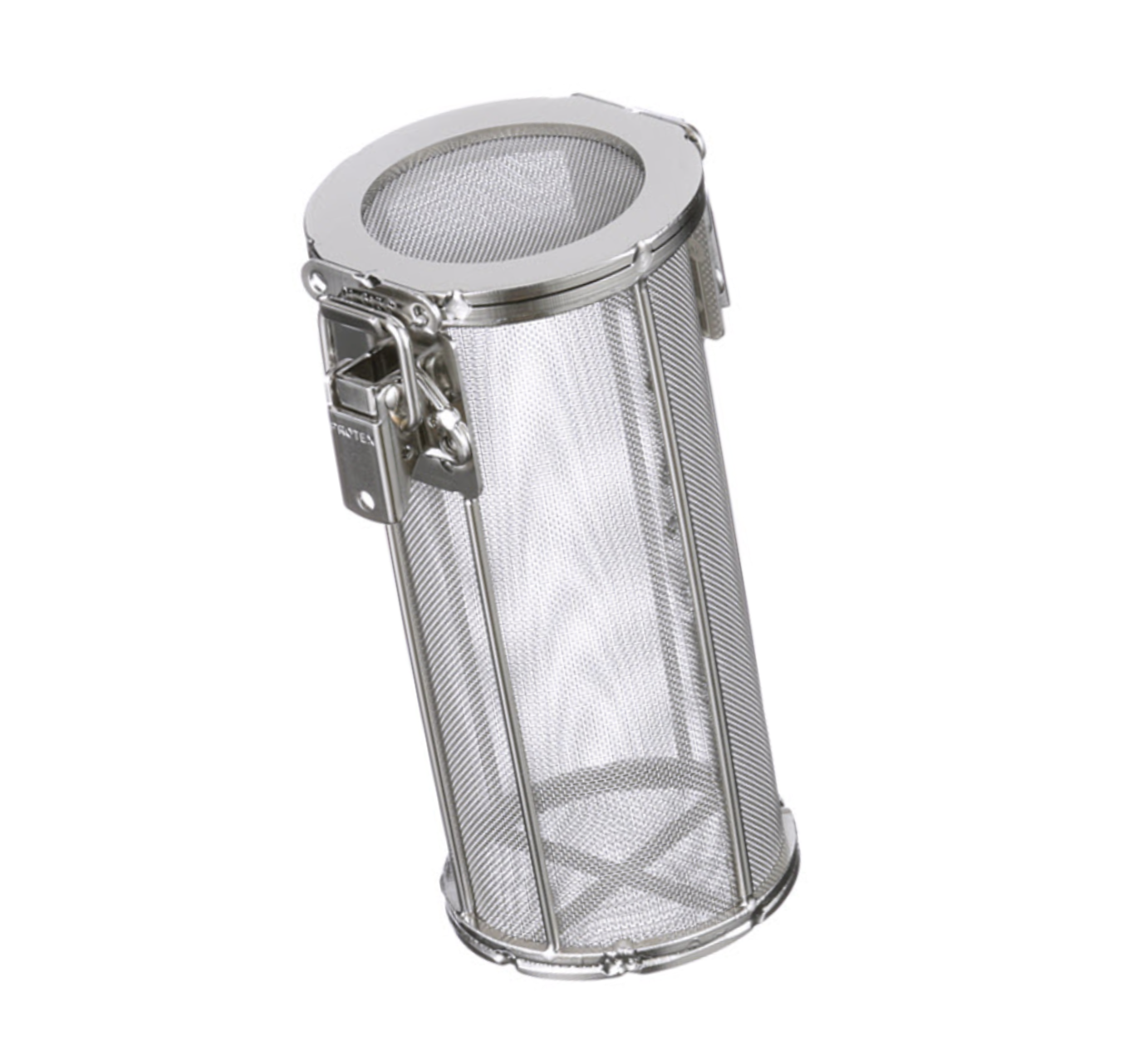
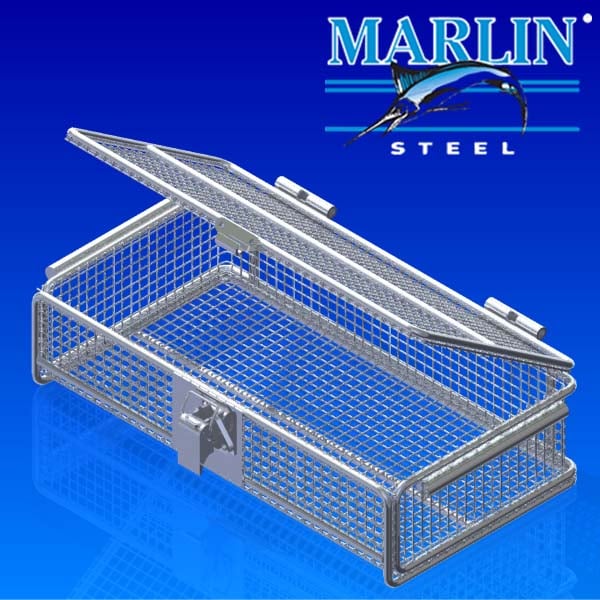
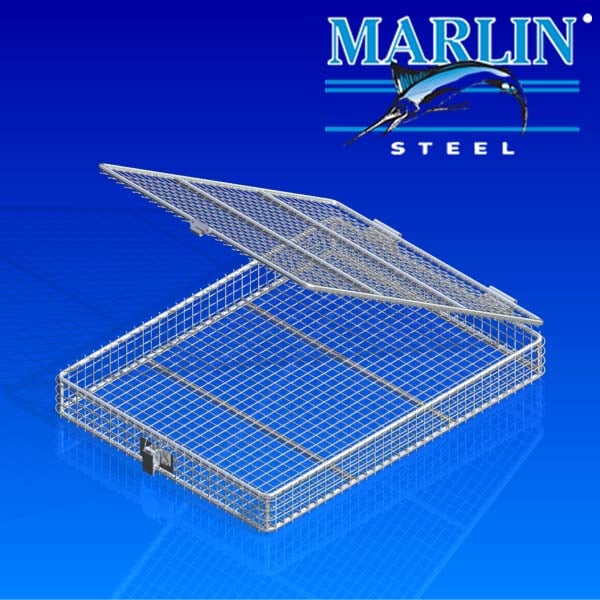
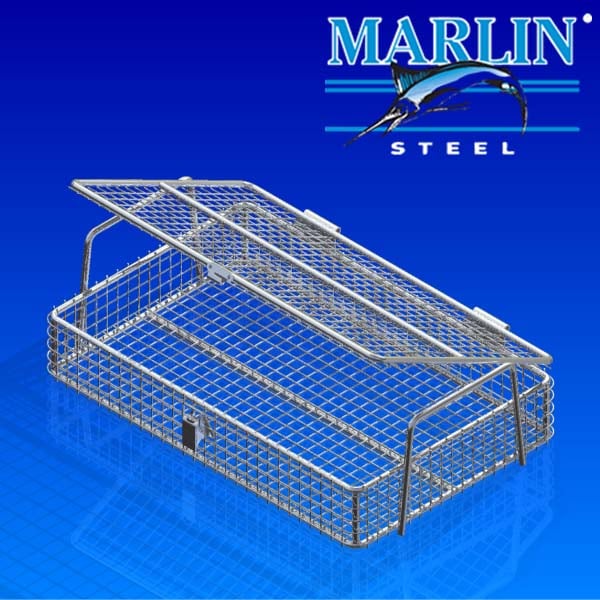
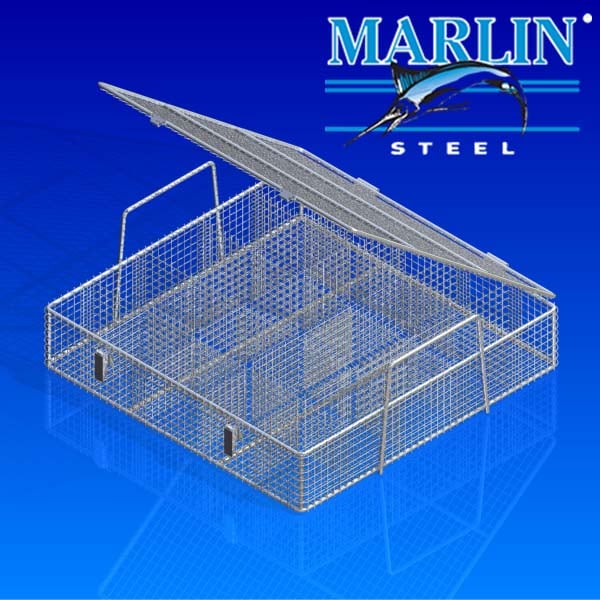
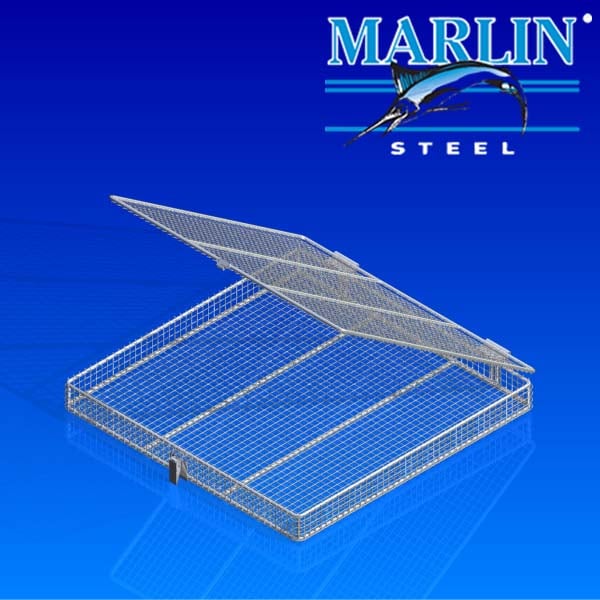
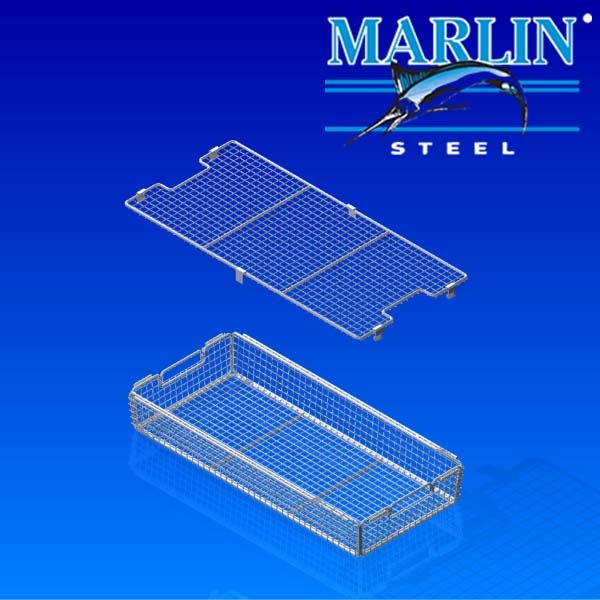
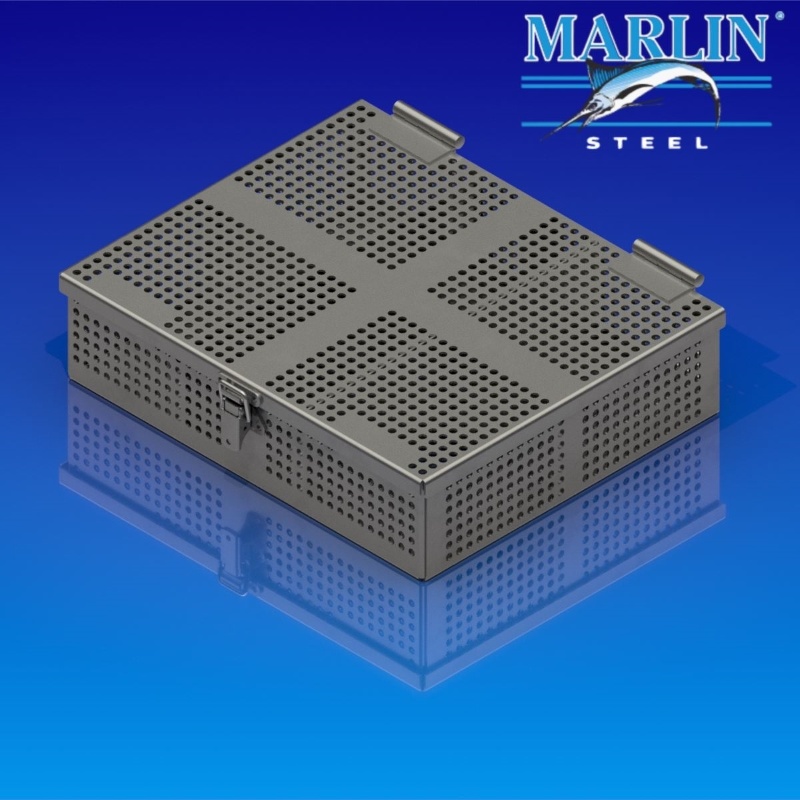
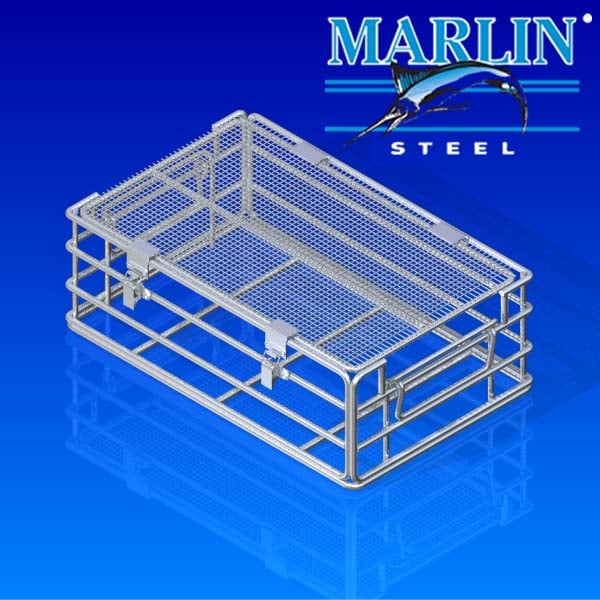
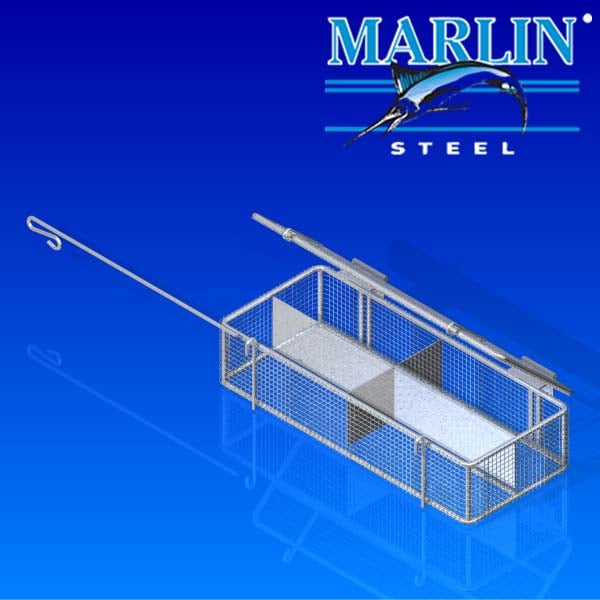
Wire Basket with Lid 1010001
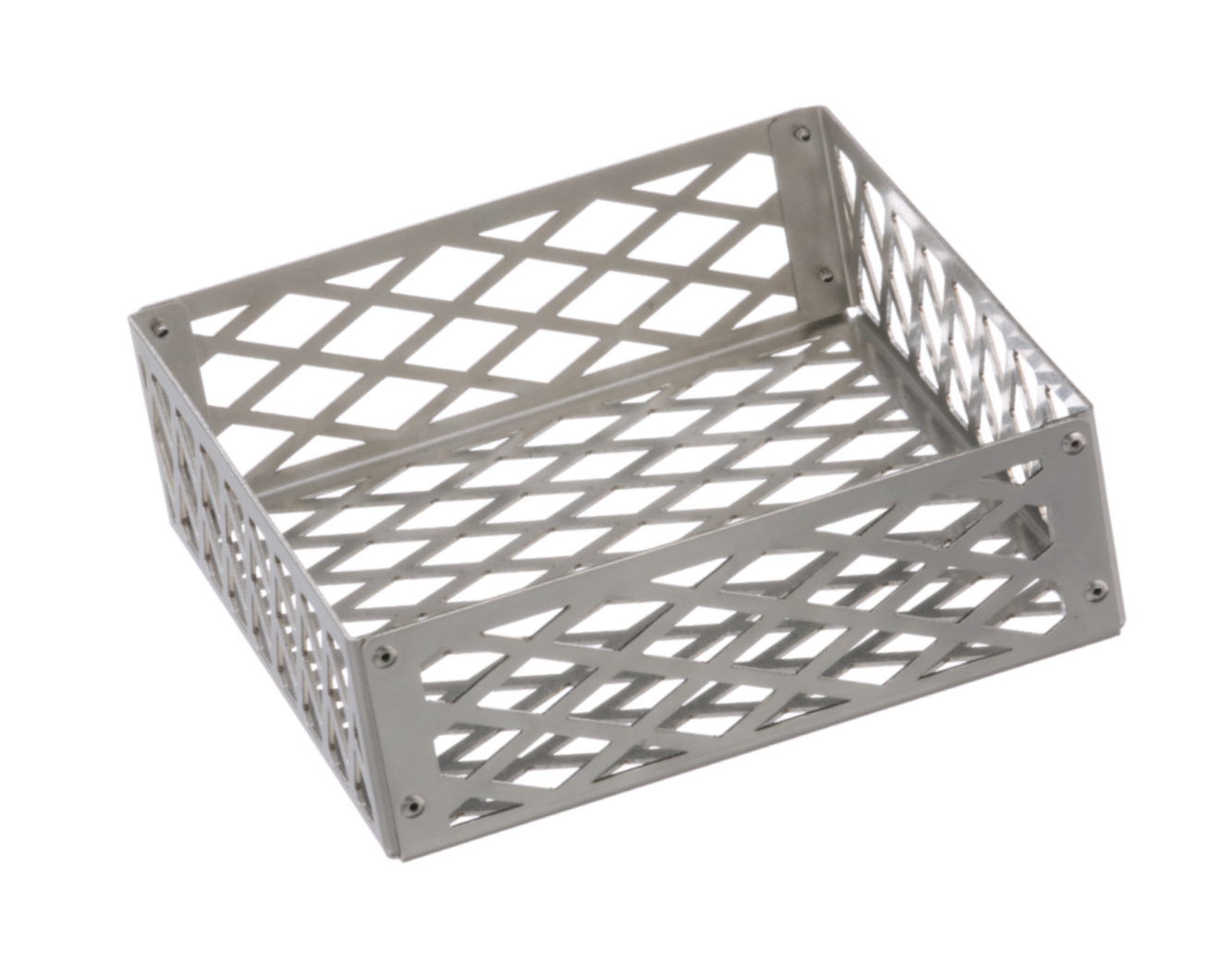
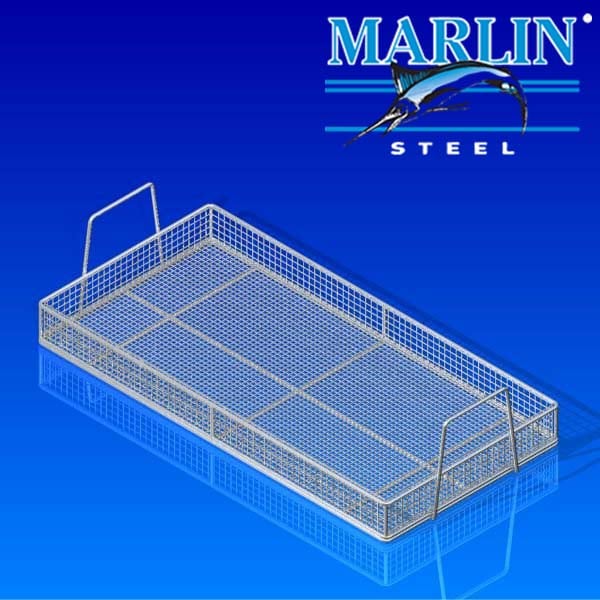
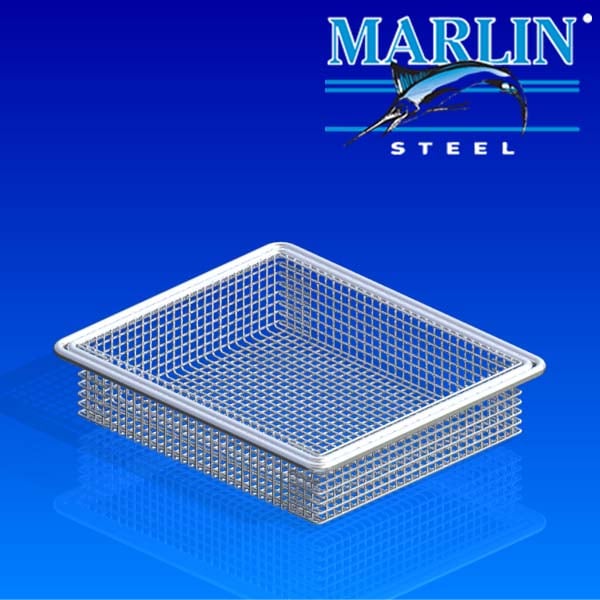
Rectangular Wire Basket 1010002
Wire Basket 1024004
Wire Basket 1024005
Wire Basket
Wire Basket 974002
Wire Basket 962003
Wire Basket 962001
Wire Basket 960014
Wire Basket 960013
Wire Basket 960010
Wire Basket 371006
Wire Basket 999001
Wire Basket with Lid 1010001
Rectangular Wire Basket 1010002
Wire Basket 1024004
Wire Basket 1024005
Wire Basket
Wire Basket 974002
Wire Basket 962003
Wire Basket 962001
Wire Basket 960014
Wire Basket 960013
Wire Basket 960010
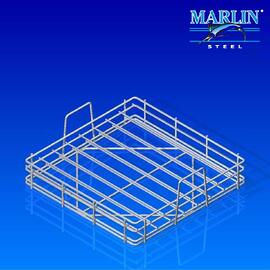 Wire Basket 960009
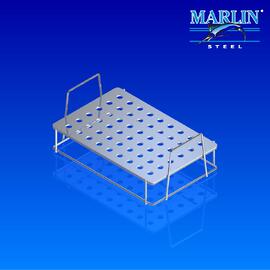 Wire Basket 960007
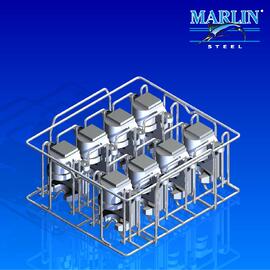 Wire Basket 947001
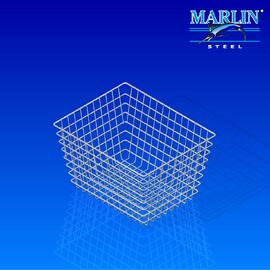 Wire Basket 917001
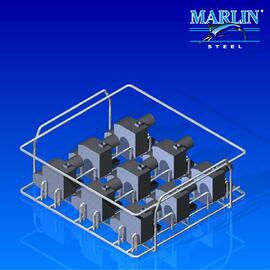 Wire Basket 903002
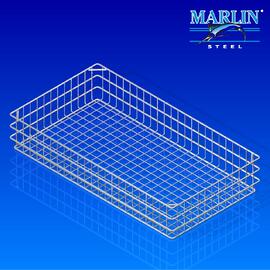 Wire Basket 886001
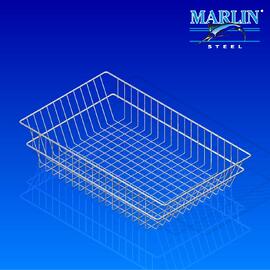 Wire Basket 884001
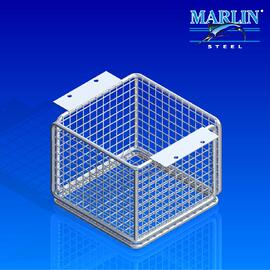 Wire Basket 876004
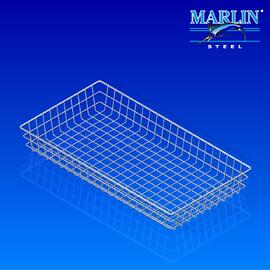 Wire Basket 875001
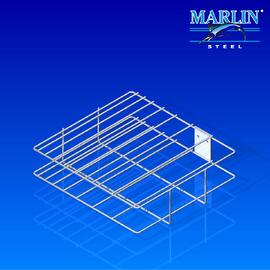 Wire Basket 867001
Wire Basket 851001
Wire Basket 842001
Wire Basket 840001
Wire Basket 839001
Wire Basket 867001
Wire Basket 851001
Wire Basket 842001
Wire Basket 840001
Wire Basket 839001
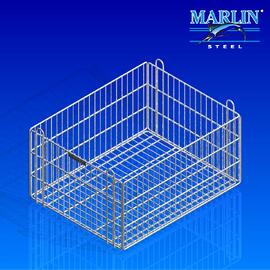 Wire Basket 814002
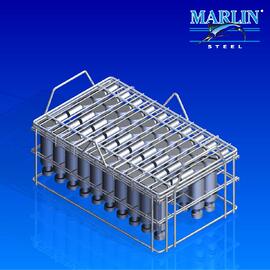 Wire Basket 791001
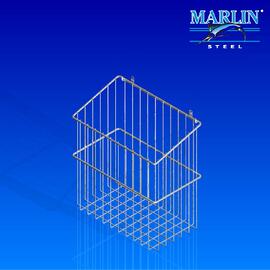 Wire Basket 788001
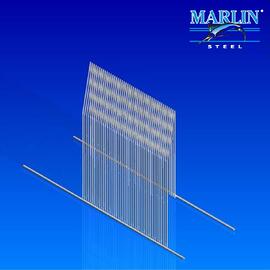
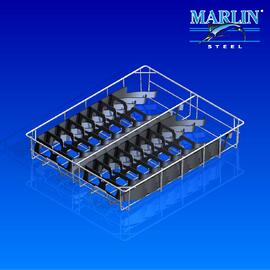 Wire Basket 780001
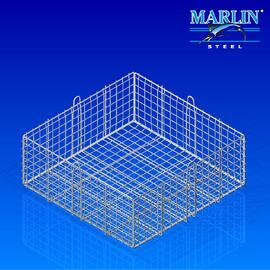 Wire Basket 768001
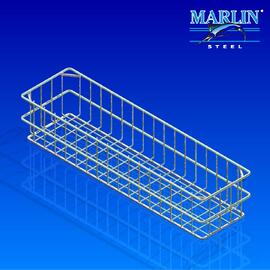 Wire Basket 767001
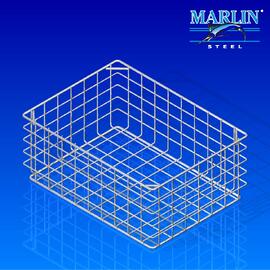 Wire Basket 759001
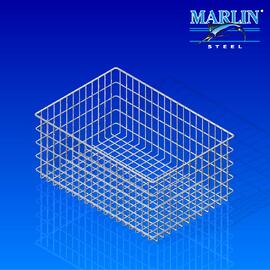 Wire Basket 756002
Wire Basket 756001
Wire Basket 1024004
Wire Basket 1024005
Wire Basket 1027001
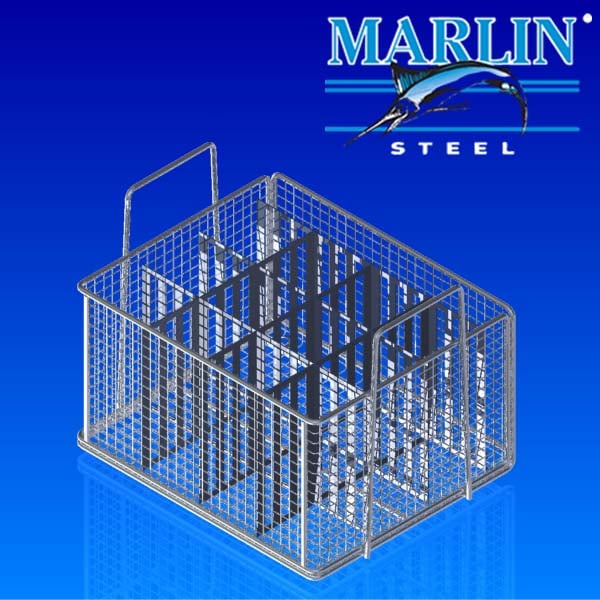
Wire Basket with Handles 1038001
Wire Basket 1043001
Wire Basket with Handles 1045001
Wire Basket 1051001
Wire Basket 756002
Wire Basket 756001
Wire Basket 1024004
Wire Basket 1024005
Wire Basket 1027001
Wire Basket with Handles 1038001
Wire Basket 1043001
Wire Basket with Handles 1045001
Wire Basket 1051001
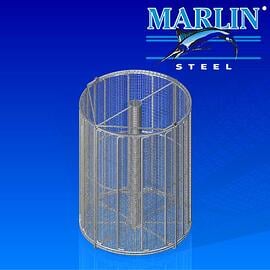 Wire Basket 1061001
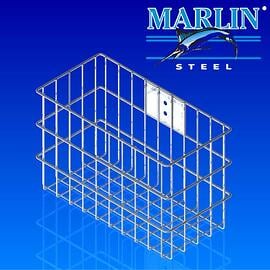 Wire Basket 1065001
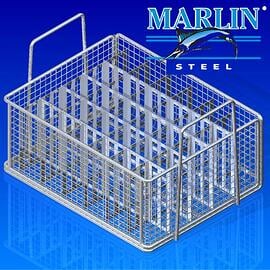 Wire Basket 1073001
Wire Basket 1076001
Wire Basket 23001
Wire Basket 45001
Wire Basket 45002
Wire Basket 1073001
Wire Basket 1076001
Wire Basket 23001
Wire Basket 45001
Wire Basket 45002
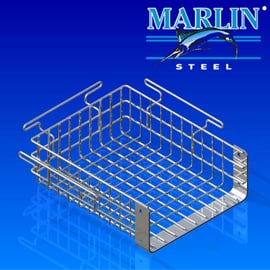 Wire Basket 68001
Wire Basket 68002
Wire Basket 72001
Wire Basket 75001
Wire Basket 75002
Wire Basket 93001
Wire Basket 1004002
Wire Basket 1011001
Wire Basket 1019001
Wire Basket 1081001
Wire Basket 1041002
Wire Basket 1081002
Wire Basket 68001
Wire Basket 68002
Wire Basket 72001
Wire Basket 75001
Wire Basket 75002
Wire Basket 93001
Wire Basket 1004002
Wire Basket 1011001
Wire Basket 1019001
Wire Basket 1081001
Wire Basket 1041002
Wire Basket 1081002
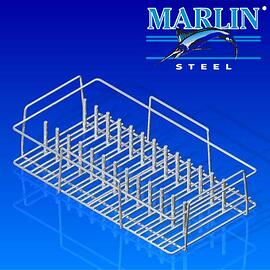 Wire Basket 1094002
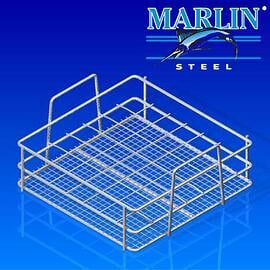 Wire Basket 1106001
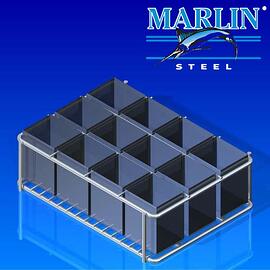 Wire Basket 1143001
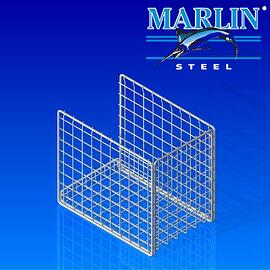 Wire Basket 1026001
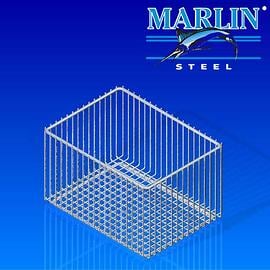 Wire Basket 1108001
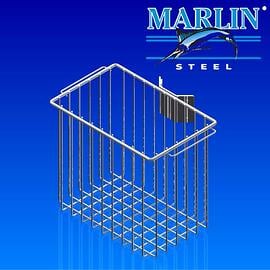 Wire Basket 1120001
Wire Basket 754001
Wire Basket 744001
Wire Basket 735001
Wire Basket 733001
Wire Basket 729001
Wire Basket 728001
727004
Wire Basket 719013
Wire Basket 719012
Wire Basket 719011
Wire Basket 719004
Wire Basket 711001
Wire Basket 702001
Wire Basket 1183020
Wire Basket 1120001
Wire Basket 754001
Wire Basket 744001
Wire Basket 735001
Wire Basket 733001
Wire Basket 729001
Wire Basket 728001
727004
Wire Basket 719013
Wire Basket 719012
Wire Basket 719011
Wire Basket 719004
Wire Basket 711001
Wire Basket 702001
Wire Basket 1183020
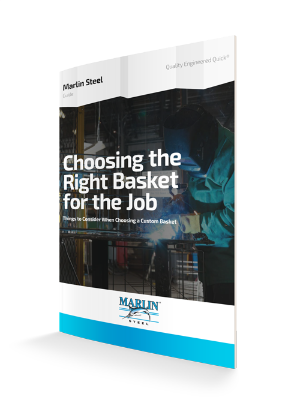
No matter what your need may be, you need the right basket for the job. Learn about what to consider before purchasing custom material handling or parts washing baskets.



.jpg?width=270&height=270&name=00917001%20(1).jpg)
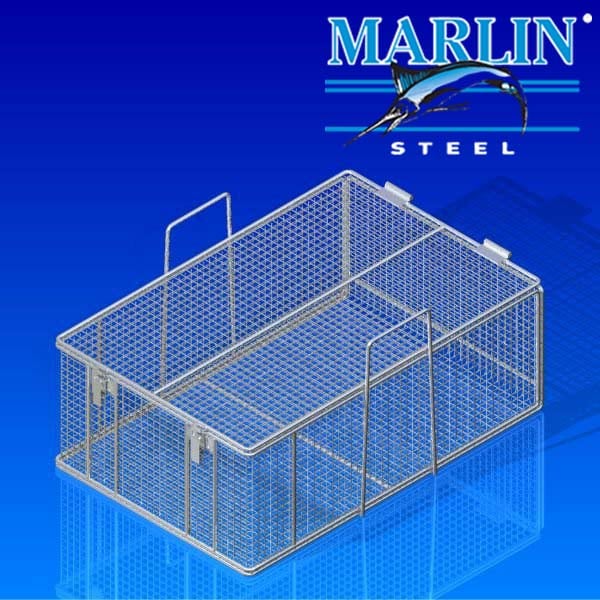
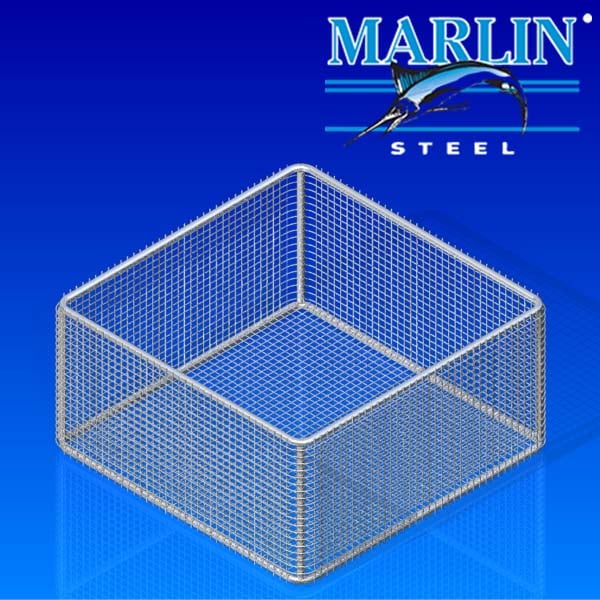
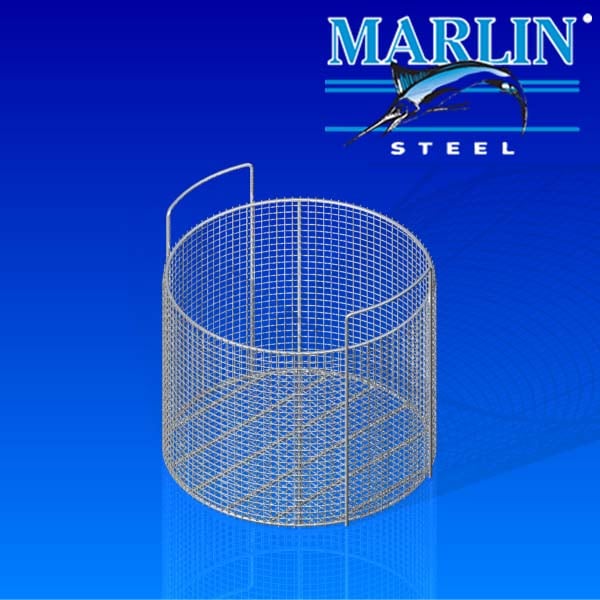
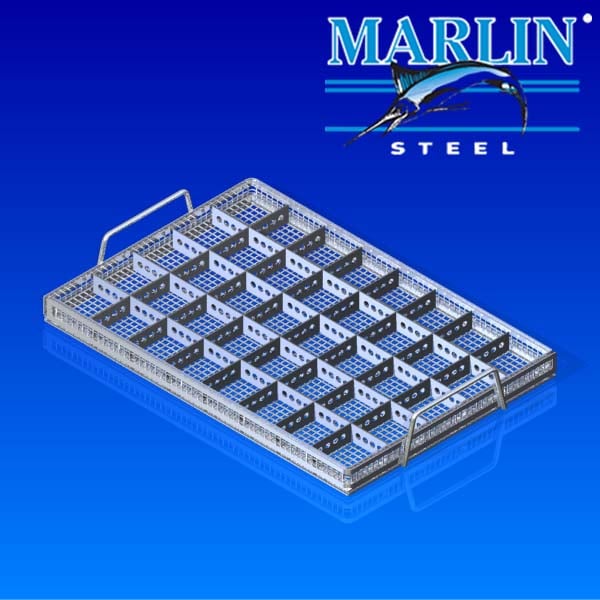
.jpg?width=270&height=270&name=01027001%20(1).jpg)
.png?width=269&height=268&name=Screenshot_7-1%20(1).png)
.jpg?width=270&height=270&name=STACKING%20(1).jpg)
.jpg?width=270&height=270&name=01076001%20(1).jpg)
.jpg?width=270&height=270&name=00788001%20(1).jpg)
.jpg?width=270&height=270&name=00733001%20(1).jpg)
.jpg?width=270&height=270&name=01073001%20(1).jpg)

.jpg?width=270&height=270&name=00814002%20(1).jpg)
.jpg?width=270&height=270&name=00842001%20(3).jpg)
.jpg?width=270&height=270&name=01061001%20(1).jpg)
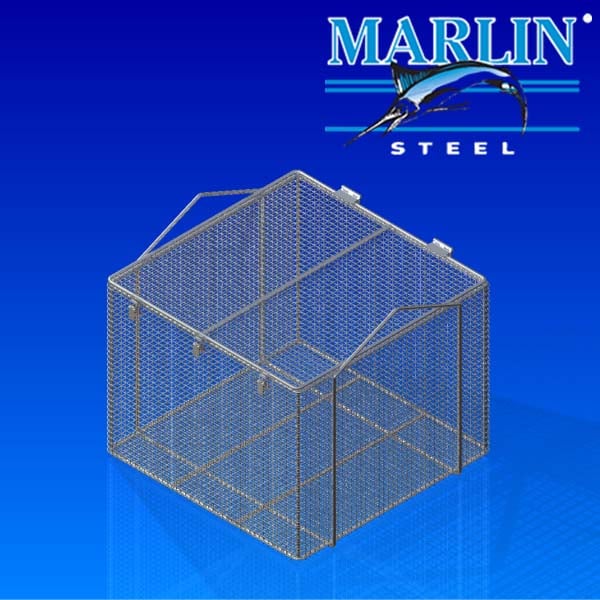
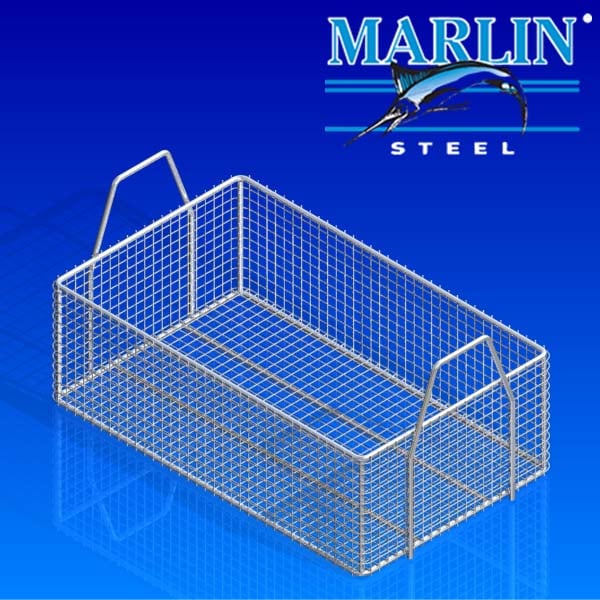
.jpg?width=270&height=270&name=00960008%20(1).jpg)
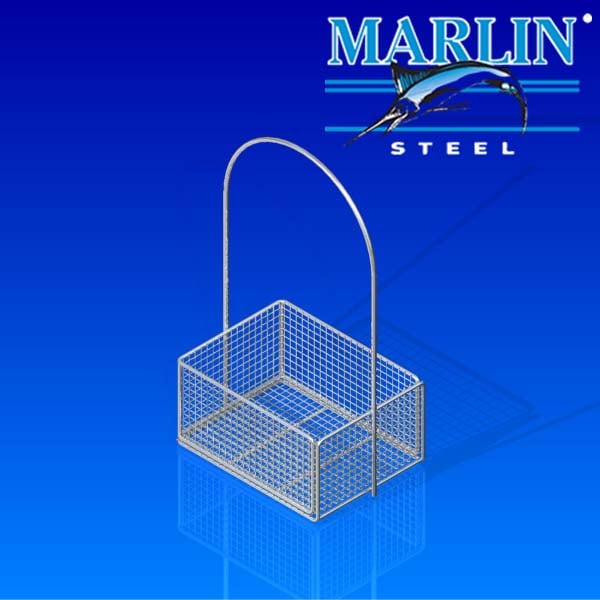
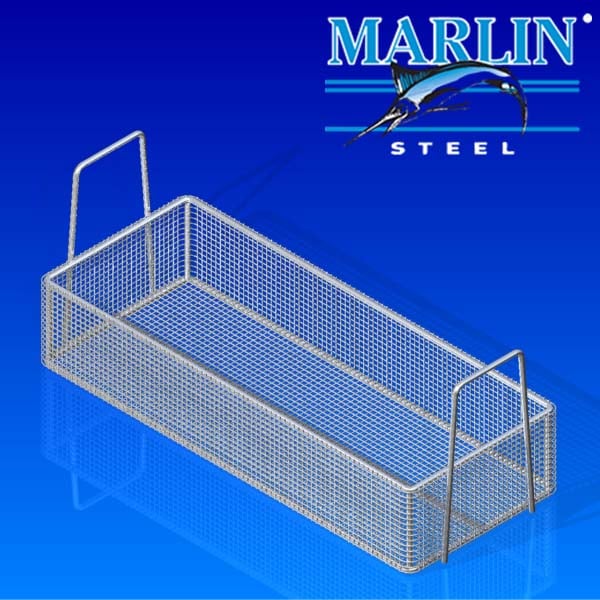
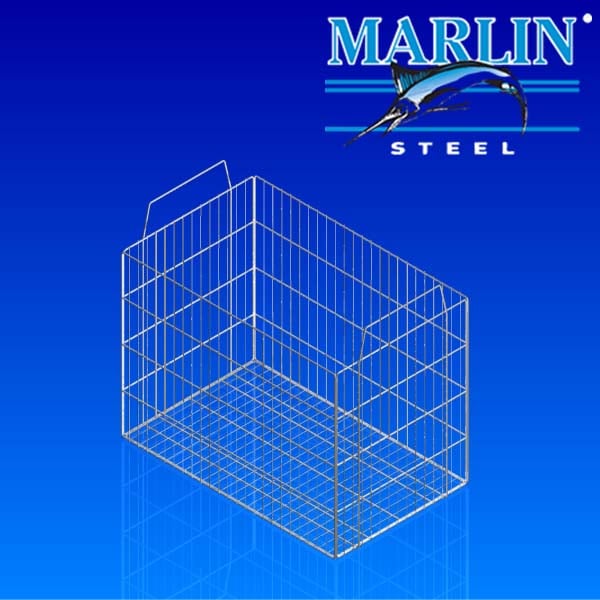
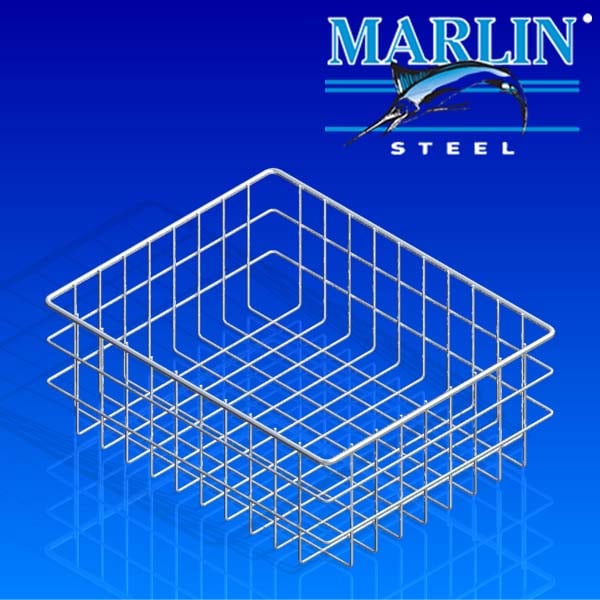
.jpg?width=270&height=270&name=00886001%20(1).jpg)
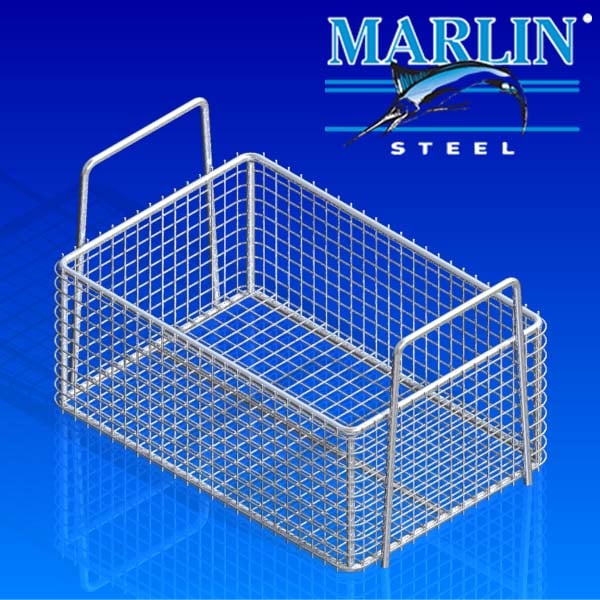
.jpg?width=270&height=270&name=00999001%20(1).jpg)
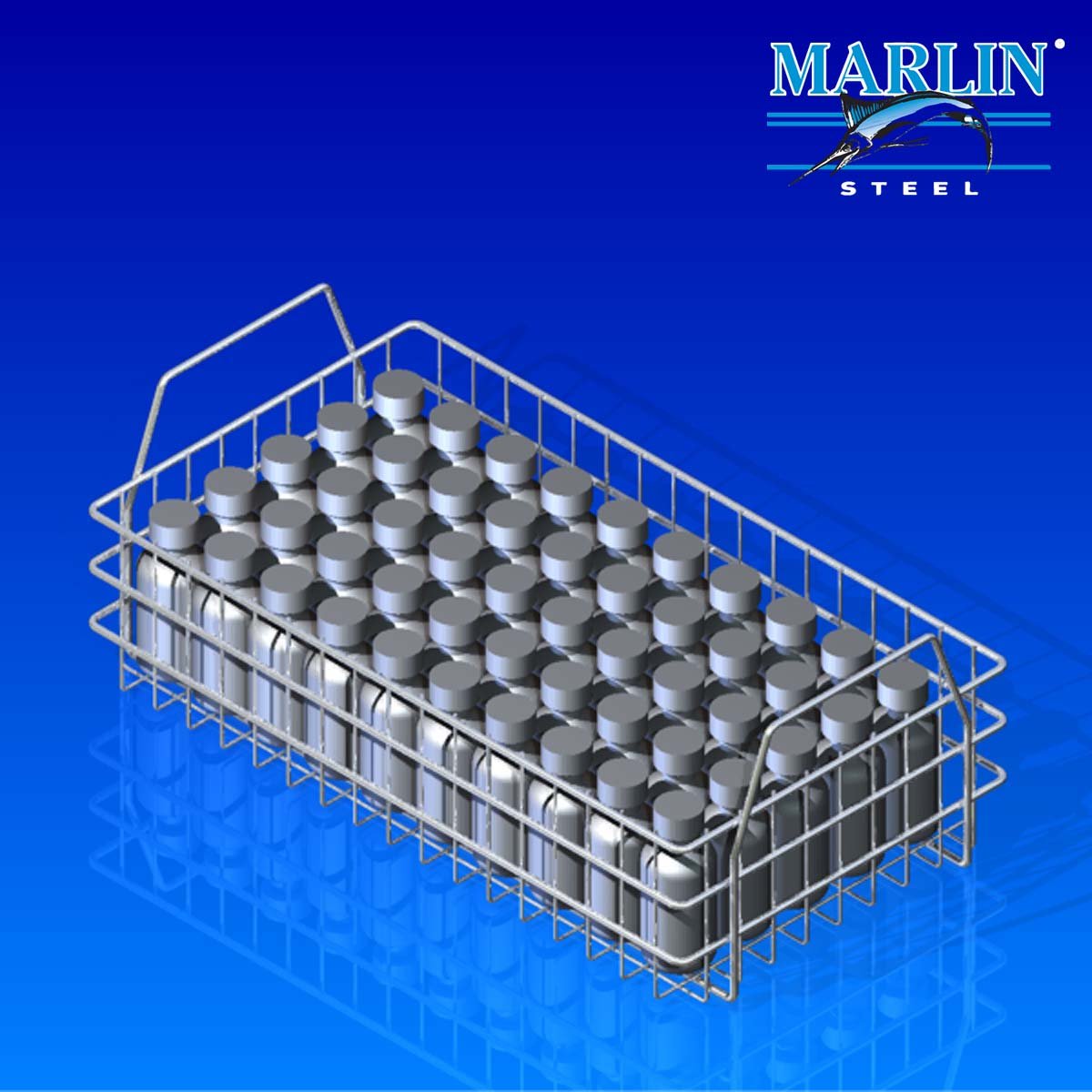
.jpg?width=270&height=270&name=00980001%20(1).jpg)
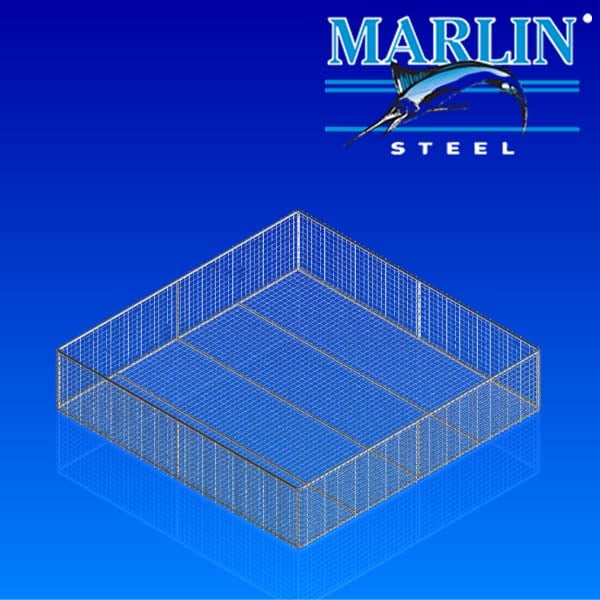
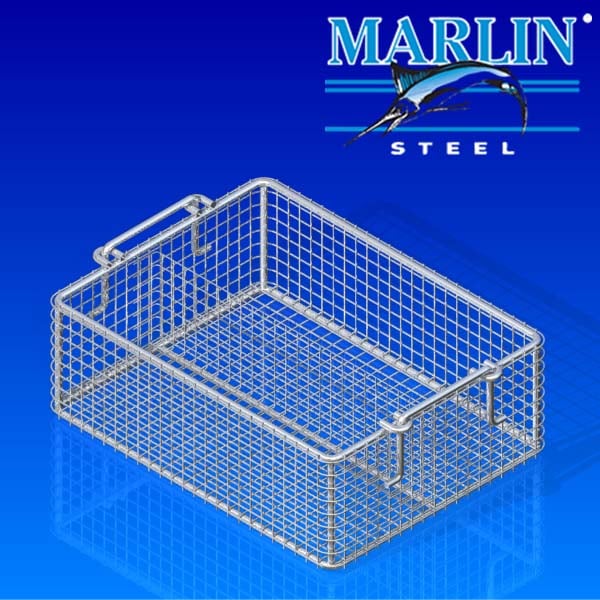
.jpg?width=270&height=270&name=00756001%20(1).jpg)

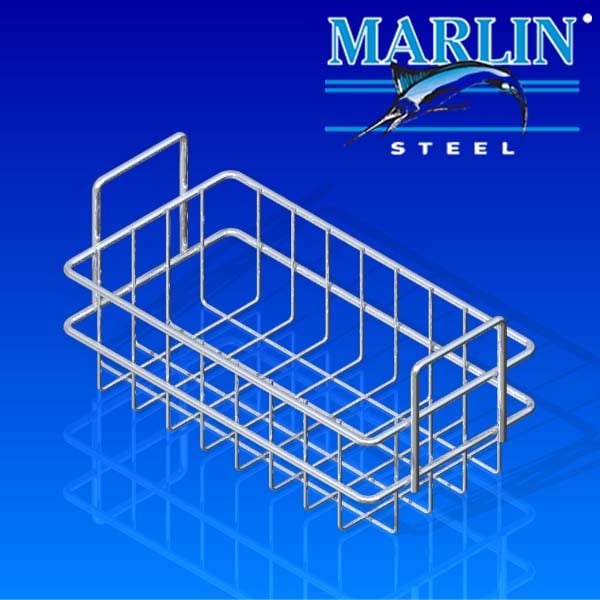
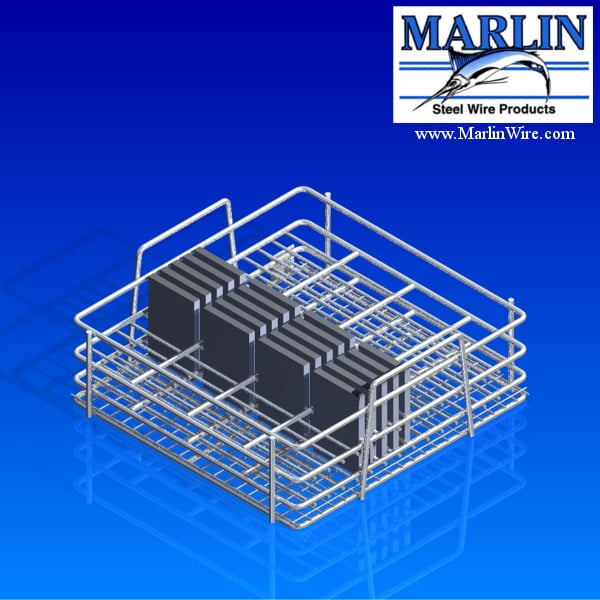
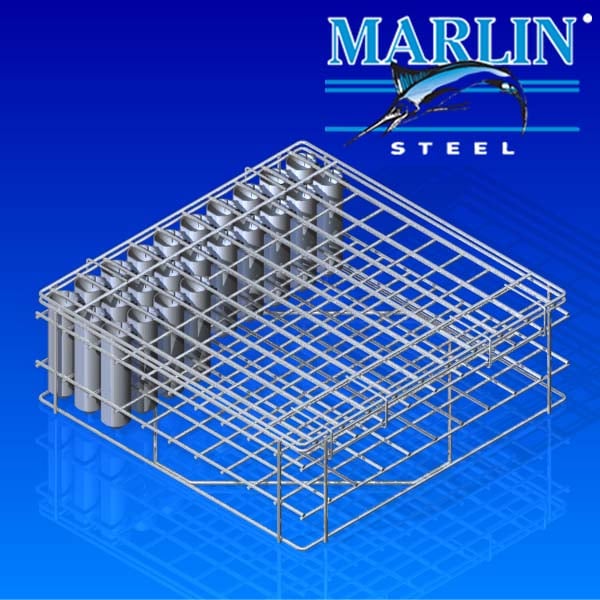
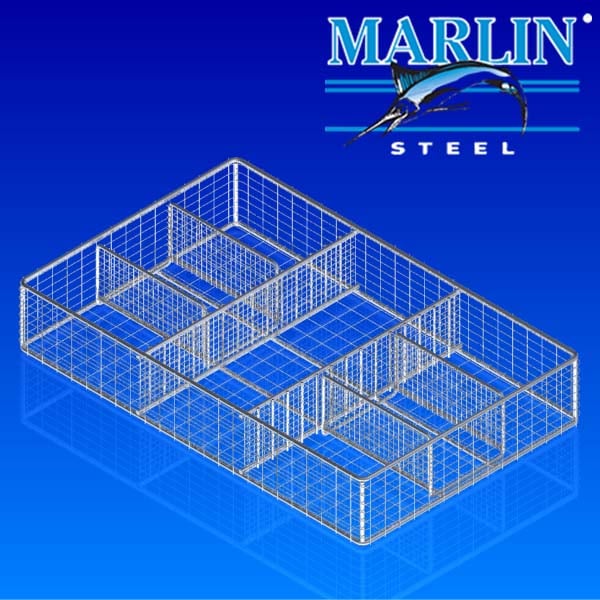
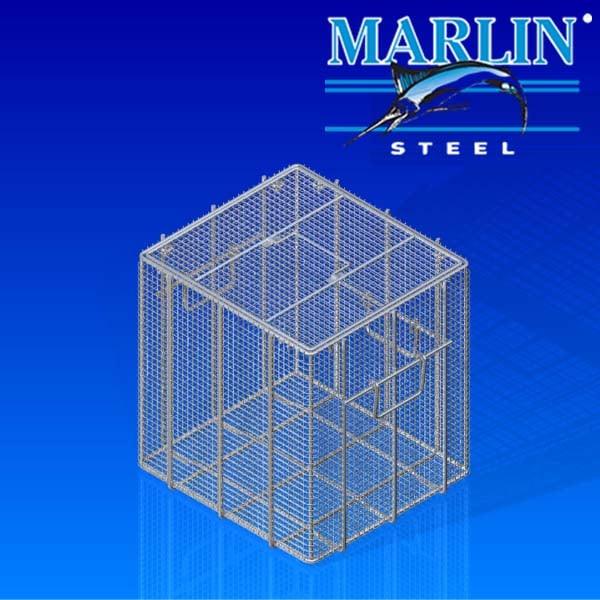
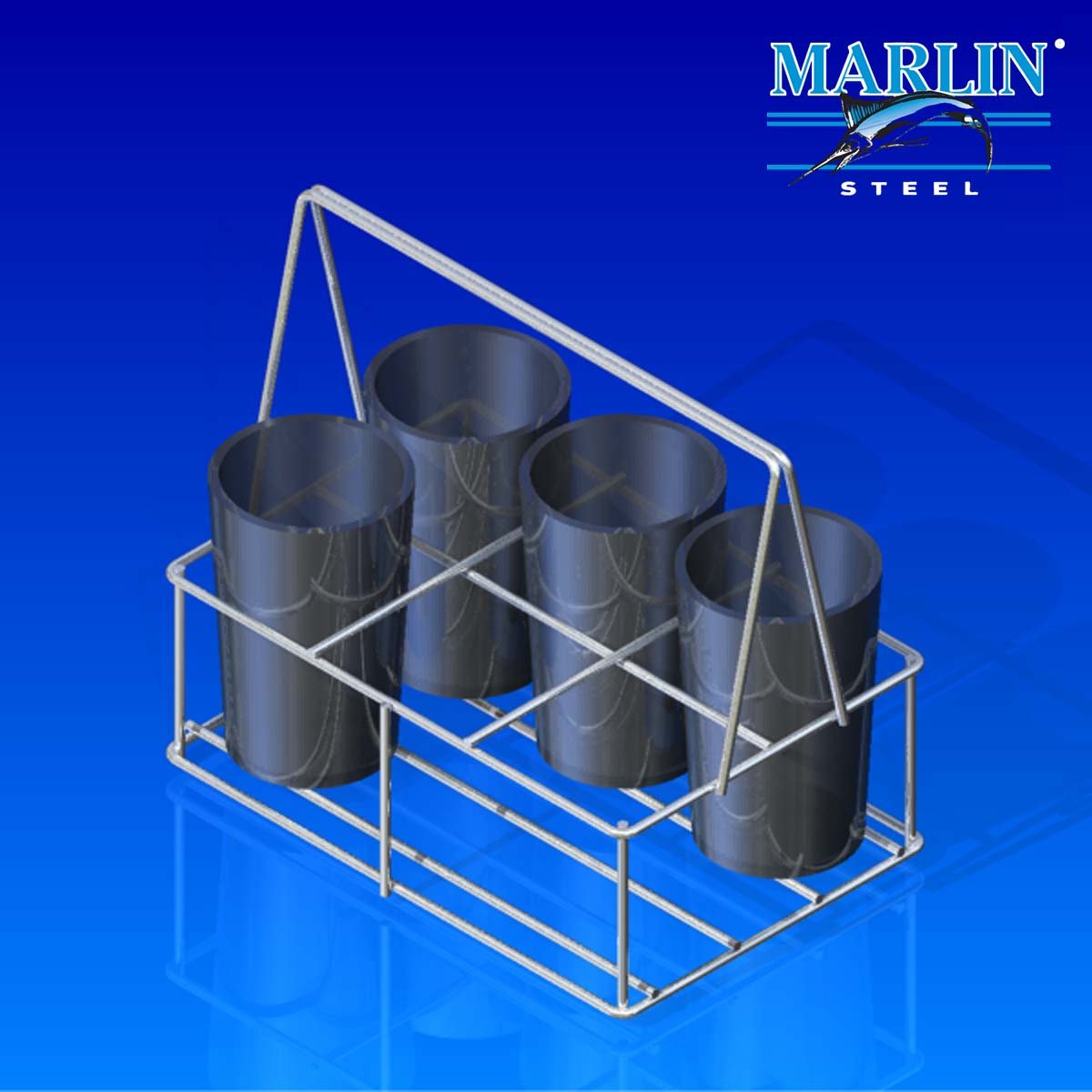
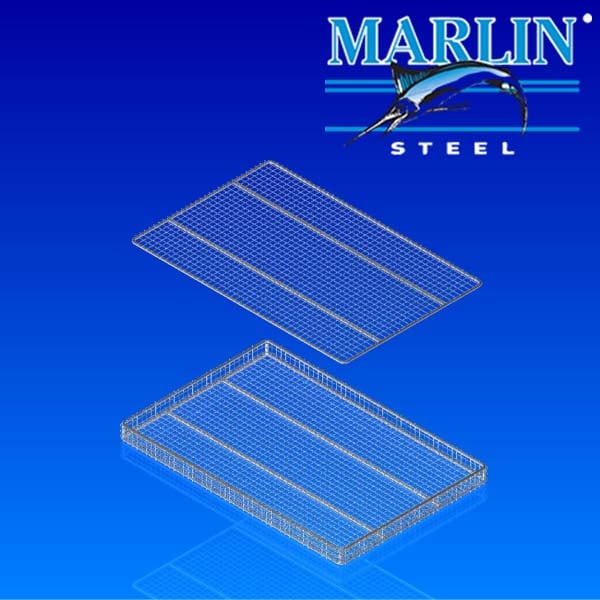
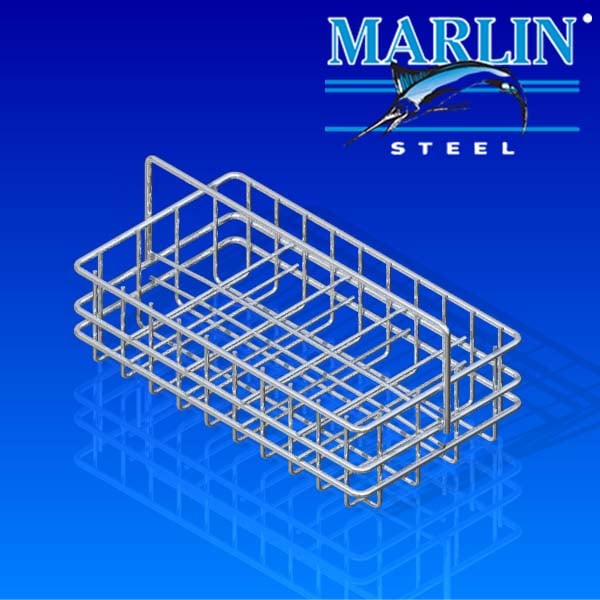
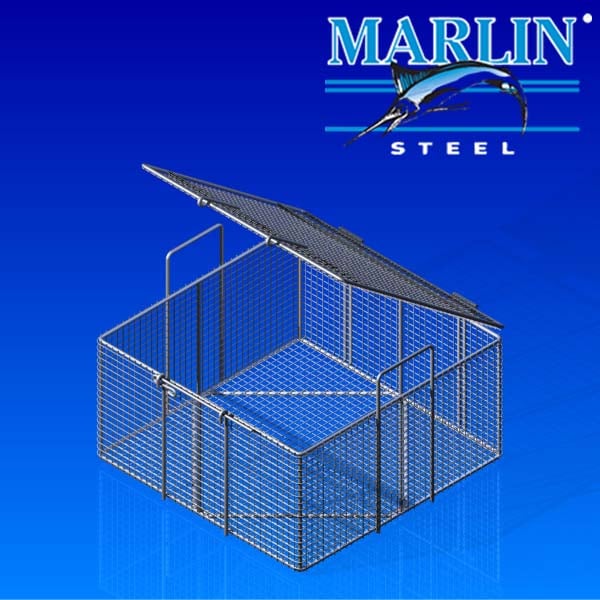
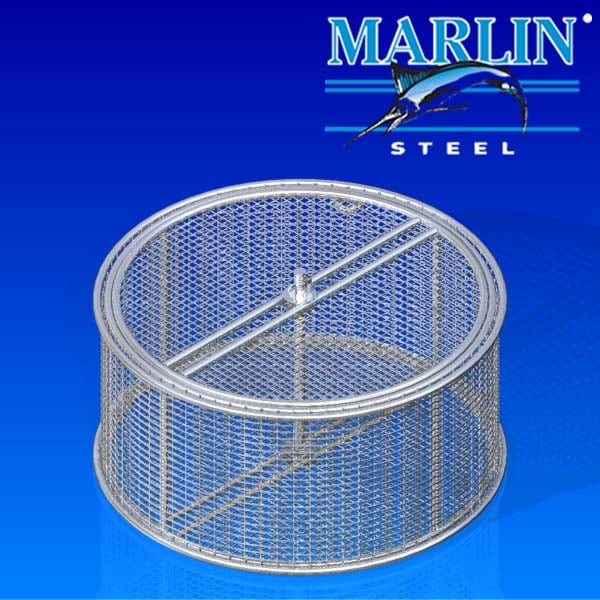
.jpg?width=270&height=270&name=00962001%20(1).jpg)

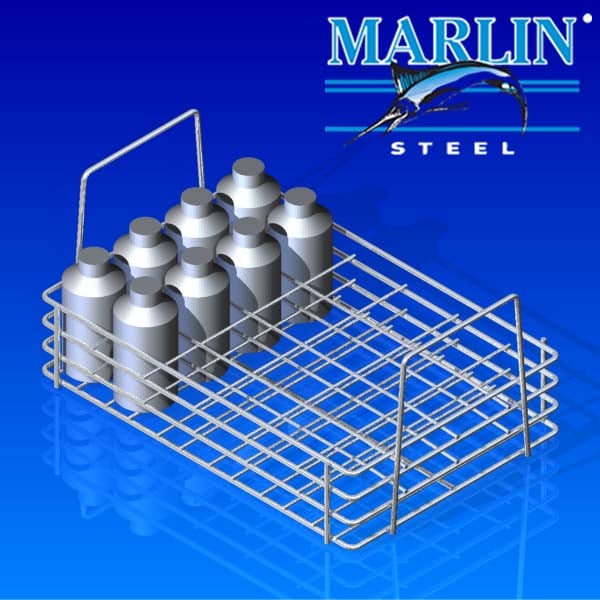
.jpg?width=270&height=270&name=00876004%20(1).jpg)
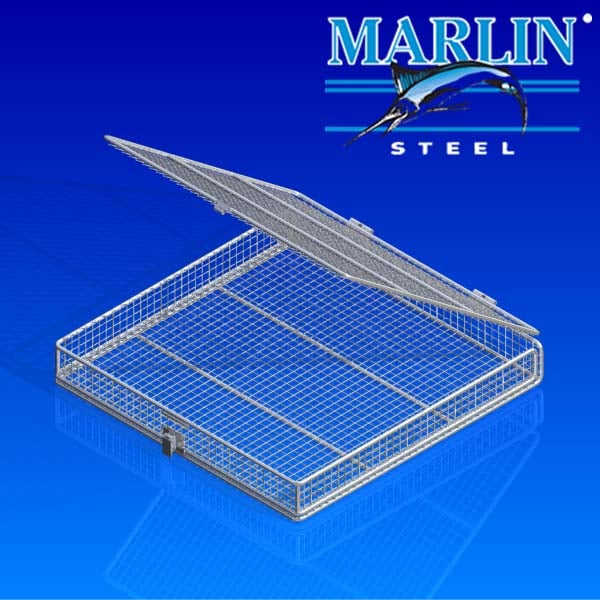
.jpg?width=270&height=270&name=00719004%20(1).jpg)
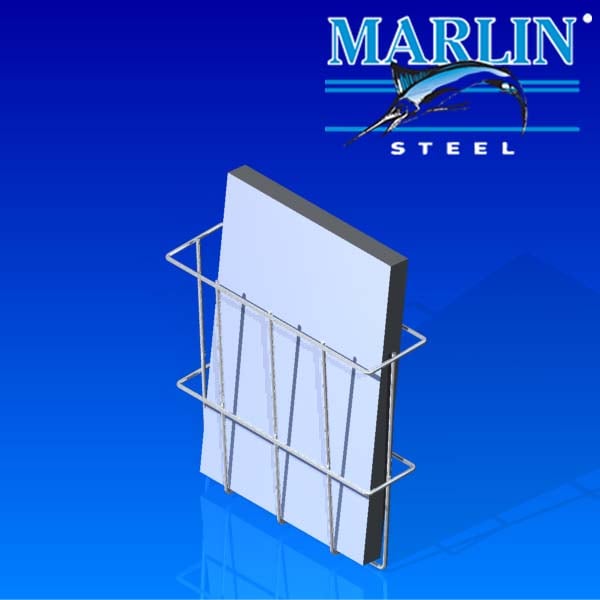
-1.jpg?width=270&height=270&name=00960010%20(1)-1.jpg)
.jpg?width=270&height=270&name=00884001%20(1).jpg)
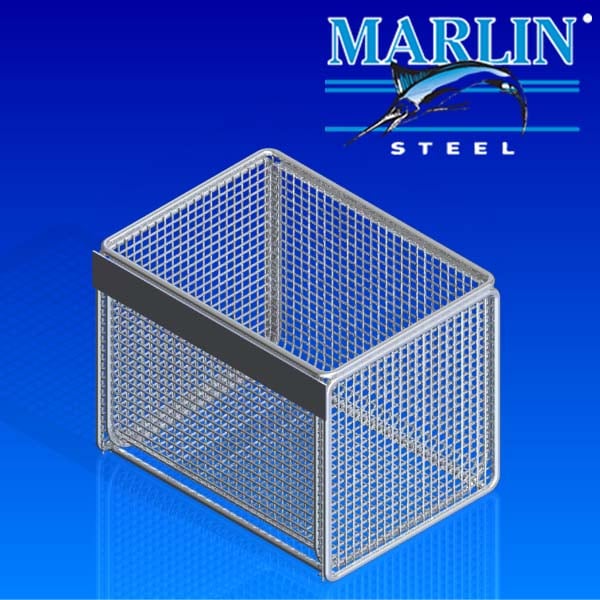
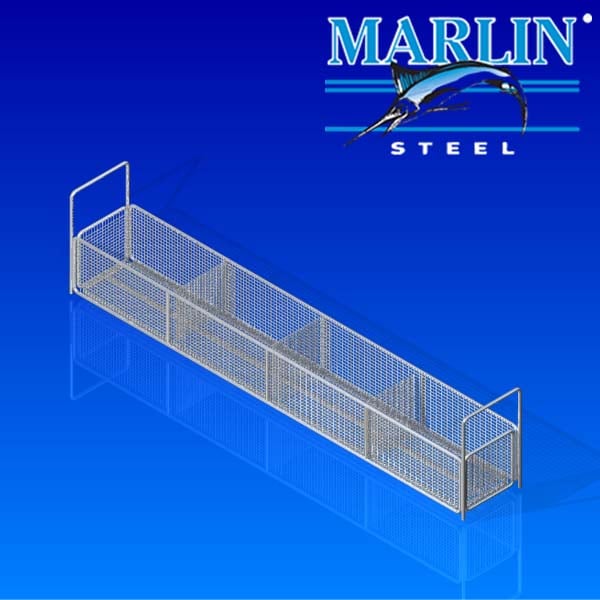
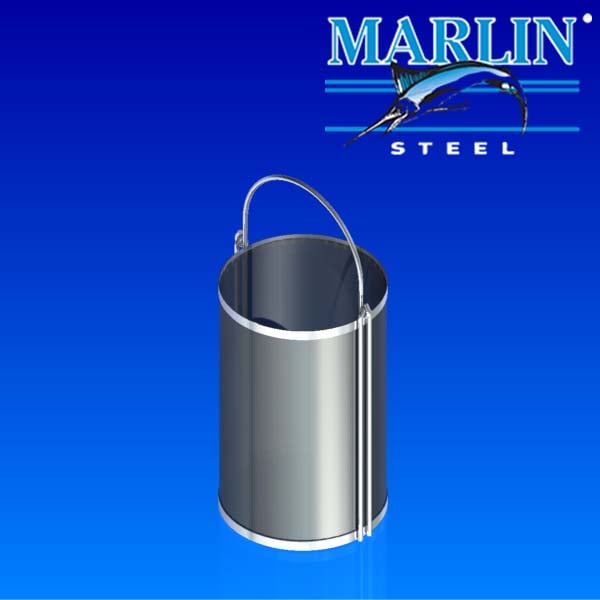
.jpg?width=270&height=270&name=00875001%20(1).jpg)
.jpg?width=270&height=270&name=01019001%20(1).jpg)
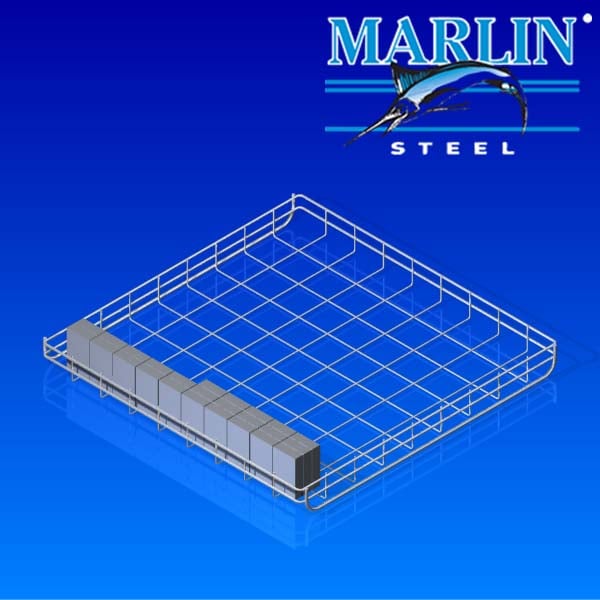
.jpg?width=270&height=270&name=00851001%20(1).jpg)
.jpg?width=270&height=270&name=961002%20(1).jpg)
.jpg?width=270&height=270&name=1106001%20(1).jpg)
.jpg?width=270&height=270&name=00960007%20(1).jpg)
-1.jpg?width=270&height=270&name=00702001%20(1)-1.jpg)
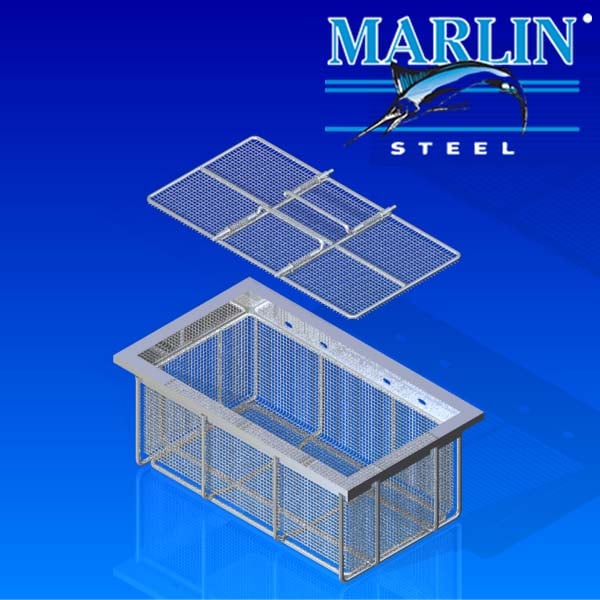
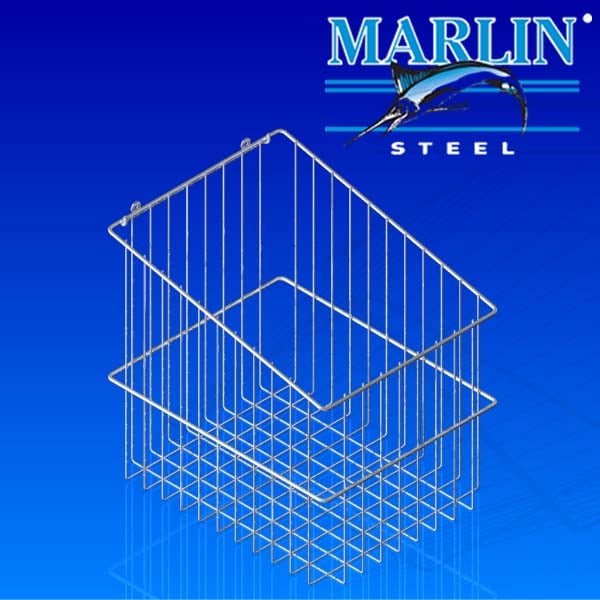

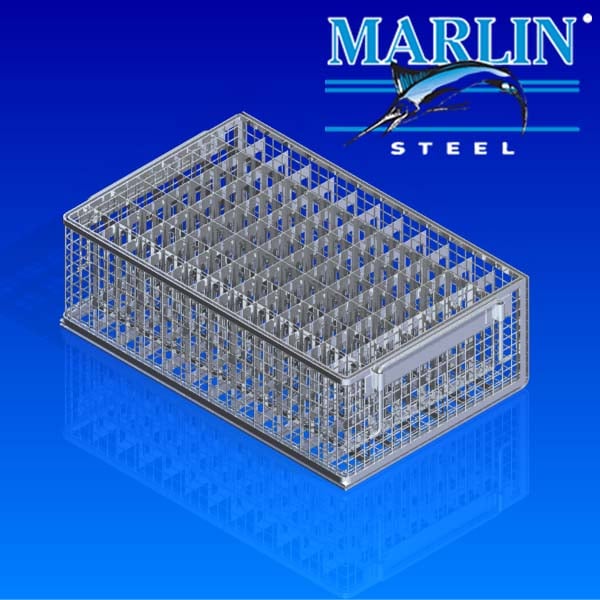
.jpg?width=270&height=270&name=01004002%20(1).jpg)
.jpg?width=270&height=270&name=00780001%20(1).jpg)
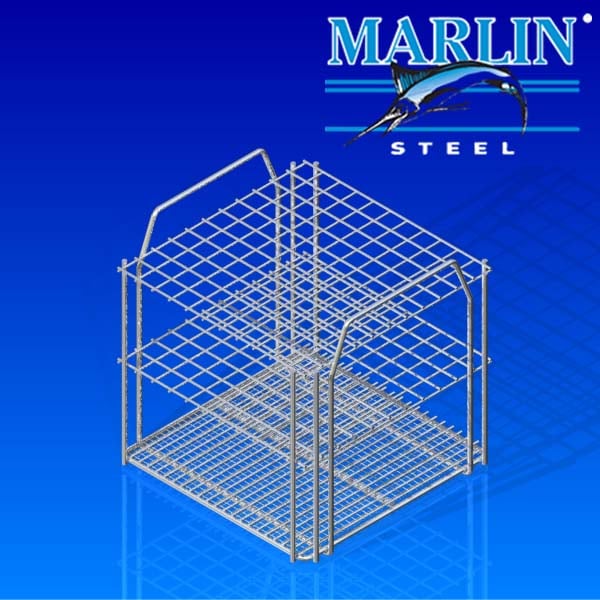
.jpg?width=270&height=270&name=01010002%20(1).jpg)
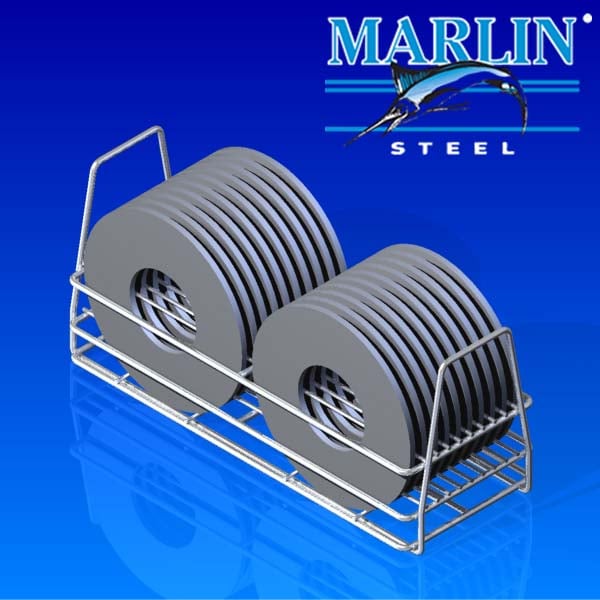
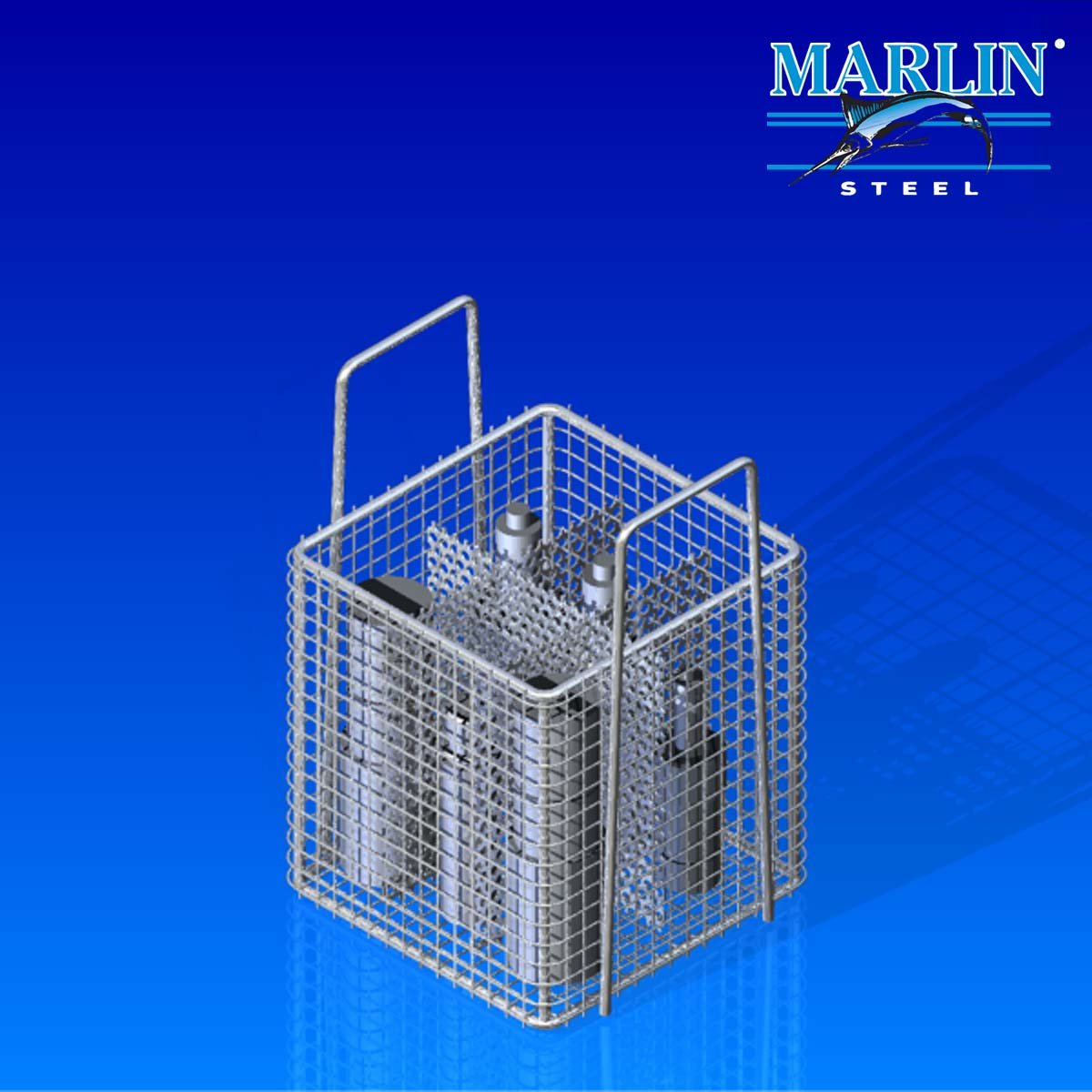
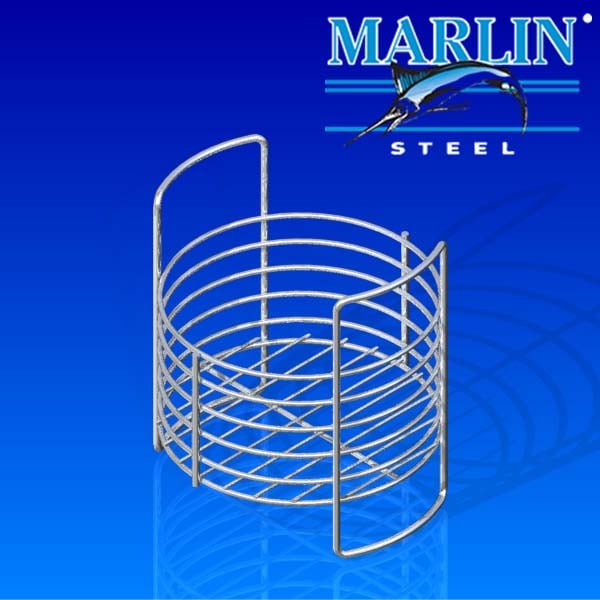
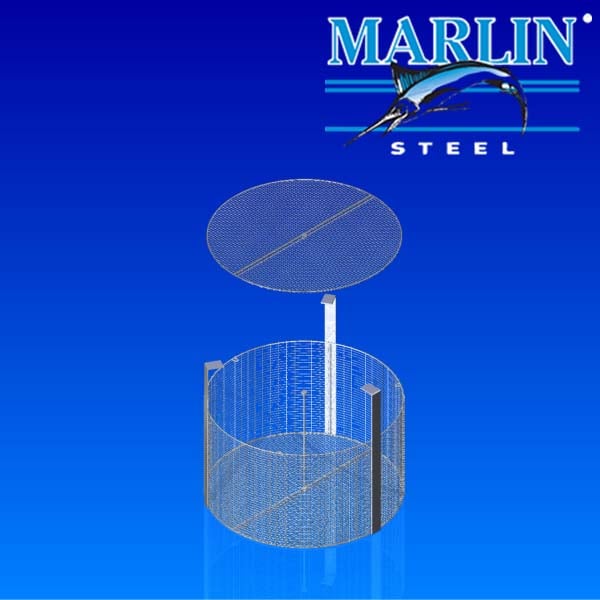

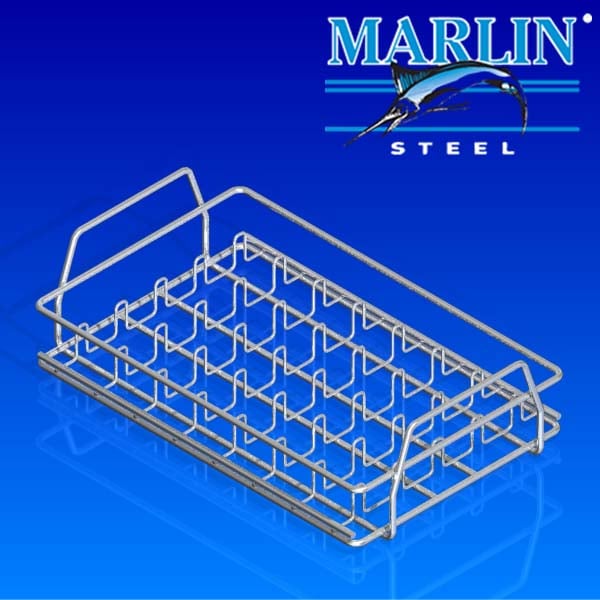
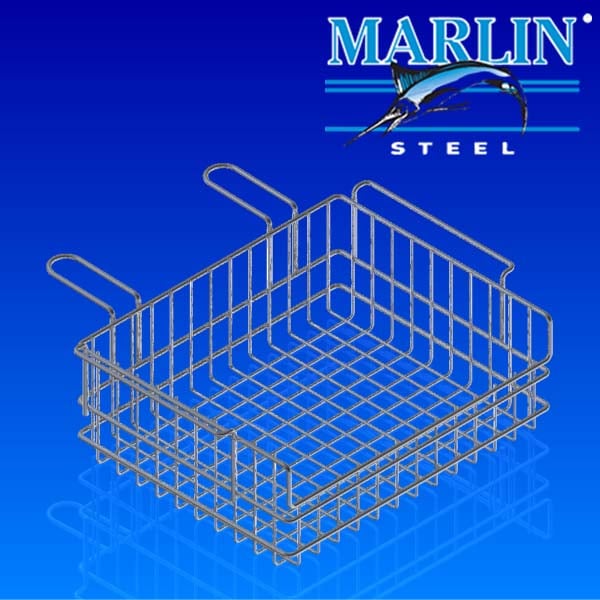
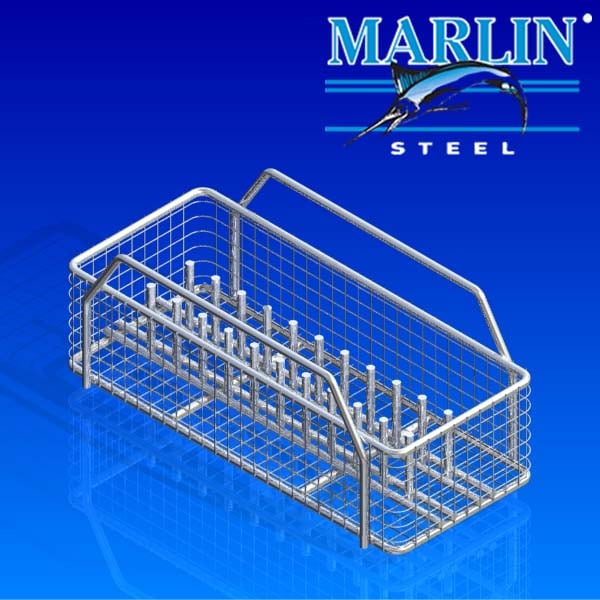
.jpg?width=270&height=270&name=01010001%20(1).jpg)
.jpg?width=270&height=270&name=1011001%20(1).jpg)
.jpg?width=270&height=270&name=001045001%20(1).jpg)

-1.jpg?width=270&height=270&name=1290004%20(1)-1.jpg)
.jpg?width=270&height=270&name=00003003-2%20(1).jpg)
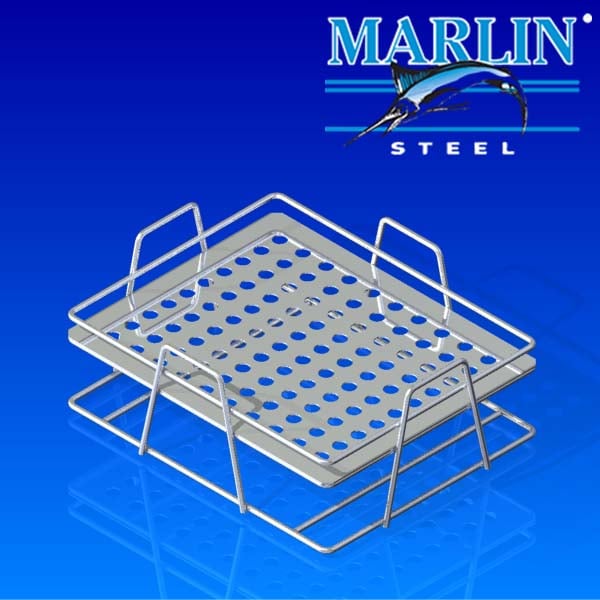
.jpg?width=270&height=270&name=00729001%20(1).jpg)

-1.jpg?width=270&height=270&name=00929001%20(1)-1.jpg)
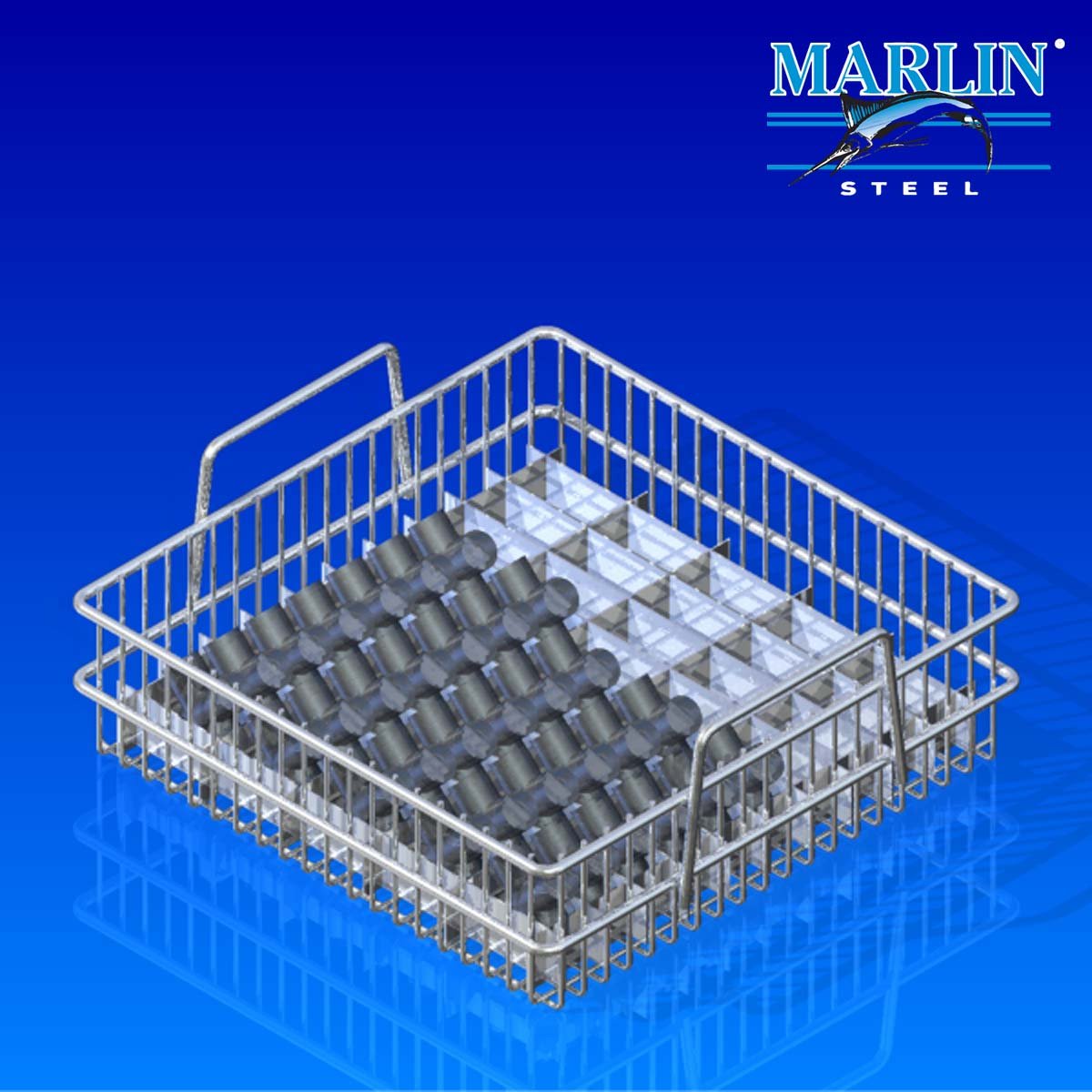
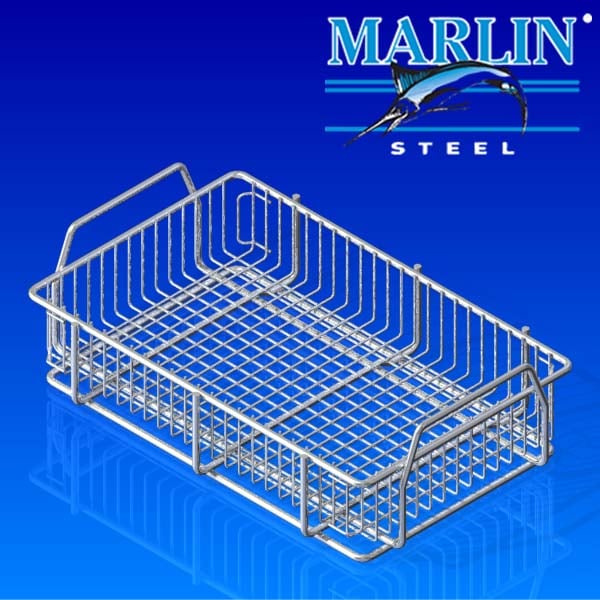

.jpg?width=270&height=270&name=00810001%20(1).jpg)
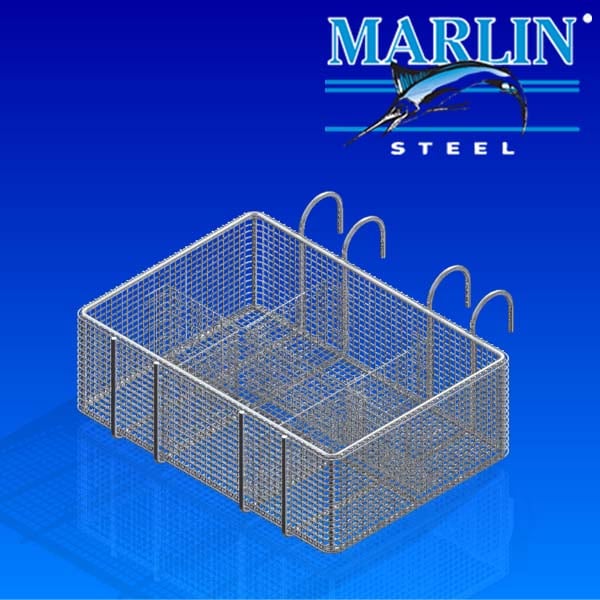
.jpg?width=270&height=270&name=00974002%20(1).jpg)
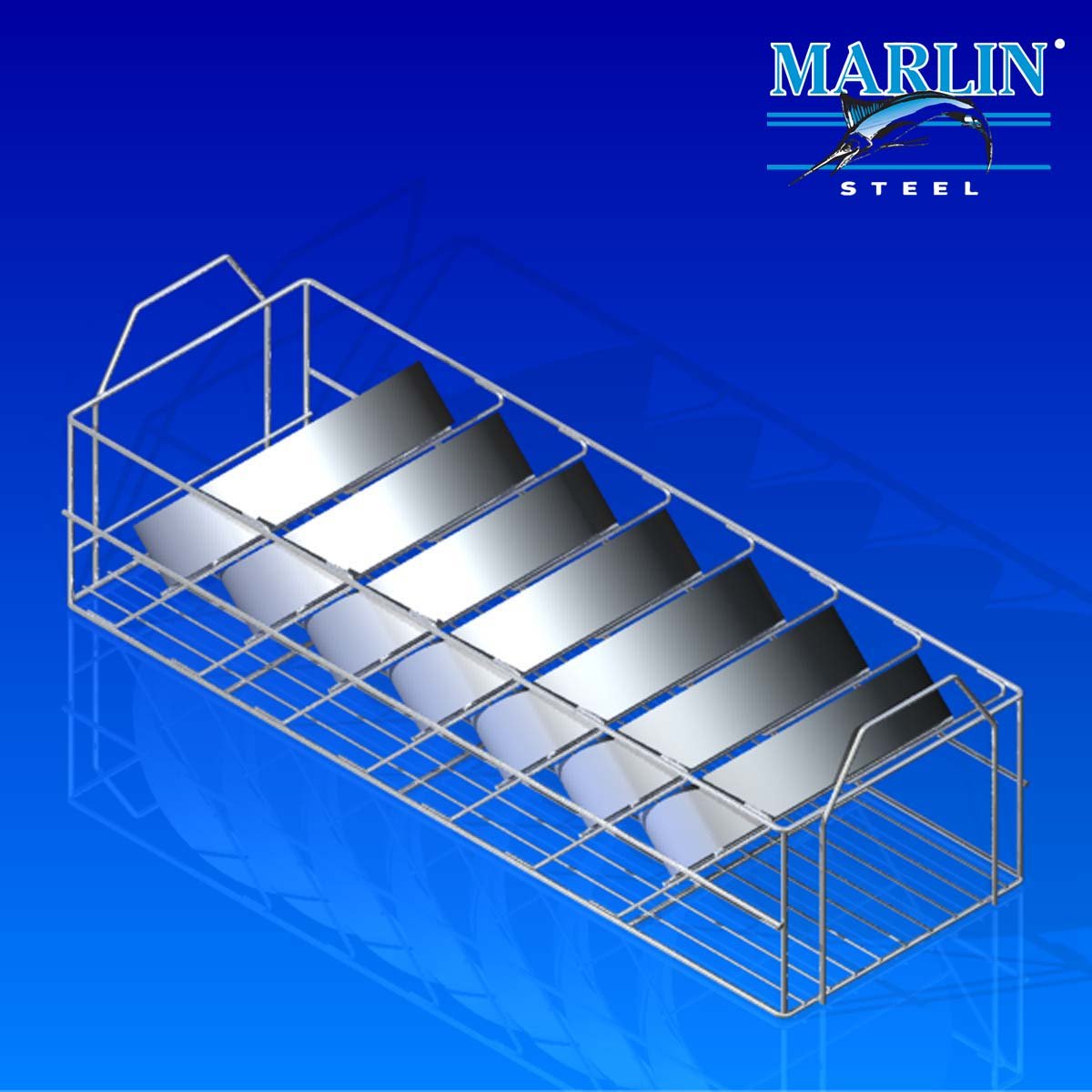
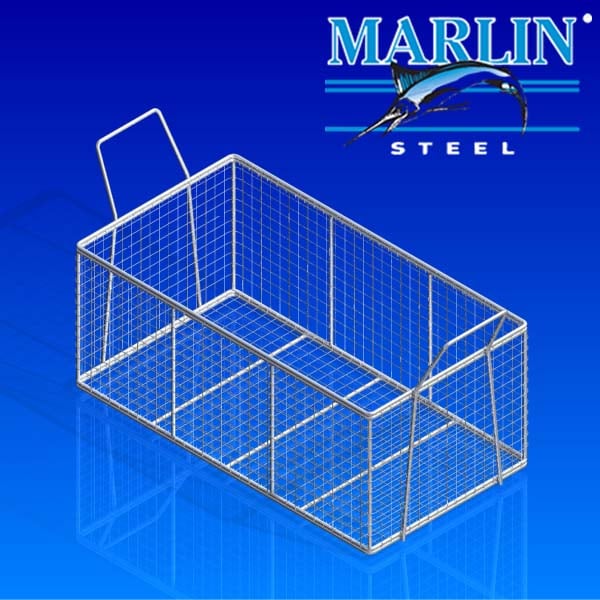
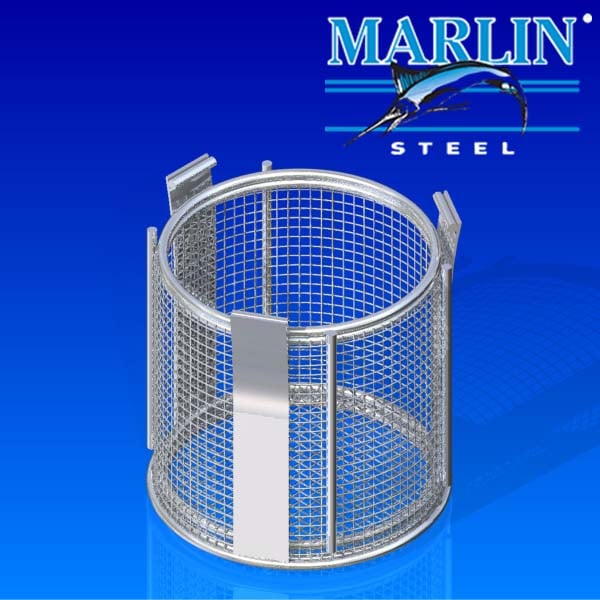

.jpg?width=270&height=270&name=1081001%20(1).jpg)
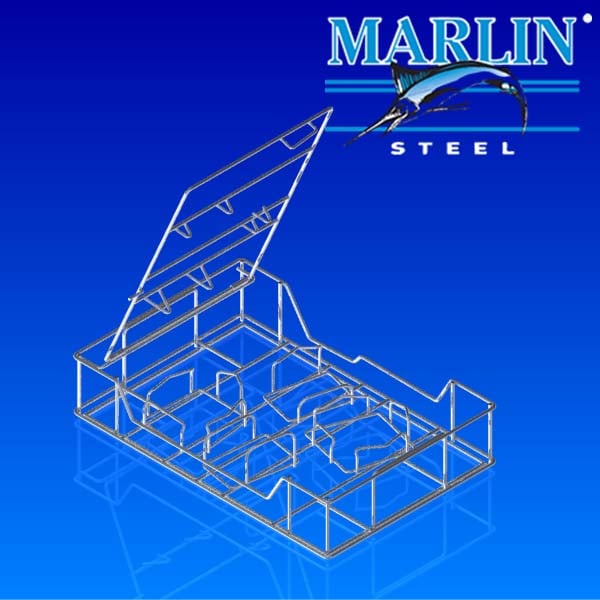
.jpg?width=270&height=270&name=00754001%20(1).jpg)
.jpg?width=270&height=270&name=01051001%20(1).jpg)
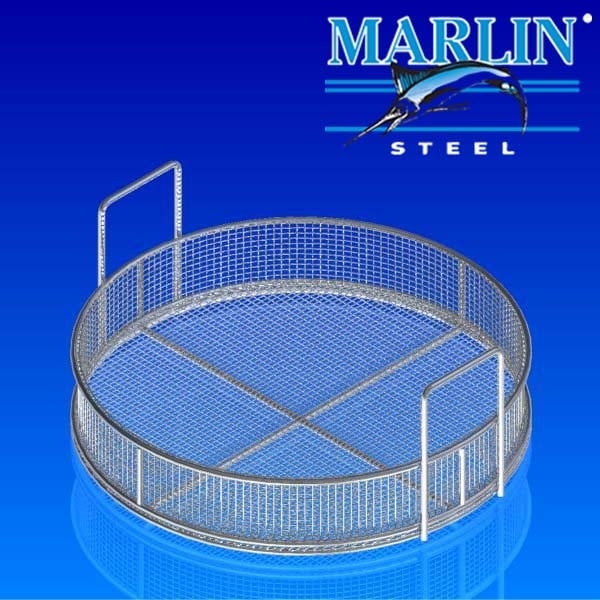
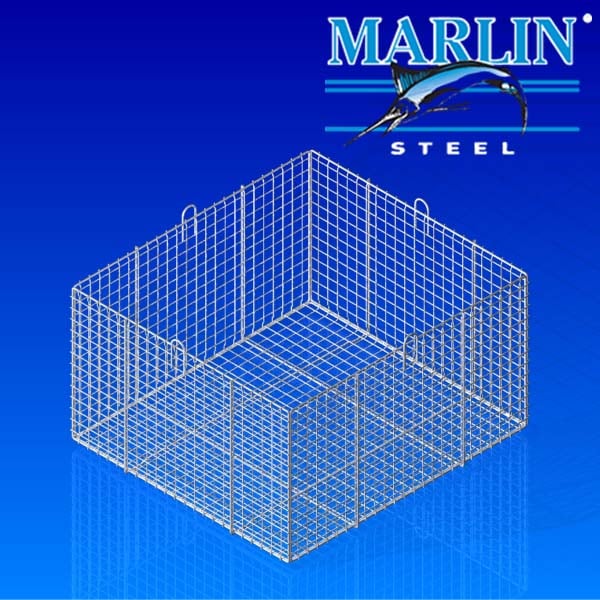
.jpg?width=270&height=270&name=00980002%20(1).jpg)
.jpg?width=270&height=270&name=01043001%20(1).jpg)
.jpg?width=270&height=270&name=00839001%20(1).jpg)
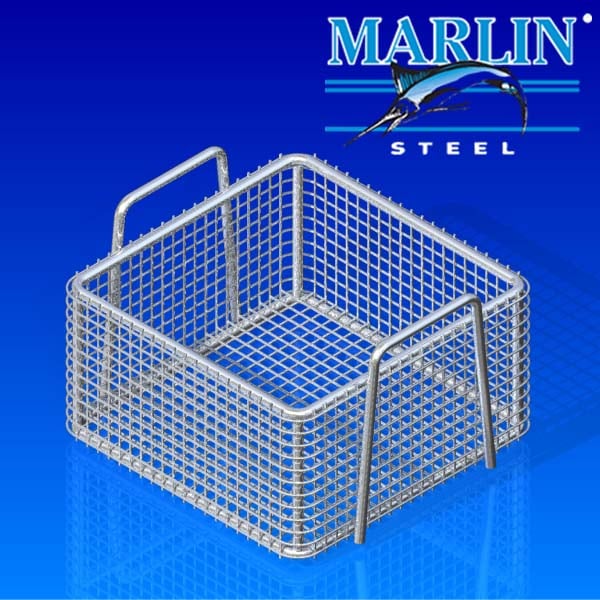
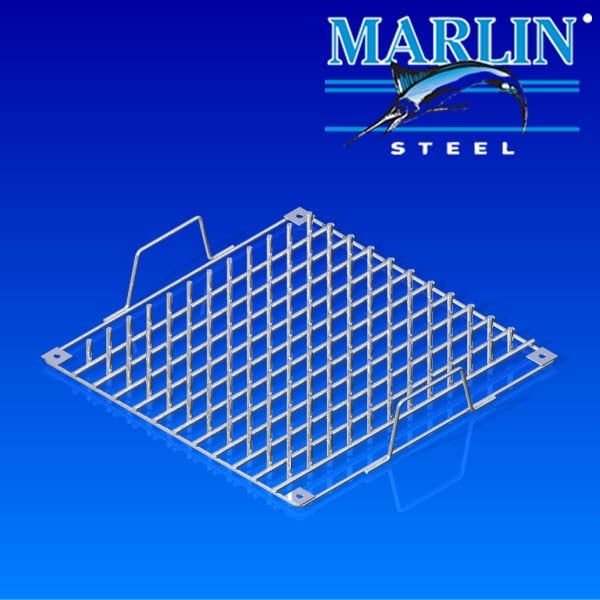
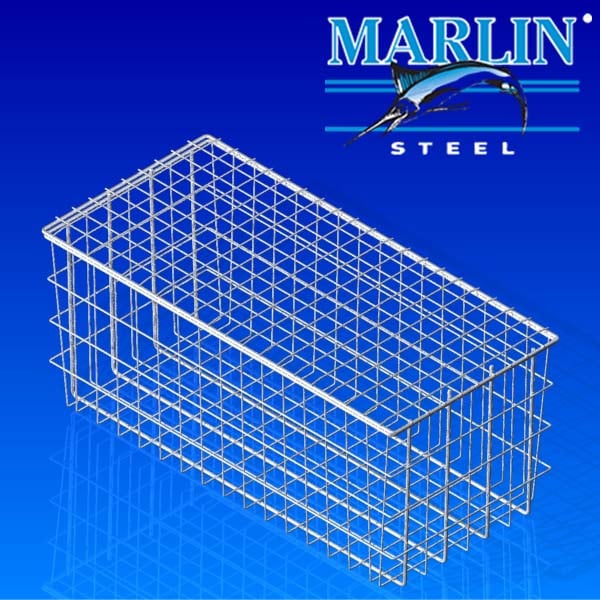
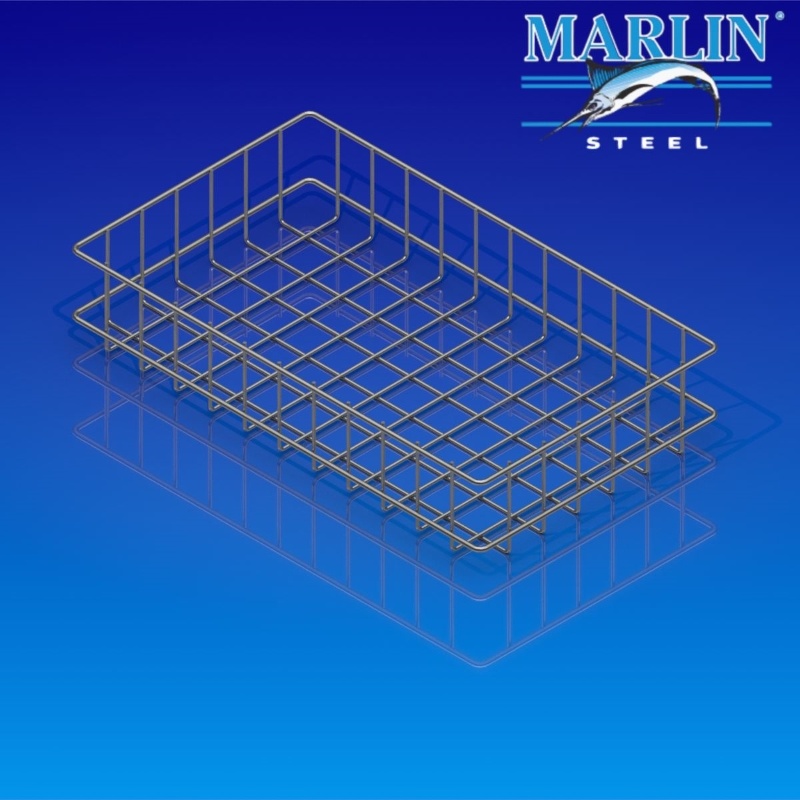
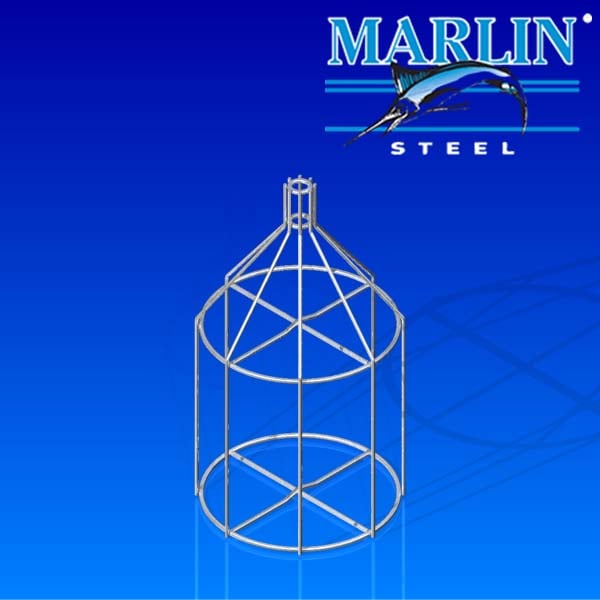
.jpg?width=270&height=270&name=00962003%20(1).jpg)
.jpg?width=270&height=270&name=00768001%20(1).jpg)
.jpg?width=270&height=270&name=1120001%20(1).jpg)
.jpg?width=270&height=270&name=00711001%20(1).jpg)
.jpg?width=270&height=270&name=00719013%20(1).jpg)
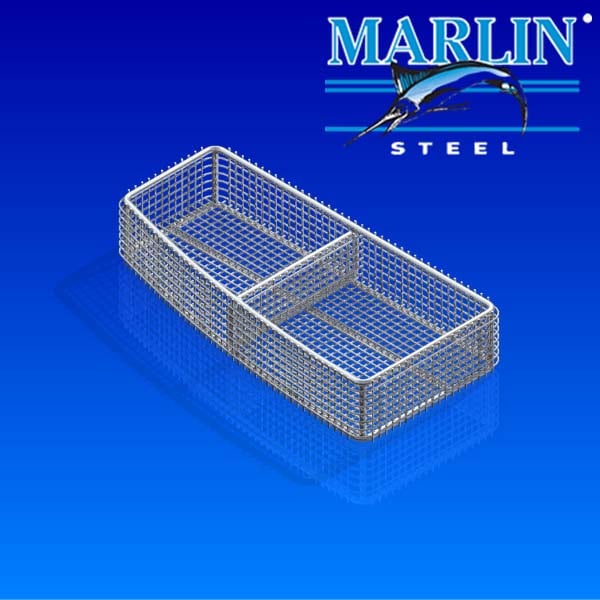
.jpg?width=270&height=270&name=1026001%20(1).jpg)
.jpg?width=270&height=270&name=1143001%20(1).jpg)
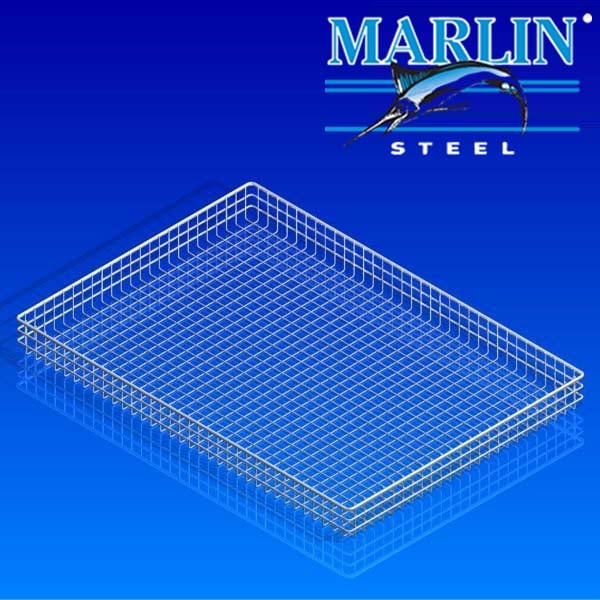
.jpg?width=270&height=270&name=1041002%20(1).jpg)
.jpg?width=270&height=270&name=00068001-1%20(1).jpg)
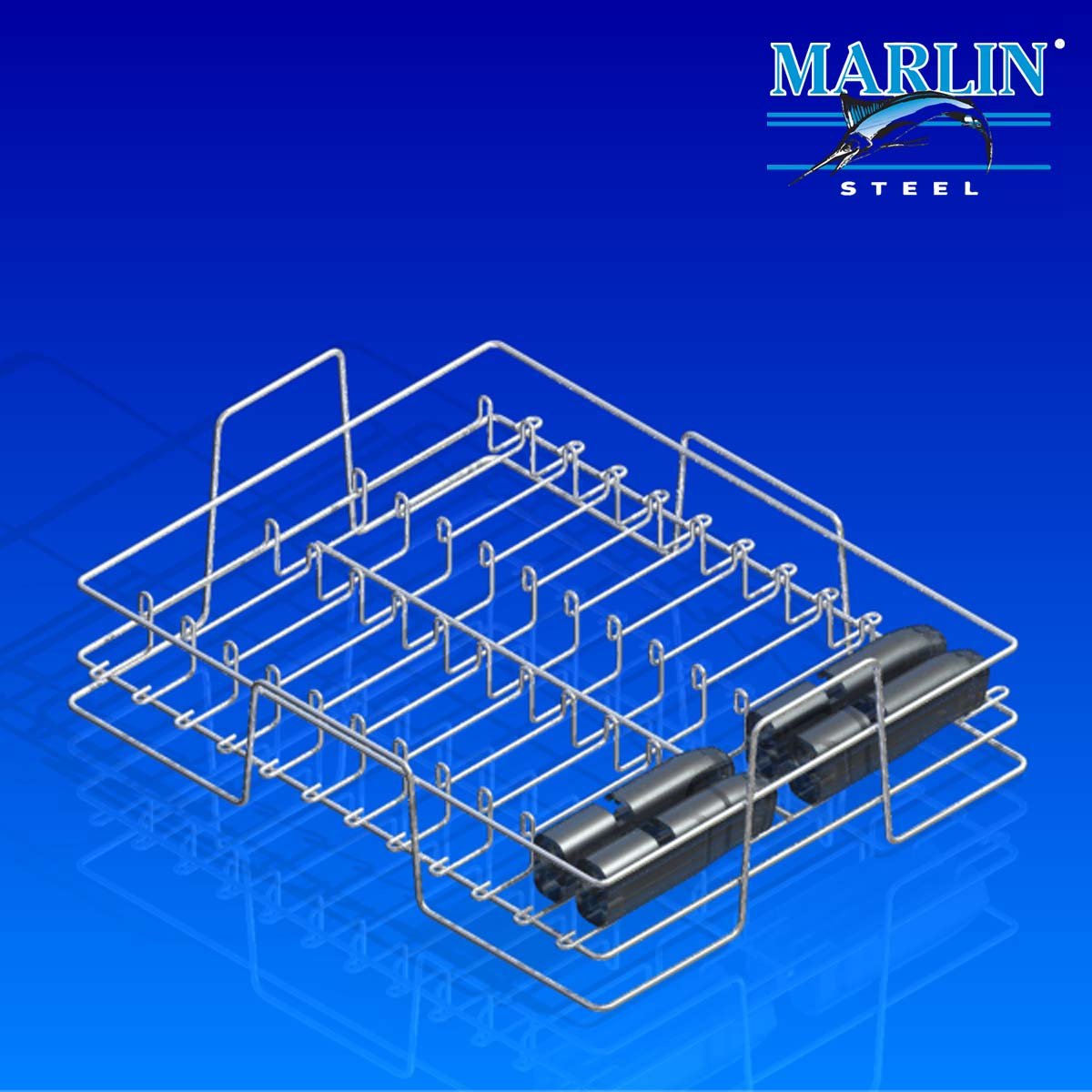
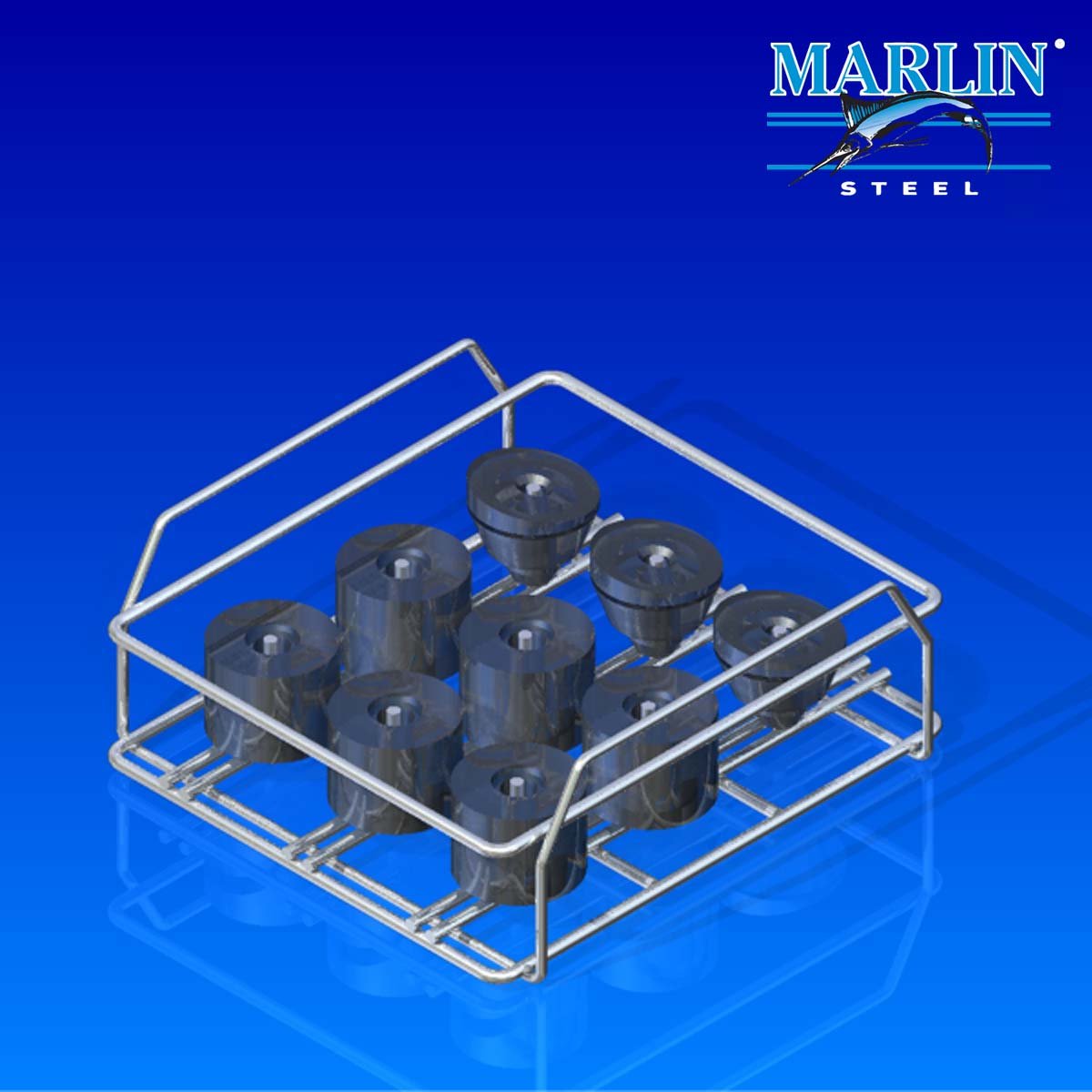

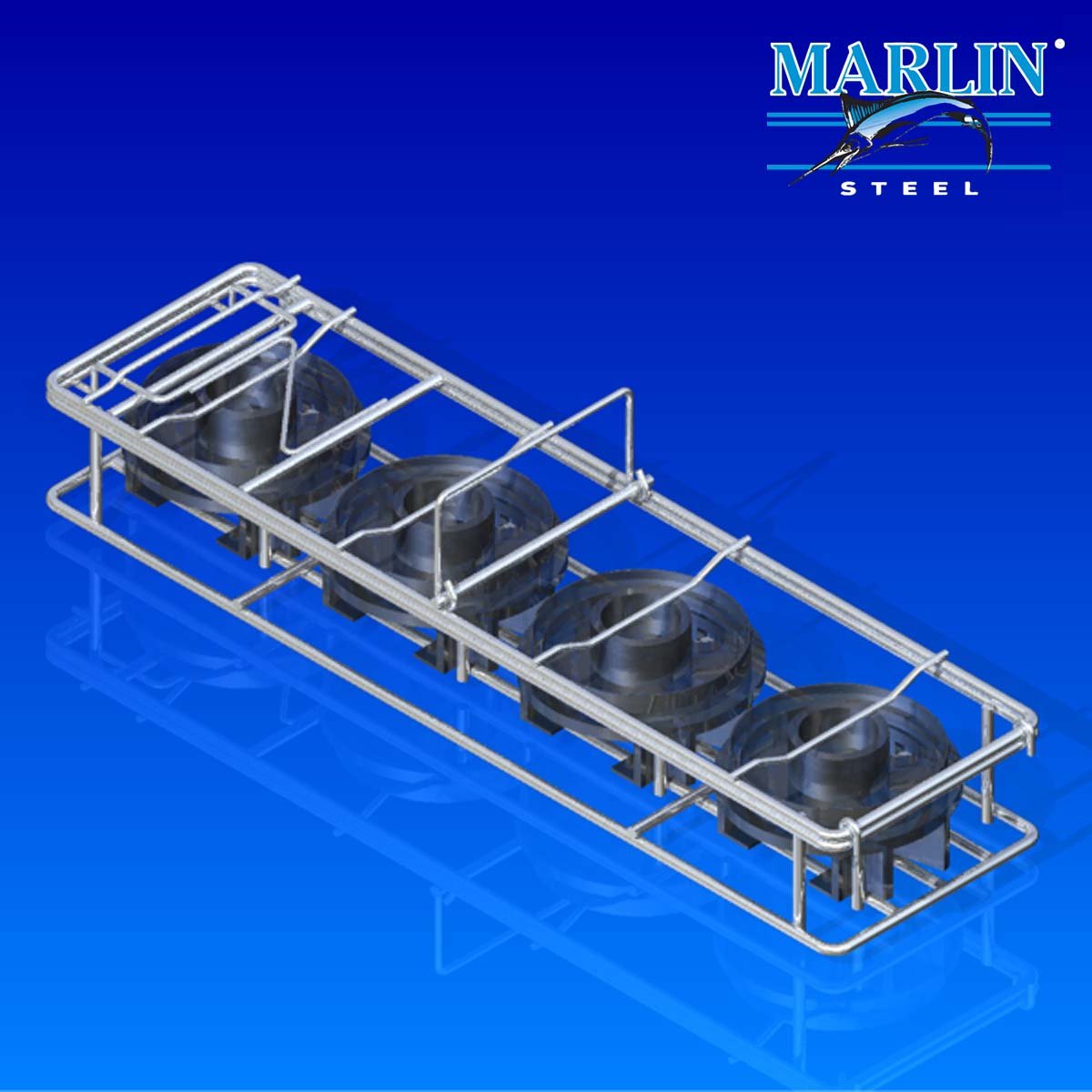
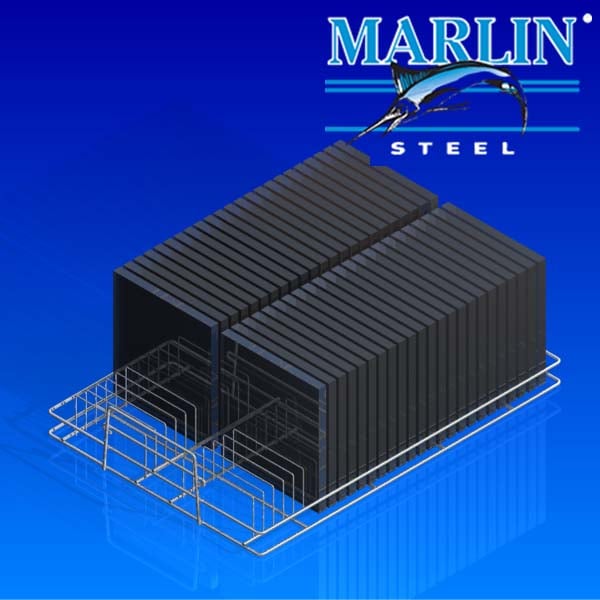
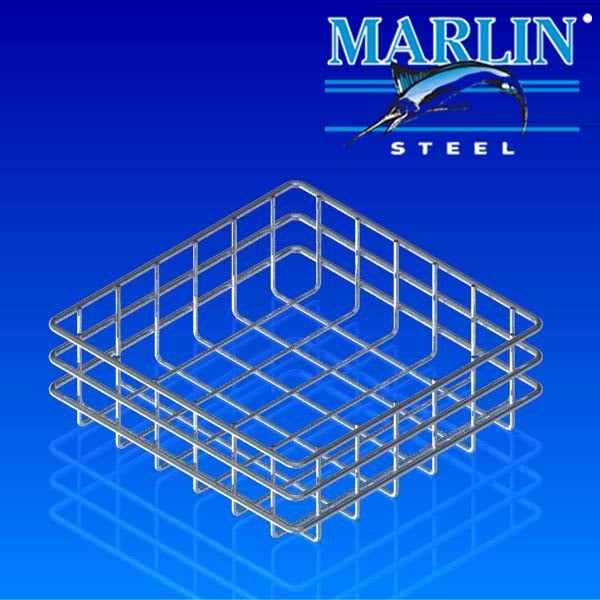
.jpg?width=270&height=270&name=00719012%20(1).jpg)
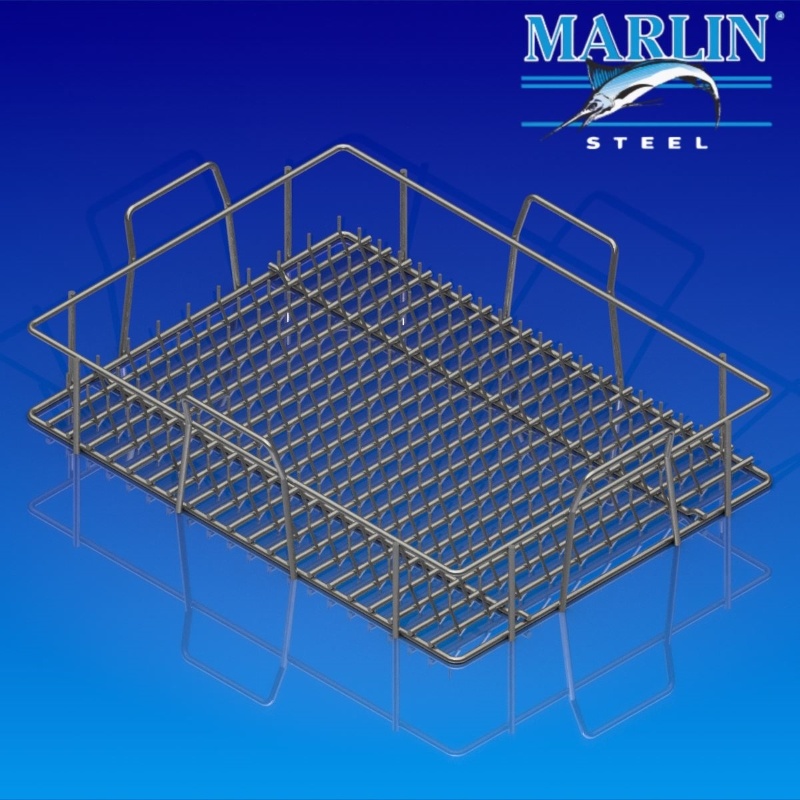
.jpg?width=270&height=270&name=00728001%20(1).jpg)
.jpg?width=270&height=270&name=00735001%20(1).jpg)
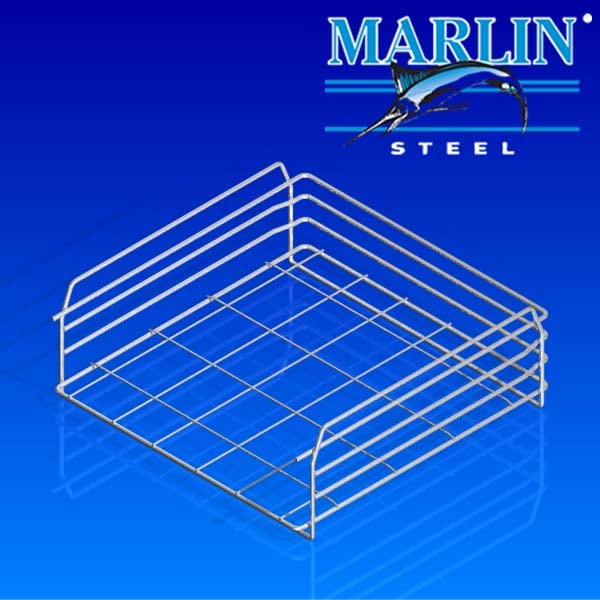
.jpg?width=270&height=270&name=00756002%20(1).jpg)
.jpg?width=270&height=270&name=00759001%20(1).jpg)
.jpg?width=270&height=270&name=00767001%20(1).jpg)
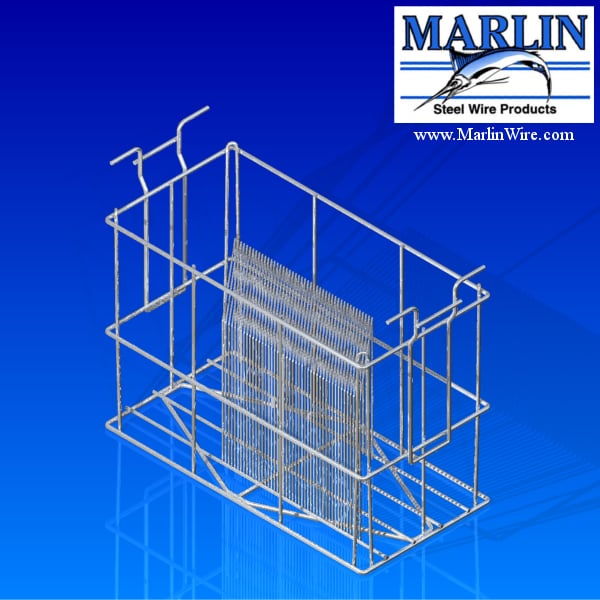
.jpg?width=270&height=270&name=00781003%20(1).jpg)
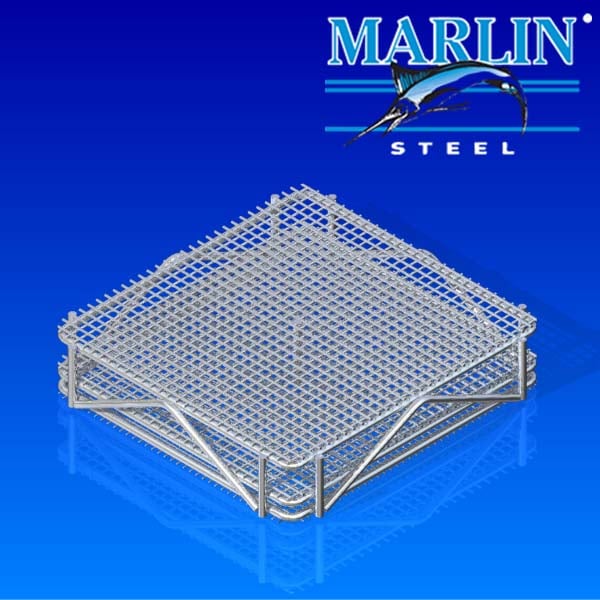
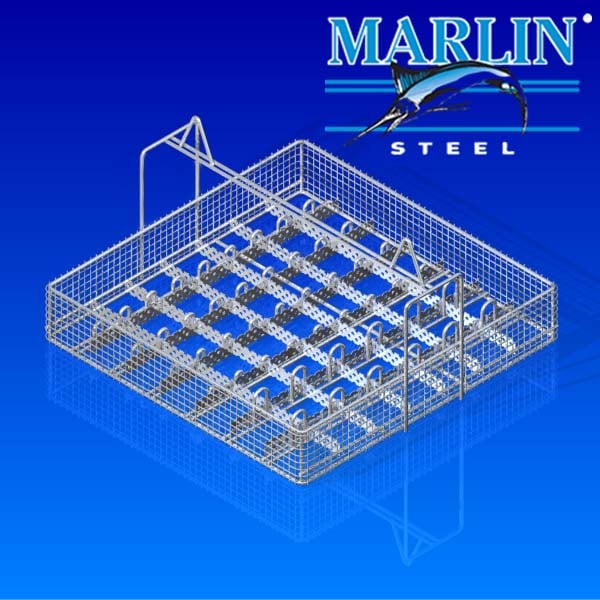
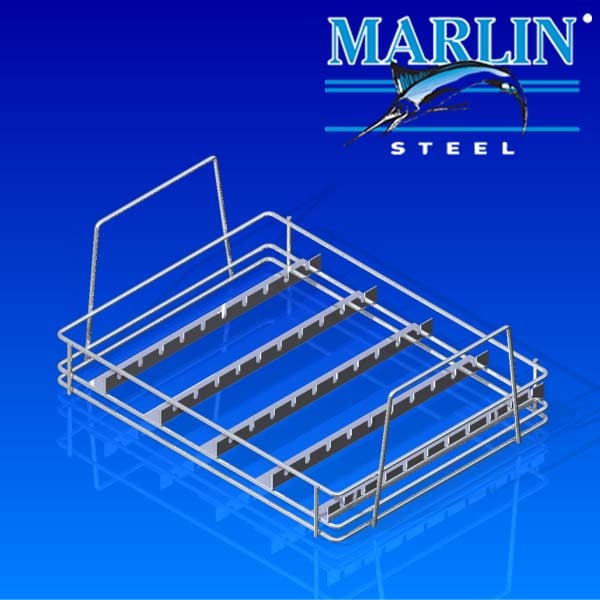
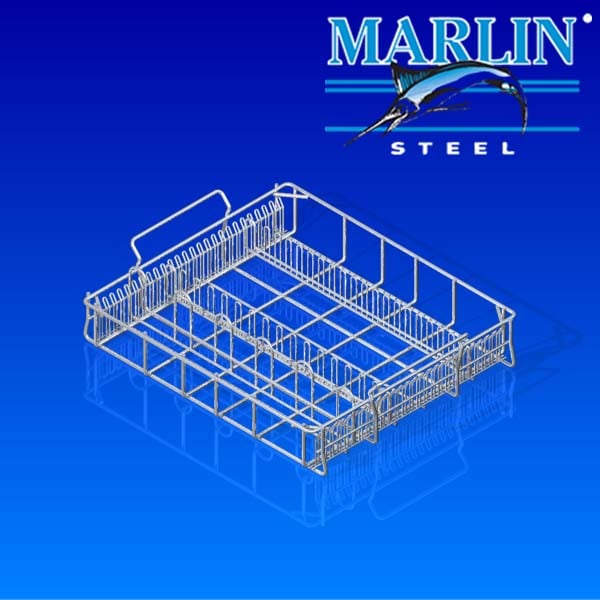
.jpg?width=270&height=270&name=01024004%20(3).jpg)
.jpg?width=270&height=270&name=1094002%20(1).jpg)
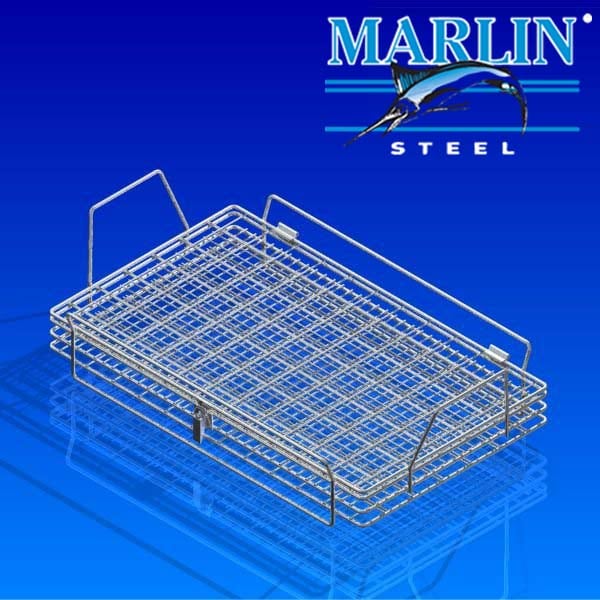
.jpg?width=270&height=270&name=00093001%20(1).jpg)
.jpg?width=270&height=270&name=00023001%20(1).jpg)
.jpg?width=270&height=270&name=00045001%20(1).jpg)
.jpg?width=270&height=270&name=00045002%20(1).jpg)
.jpg?width=270&height=270&name=00075002%20(2).jpg)



.jpg?width=270&height=270&name=00371006%20(1).jpg)
.jpg?width=270&height=270&name=00719011%20(2).jpg)
.jpg?width=270&height=270&name=00727004%20(1).jpg)
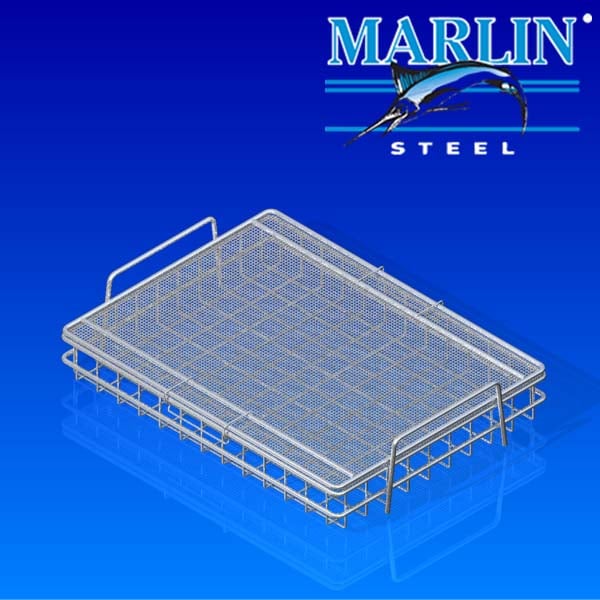
.jpg?width=270&height=270&name=00738002%20(1).jpg)
.jpg?width=270&height=270&name=00744001%20(1).jpg)
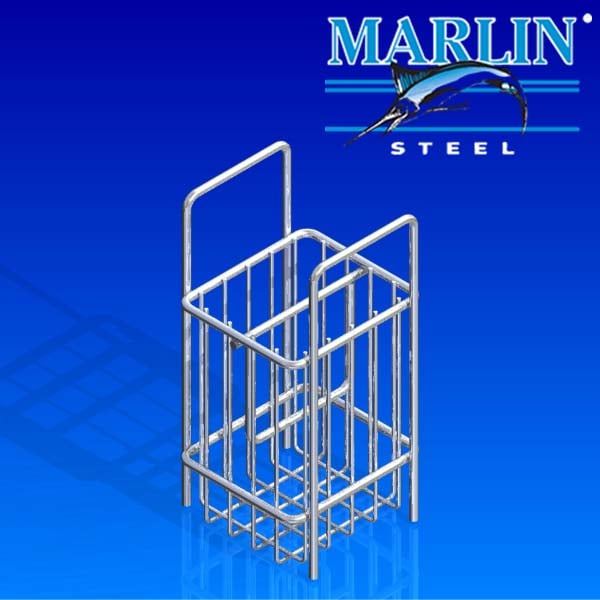
.jpg?width=270&height=270&name=00791001%20(1).jpg)
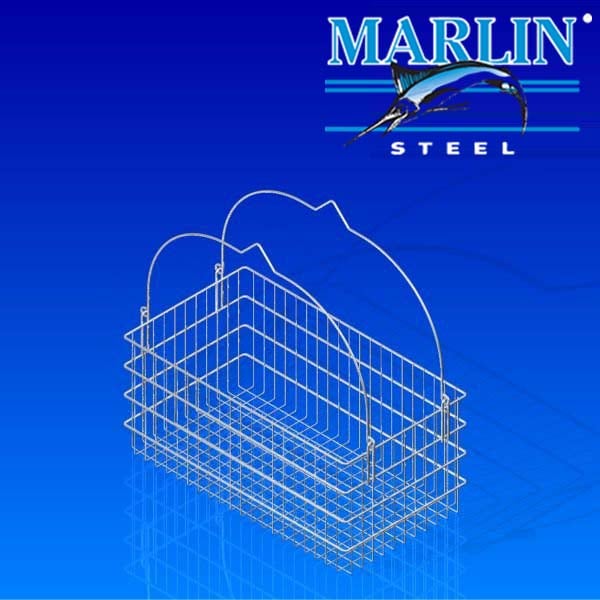
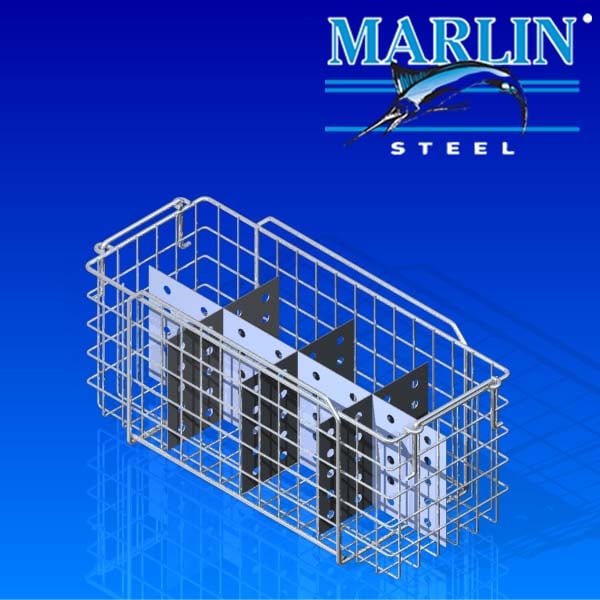
.jpg?width=270&height=270&name=00840001%20(1).jpg)
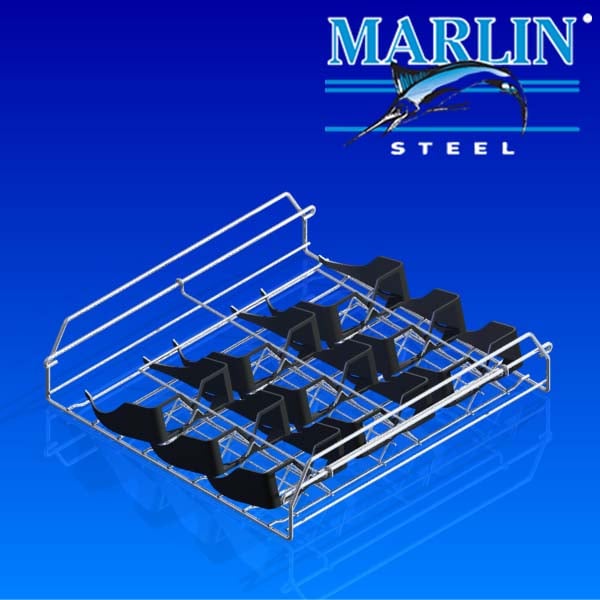
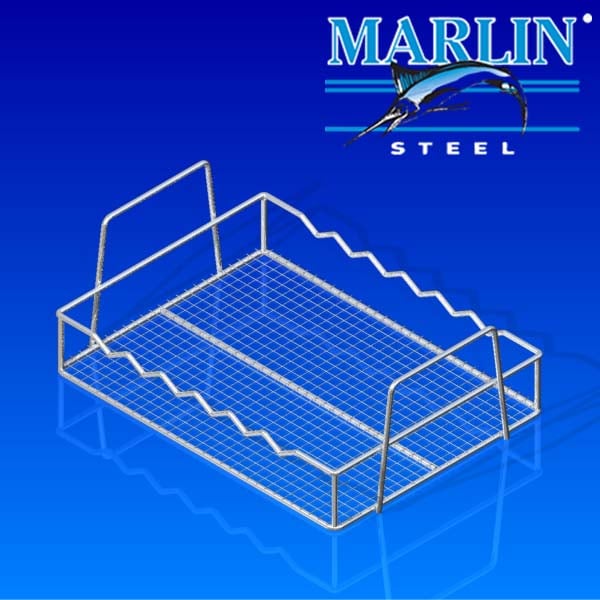
.jpg?width=270&height=270&name=00867001%20(2).jpg)
.jpg?width=270&height=270&name=00903002%20(1).jpg)
.jpg?width=270&height=270&name=00960009%20(1).jpg)
-1.jpg?width=270&height=270&name=00960013%20(1)-1.jpg)
-1.jpg?width=270&height=270&name=00960014%20(1)-1.jpg)
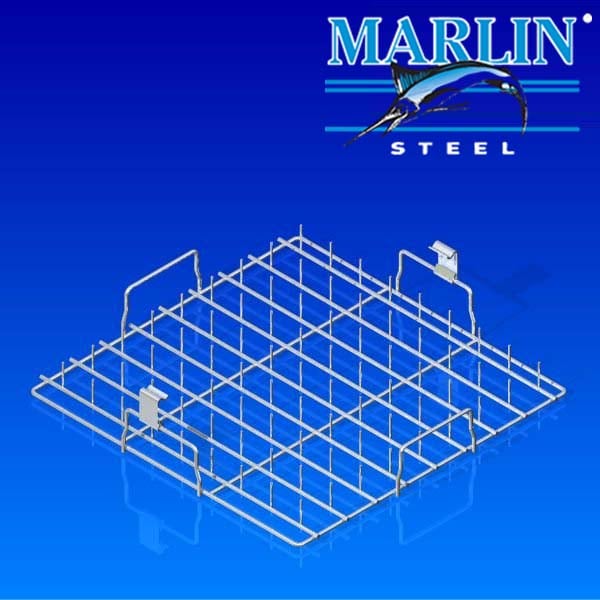
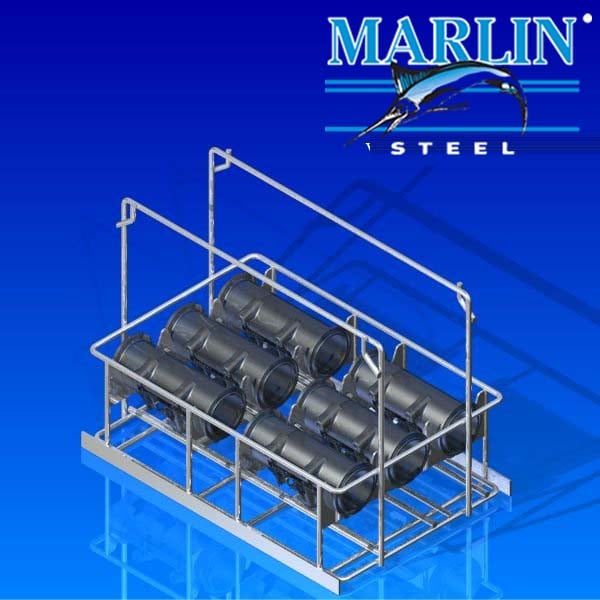
.jpg?width=270&height=270&name=01024005%20(3).jpg)

.jpg?width=270&height=270&name=1081002%20(1).jpg)