
During the pandemic, the world experienced the downside of globalization and its effects on manufacturing. Shipping delays, rising costs, and supply chain nightmares created a variety of product shortages, highlighting the problem with relying on overseas manufacturing. Many companies were already in the process of reshoring their operations and partnering with domestic production facilities; in the wake of COVID-19, more and more companies are doing so.
At Marlin Steel, we're proud to share how reshoring has strengthened our company and created jobs in our community. We were recently featured in the Baltimore Business Journal, and our President, Drew Greenblatt, was a keynote speaker at WTCI's "Is Globalization Dead or Alive?" event. You can watch the event on the video below. Due to Marlin Steel’s efforts to expand U.S.-based manufacturing, we were also featured in an article by NPR.
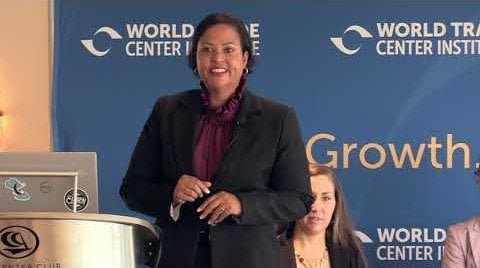
Kristen Lewis: Good afternoon everyone and welcome to Agile the World Trade Center institute's Innovation series we have an incredible panel discussion ahead on globalization and transition all of us in this room and all of our guests online already know that it is globalization in transition and that globalization surely is not dead I'm Kristen Lewis I'm the senior director of programs and series for the World Trade Center Institute and I'm honored to be your host today and share a stage with these incredible global leaders who I will introduce shortly but first some important brief comments about wtci and what makes powerful convenings like this possible for over 30 years wtci has empowered globally minded Leaders with ideas and connections to Build a Better World over 20 years ago I began my career at wtci as an intern and later as an employee and here I've returned in 2022 to a non-profit that marries the two things I am personally most passionate about global business and social impact at wtci we Empower globally minded leaders from the Mid-Atlantic with ideas and connection to drive growth and Global good whether developing leadership and exchange programs for hundreds of international visitors who come to Maryland via our International visitor leadership program partnership with the U.S state Department we're engaging with the leaders who drive Maryland's economic engines through our annual state of the ports address our goal at wtci is to support and develop current and future Global and local leaders our youth fellowships programs prepare high school and college students our Workforce of tomorrow for careers in global business our Edge program called the Bowie Fellowship prepares mid and senior level Executives to advance their leadership skills and careers in global business annually we celebrate the best of our Network through our Maryland International Business leadership awards also annually we uplift and connect the powerful women in our Network and the region through our annual women's Banning the globe conference wtci's work and programming is powered by our membership Network the largest network of globally minded businesses in the Mid-Atlantic if you're interested in joining our Network and supporting our programs and Mission I invite you to connect with Jeremy Rosendale our vice president of membership and business development after the session our members help make this work possible and a warm welcome and thank you to the members that are here with us today wtci's programming focuses on six core themes that are top of mind for leaders in the global economy agile is our dedicated innovation-centric program series each year we select a macro theme and we hold four sessions related to that theme our 2022 series theme is navigating the mega trends that impact Global business today's globalization and transition session was originally going to be on cyber security as all innovation-minded professionals know pivoting quickly to meet rapidly changing market conditions is essential and so we changed the topic on behalf of wtci's co-ceo Susan applin and Eddie rosende and our staff we'd like to thank several people and companies who make our work in the agile series possible Todd Rupert chairman of wtci's board of directors is the Visionary founder and sponsor of agile his vision was to bring global leaders together to discuss and learn about breakthrough Innovation and create an environment of collaboration for the leaders that are advancing The Innovation economy in Maryland the Mid-Atlantic and around the world thank you Todd for your generous support and vision thank you to our Platinum sponsor RSM.
Liz Hempel: Um which essentially means I help our clients think about how they buy make and move product around the world right um I have personally always found it a very interesting topic but many more people are finding a very very interesting topic these days as we see how the world is changing and shifting so just to set a little bit of the context today um you know frankly most of these Trends are probably well known to most of the folks that are here candidly if you've opened a newspaper you'll probably be seeing a lot of these Trends but just to level set a little bit of the context about why we're talking about deglobalization and really how we tend to frame it as a shift towards regionalization uh particularly within Supply chains is a combination of factors that are happening in the broader macroeconomic environment Trends as well as what's happening within our own Supply chains um so uh so I think this is actually do we have did we get the new pages in or is this is it uh okay uh apologies um okay uh sorry I had a few updates right before this but I think this is a slightly different version of this but broader broader context of this is you know we know inflation is up right it's the highest that it's been since you know the 1970s right uh on top of that we have consumer disruptions that are continuing to happen right we've had uh we were just joking uh beforehand about the Suez Canal the freezes that are happening Texas the massive amount of supply chain disruptions that are happening and there's actually been a fair amount of math uh even predating covid that these disruptions can have a pretty significant impact on your overall Epitaph for your organization um on top of that we've got changing consumer preferences so you know we talk a lot about I lead Industrials which are B2B or B2B c b to b b to B to C organizations um even in those types of organizations consumer preferences are changing very rapidly to how can we move things faster how can we move things quicker how can we get closer to our end item uh consumer and then have more customization that comes into play right which then changes how you think about your supply chain what does that mean for your disruption and do you want to be a global supply chain or do you need to be closer to your an item customer we've got uh you know uh component sources shifting and changing regulations that are coming into play right now 75 percent of the world's semi deconductor of Supply comes from East Asia and not just East Asia but Taiwan in and of itself right and that actually poses a pretty big Challenge on a number of different dimensions um and then lastly again on the market consumer side we've actually got a very strong consumer balance sheet people have cash uh and what this is actually means is shifts in their demand in their demand structure on an even volume based scale so you know a classic example I have one client that was expecting their demand to be down about 65 percent in 2020 and ended up surging over 40 percent as the the cash flows hit the market as people were shifting what what they were looking for in their uh in their own households in and of itself but on the flip side of that we also have challenges that are driving within the supply chain itself I'm sure most of you have seen free costs up five percent or more than five times you've got uh Trucking costs up 65 and that's when you can get a truck which is another big problem I'm sure most of you are facing uh labor imbalances the labor workforce participation rate is the lowest that it's been also since the 1970s 1970 seems to be a pretty accurate comparison we have in a lot of ways um and lastly we have things around geopolitical tensions uh even before covid right there was a lot of focus on changing geopolitical Dynamics you have the 301 tariffs that were introduced by the Trump Administration a lot of focus on China Taiwan however it's actually grown right we now have Russia and Ukraine and all the challenges that are coming into play that's bringing it a lot closer to our doorstep we're seeing what that can actually look like whether it's in Grain shortages 80 of the world's grain Supply comes from Ukraine uh whether it's again for their exhausting exacerbating the semiconductor challenges we've got you know all the highly purified neon that's coming through a desk about Essa that then feeds into the production of semiconductors so a lot of changes happening and so when we ask organizations what are they doing about that we actually get a number of different responses in terms of how they think about building resiliency and so just to lay out a little bit of context for you guys on this we do a survey at McKenzie annually we've actually started it before covid because resiliency we were beginning to hear more and more buzz on the ground about what resiliency could look like and so I have the data here that says in 2020 but it was actually released in March of 2020 so if you think about that that was really before covet started exploding and what was interesting there is when we asked organizations how they were thinking about resilience in light of a number of different Trends uh smaller at that time but still in place most executives are actually already beginning to think about resilience lovers whether it's inventory or dual sourcing you think about them as you know sort of the shorter term term lovers only about a quarter of them are thinking about movements in their supply chain now this isn't surprising moving a supply chain is Big it's Capital intensive right it's quite a bit of work but you fast forward to 2021 where we've really had one of our first major major disruptions in supply chain in the last few years or actually I should say last few decades um but when you look at those shifts right we've got now 80 percent of Executives have implemented some sort of resilience measure now they're hunkered down they're in the trenches of covid most of that is around inventory dual sourcing using digital to try and get transparency into their supply chain so they're dual sourcing throughout the multiple tiers within their supply chain but what's interesting is we now have 44 of Executives thinking about regionalization which is not quite double but pretty darn close uh in a span of one year okay play it forward to today we're coming you know light at the end of the tunnel in terms of covid people are still thinking about short-term levers you know those are probably never going to go away at this point in time again particularly as you start getting into the multiple layers of your supply chain but in our most recent survey we now have 51 of Executives thinking about regionalization so more than half of executives are now rethinking where they want to be in the globe so with that context we're going to dive into some of the specifics and then we'll come back and leave you guys with some thoughts about what what that might mean for you and your organizations I'll hand it back to Kristen thank you so much Liz.
Kristen Lewis: It's now my pleasure to introduce Brooke's story president of BT integrated diagnostic Solutions Brooke joined BD one of the largest global medical technology companies in the world in 2021 is worldwide president integrated diagnostic Solutions and is responsible for driving Global strategic operational commercial performance and customer experience across the bdids portfolio the IDS business includes specimen management which comprises devices for collecting transporting and preparing samples for Diagnostics microbiology with clinical and Industrial robotics enabled Solutions and molecular Diagnostics with informatics supported instruments for hospital and high theraput labs and tests for a variety of infectious diseases prior to joining BD Brooks served as president pelvic health and gastric therapies at Medtronic she held a variety of leadership roles at Medtronic over her 15-year tenure with the company please join me in welcoming Brooke's story thank you Kristen as she mentioned I am
Brooke Story: new to Baltimore new to this area and part of BD and before I jump into telling you about BD which is an awesome company I want to ask you guys or take you back to February of 2020 because it informs how I got to where I am today in February of 2020 you all might remember this but we were just starting to see covid here in the United States right um there was some covet at a Senior Living Center out in Washington State next what we found out is that it was starting to spread we started seeing it in New York so I want somebody from the audience to tell me if you suspected you had covid what requirement did you need to pass in order to get a test in February of 2020.
Audience Member: correct you need to travel to China so what does that tell you there was no.
Brooke Story: Supply in the Channel anywhere in the world there were lab created tests and what that meant for BD and the team that's based right here in Baltimore the Diagnostics business is that they got together and they said there's three things we want to do number one we want to get a test to the market as fast as we can for Europe and we're going to partner with the European team over there a separate company to help us get this test to the market number two we're going to partner with somebody in the United States biogx was the name of the company that we're going to partner with in the United States to get tests to this market and number three we're going to develop our own tasks because we're BD and we do great things from a Diagnostics perspective that's what we do and so what happened was in an incredibly fast time period from Sur test which the first discussion with them was in mid-February and the first test to the European market arrived on March 10th we started we got approval to bring that diagnostic to the market in Europe because as you recall Spain was getting hit really hard southern Europe went through a very big tough time next we started talking to our friends here in the United States bio GX in March of 2020 and by March 10th there was a submission to the FDA for the Emergency use authorization to bring that test to the market here these are PCR molecular tests for Labs at a Johns Hopkins or University of Maryland Health System that have our BD Max in their uh in their lab and so by let's see 3 5 3 16 April 3rd was when we had tests available here in the United States so you remember I was talking about February and this is just April 3rd and if any of you know how long it takes to bring a medical device or technology to the market you know what that means um and so this is fantastic um the capacity that we had to build up to meet that requirement we do manufacturing for these molecular tests in Quebec while all of this work was being done manufacturing was being built up in Quebec and we went from zero test to 1 million tests per month within three months and then we're at 2 million wait a minute three million I've had my notes here to cheat we went to three million tests per month by November of 2020. that's remarkable that was driven by globalization because our partners were all over the world and that leads me into BD who are we it's why I came I was incredibly impressed that BD showed that type of agility being a 125 year old company no offense to anybody from 100 plus Euro companies they don't always come off as agile I'm just going to make that statement we can debate it later but BD is a dynamic med tech company we make 45 billion devices a year we serve the entire Globe so for us globalization isn't going away our mission is advancing the world of health and what I say and what I've seen and what we do is we're advancing the world of Health for everyone not just wealthy people in wealthy Nations we're trying to advance the world of Health for everyone so this drives our commitment to globalization we spend a lot on R D we have 75 000 Associates worldwide 2 200 right here in Maryland we're the largest med tech employer in this state so we're really proud of that and we have a long Legacy her this is how the businesses are split up the Diagnostics business is part of BD Life Sciences you can see about 50 percent of our business is in the United States and the rest is basically rest of world but again we're trying to advance this mission of advancing the world of health so that means we've got to continue to focus on bringing these Diagnostics and these therapies to everybody around the world it's important to us okay so transitioning from kind of BD and why came let's talk about we got all of these tests to the market that was fantastic right everybody was better you could go to the hospital you didn't have to prove as our friend said that you went to China to get a test once you got into mid-2020 late 2020. then what then all the supply chain issues that Liz mentioned started popping up and um and this is this is as I was joining and so every single one of these issues for all of the global multinationals all of these issues can impact something in supply chain and in my 30 years in business and leading businesses I've never spent more time on operational Logistics supply chain issues in my entire career nor has my leadership team right I think that's everybody and doesn't mean we want to be Regional or we think we could do it all in one place no it means this is the reality that we have to deal with so as Canal literally I guess we had stuff on boats over there it caused a problem Texas freeze it impacted plastic production there's a paper mill strike in Finland it literally supplies like 20 of the world's pulp so you can get labels and if you don't have a label you can't send a blood collection tube to a hospital because that's not on label can't do that Russia Ukraine the Diagnostics business had the largest uh Revenue base in Russia Ukraine of any other business within BD's organization we have a lot of Associates there and obviously we also want to look out for their safety China coveted lockdowns every we have suppliers that supply for our vacutainer tubes coming out of China every time they went on lockdown we went on back order it literally was an unbelievable gymnastics exercise for the whole leadership team to deal with that and then U.S Port can um congestion it goes to the comments around labor finding truck drivers across Europe and the United States everywhere and so what we found over the last year and a half of having to deal with this is number one there's there's two things we're trying to deal with number one is fulfilling our mission and meeting the demand of our customers right when you have these supply chain issues you have to figure out how to work around them and meet them but were publicly traded large companies so we also have to meet the requirements of our shareholders which means we can't let our margins go to zero because we're doing extraordinary things and this is where we started building up the resiliency that you heard about we started um qualifying additional suppliers for our products we did in some cases have to deal with paying higher prices to get an alternate for the Finland paper strike people and we did that but at the same time that also meant we had to have some harder conversations and actually raise price which is not something we've done on some of our product lines in order to manage not being non-profitable but also making sure we could bring these really critical supplies to the market and so we took our time doing that and it has been a another confirmation for us that globalization is important but it's going to be more complicated going forward than it has been so fascinating fascinating time for us okay now we are talking about the supply chain we're talking about logistics what else has complicated our business from a globalization perspective we're also now required as all big companies are to think about ESG and I'm sure all of you that are in big corporations are dealing with this and we think about it I'm going to talk about kind of two components of it today one is Community Health and the second is around Community Health what's the other one the environment of course and what are we doing there so we at BD are focused on this as well and we're thinking about we have a strategy this is kind of pieces of it it's a 20 30 strategy but it also adds additional complications as we think about globalization right there's parts of the world where this isn't a nice to do this is going to become a must do for us to continue to bring our products into those markets so we are focused on driving down our greenhouse gas emissions looking at our packaging investing in on-site renewable energy at our plants around the world and we're committed to supporting that work and again we also know it means that's how we have the right to play in some markets the other thing I'll talk about is healthy Workforce and communities and I've got an example right here I'll tell you about it here in Baltimore BD donated through our point of care business Diagnostics to Esperanza Health Center and this was in partnership with heart to heart and nafc National Association of free clinics and the reason we did that Esperanza serves a predominantly immigrant population literally on the east side of Baltimore maybe a block up from Johns Hopkins and what they were finding out is that there were occasions where people showing up to be served and cared for there for Dental Care Health Care weren't getting their test their diagnostic test done because they were referred down to Johns Hopkins and being new to Baltimore in the last year and a half I go to Johns Hopkins and I've been there and if and I speak English well so um finding your way around if you don't speak English and you only have a limited amount of time can be a challenge and so we partnered with Johns Hopkins as well because they wanted to know um how do we kind of get these folks to get the Diagnostics that they need when you go to the doctor annually you're getting your blood draws and we said we'll just bring the diagnostic into the into the center directly and that's just an example of our say do connection to ESG that will donate that equipment that allows patients when they show up to actually get their tests done they don't have to go anywhere they can get the test done it takes 15 minutes point of care is meeting patients where they are and as we think about globalization in Diagnostics what's interesting is it's shifting right traditionally everything was done in a big lab or at the hospital and now you're seeing Diagnostics being done at retail clinics and we saw with covid with the at-home test that now we can trust you to take a test on your own and get the right result so it's a fan tastic transition and the bottom line is it's it's going to keep happening this commitment to ESG the globalization of the economy and of and our ability to adjust and be agile will make a huge difference so finally I'll just wrap with this and Clayton Millis who's on wtci's board gave me this quote but it's a great quote and it's one I love and we were talking about how this Global pandemic has shifted diagnostics from the basement to the boardroom it's a conversation that everyone's having now because in the case that the globe continues to face pandemics infectious disease pandemics there's going to be a need for us to continue to be agile to continue to serve the globe and to continue to leverage the global economy to do that and so for that we think we're set up for doing it and we're really excited about it so completely aligned with the globalization comments that Kristen made thank you.
Kristen Lewis:Thank you so much Brooke that is a very powerful quote to end on I'm now very pleased to introduce Drew Greenblatt um we're going from a large multinational firm to a smaller business that is a us-based manufacturing firm Drew Greenblatt is the president and owner of marlin steel wire products drewbot Marlin Steele in 1998 when it was a small maker of a commodity product since then he's grown revenue 21-fold and in February 2021 expanded its Factory floor space by 56 percent February 2021 so mid covid despite covet headwinds Marlin grew over 25 percent in 2020 and an additional 28 in 2021 actually four years in a row of double-digit sales growth in the face of challenges in the global economy Marlin steel has invested over 6.3 million dollars in robotics in a quest for quality and speed and has recently purchased Baltimore automatic wire forming Corporation retaining 100 percent of its staff in December 2021 Marlin purchased medicine wire and retained all of its employees and has also increased the staff 50 percent and wages and benefits in less than five months and invested over 1.5 million dollars in new equipment Marlin steel Imports nothing and exports Material Handling baskets wire forms and Sheet Metal Fabrications to 43 countries Merlin's all USA made products include daily shipments to Mexico and Canada as well as weekly shipments to India and China I'm very pleased to introduce Drew greenblatt.
Drew Greenblatt: Good afternoon thank you so much wtci and Kristen for that wonderful introduction we're thrilled to be here hugely important topic globalization what's its future I'm very passionate about American manufacturing I'm very optimistic about American manufacturing I think this is a wonderful time and we're and Marlon and American manufacturing is positioned I believe for a huge upside huge future moving forward I think globalization is important however I think the pendulum swung a little too far we put too many eggs in one basket and I think the pendulum is swinging back it's not going to go all the way back to only buying from domestic uh suppliers but it's going to be a more well thought out conservative approach to have local suppliers performing to so you could ship on time high quality parts we're seeing it at Marlin it's powering our growth we're betting with our own money we're investing in local factories we're investing in factories in the midwest we're looking to buy more factories because we're so enthusiastic about how the pendulum is coming back and American growth is going to happen we're hiring more talent because we have more demand more people are saying you know what I got to be more safe I got to have my production local Arlen's not the only one throughout America we're seeing many factories getting purchase orders when they get a purchase order they have to hire more people at Marlin the ratio is about a quarter million bucks every time we get a quarter million Buck order we have to hire about another person well an America in general we have had a 350 000 new manufacturing jobs created it's phenomenal and it's not just one year it's not just a one year blip this is a trend line that's been going on year in year out as uh we were told before where people are rethinking the supply chain they're saying you know what we don't want to have everything tied into overseas we've got to protect ourselves and have things some things made Stateside in America so year in year out there's been positive employment growth because more orders are being given to local factories American factories again I want to stress globalization has positives you could buy more inexpensive goods from overseeds it's cheaper to buy some things overseas and it's also easier to to there's a significant infrastructure overseas to ramp up quickly for huge volume very uh when it's a very large volume project but people are again starting to rethink globalization and there's several reasons why some have already been discussed in in you know the covid-19 it became very clear what some of the challenges are for example all of a sudden prices spiked all of a sudden you couldn't get stuff because it was late whether it was the port not you know you can't get a truck driver you can't even get a container to load the truck in uh it was just all kinds of challenges another problem was people over the years have we considered buying overseas because of Ip theft intellectual property theft because you don't want your intellectual property stolen uh there are so many smart people at BD that are coming up with phenomenally good ideas doctors and researchers that are coming up with Innovations and patents they want that protected Marlin also is leaning into intellectual property we have many patents and we also have 20 of our team our chemical Engineers or degreed Engineers coming up with slick Innovations so that we can be Innovative and different the last thing American companies want is for this IP to be stolen and in our country in America we're very protective of intellectual property in Europe they're very protective Canada they're very protective however in some countries they don't value intellectual property and I think that's contributing to the rethinking of where do you build things and where do you invest in new Innovations we but uh the impacts are massive for example shipping container Freights uh went up zoomed up and that made a lot of people rethink whether or not you're going to bring stuff in from overseas now these rates recently have come down a little bit okay which is a good thing but what's happened is is that if all of a sudden in the past it was four thousand dollars or twenty five hundred dollars to move a container from Shanghai to Chicago and now it's 29 000 uh or was a couple months ago you're going to rethink particularly if it's a big volume product also there were several times for example overseas in in China for example where they had shutdowns this is a chart of factory shutdowns and you could see the spikes of the factories getting shut down that you alluded to one time it was because of the coveted lockdowns and the other time it was because of energy they had run out of there was so much energy uh being the droughts caused energy problems so if you're trying to buy from overseas you need a very dependable and stable Source it's this is some of the reasons why people are reconsidering having all their eggs overseas and I'm amazed it's only 50 percent of the CEOs have thought of this uh it's amazing to me that it's not 100 when you have these kinds of challenges we talked about the intellectual property people are are challenged by the CCP allowing intellectual property to be rampantly stolen and then used against us this is unacceptable and that's all the more reason why people are leaning more and more into America Canada and European um production um people but again there's a huge draw to build in China and build overseas and a big reason of course is how cheap it is um in in China for example in my industry uh steel is subsidized uh in in my industry the labor is subsidized in my industry overseas they subsidize exports so all of these are tremendous hindrances to the American when you make a comparison between American and Chinese pricing we also have very good rules for protecting the environment which I'm thrilled with we have very good rules to protect our labor our talent they have less that's less of an importance to them and because of that their costs are less and because of that they can charge a cheaper price and we haven't even talked about using prison labor child labor and of course having concentration camps where they make uh things for much cheaper than we can make them in America but there's a lot of challenges going on besides China overseas we have issues with of course Russia as we've discussed earlier today God they attacked a country that was a democracy standing alone uh and uh upset the whole uh I mean killed all kinds of ukrainians and uh this kind of this terrible words raging on it's unsettling to the European uh um the whole European continent it's unbelievable we're having another war in Europe now of course Russia is retaliating because we're supporting them they turn off Nordstrom Nordstrom and it's driving up energy costs in Germany the other day I saw energy costs are going to be 10 times higher for factories it's challenging those costs are really crippling German factories this is a chart about France and you can see what the price has has happened in France this is going to hurt our our trading partners overseas in Germany Again part of the reason why I think the pendulum has gone too far and why it's going to come back more stateside of course another reason is uh diplomatic uh I'm political uncertainty uh they have taken over uh um Hong Kong in 2019 as we know they crushed or Revolt the student Revolt in 1989. um the concern is is Taiwan next that would be a terrible uh catastrophe 20 some million people that are live in a democracy and strategically incredibly important as as was mentioned 75 80 percent of all chips made that are used in our iPhones I mean who wants to pay five thousand dollars for an iPhone uh you know all the iPhones all of the cars so many pieces of equipment are tied to these chips that are in this little country peaceful country minding its own business uh that's that's in the crosshairs right now it's very unsettling and uh this will impact the supply chain if God forbid they attack them uh we don't want that to happen um and I before I wrote this I didn't even put down North Korea I mean you know this week with them shooting all kinds of missiles I mean that's how I couldn't keep the you know Kristen was like enough enough you know so I mean but now that I could have slides of North Korea too I mean poor Korea could be heard so there it's so upsetting bottom line is we're so blessed that we have such wonderful neighbors like Canada like Mexico right where we live in a peaceful Hemisphere and uh American companies are reconsidering hey you know we should we shouldn't have all the our eggs in Crazy uh environments um a very good tool that people should consider is a tool called the TCO estimator when you want to do the math to see if it makes sense to move from overseas back to America and uh um the restoring Institute has put this together and it's a little Excel spreadsheet a lot of times people say well here's the quote from the American vendor and here's the quote from the Chinese vendor right ah look the Chinese vendor's cheaper I'm going to buy from the Chinese vendor that's the conventional way of doing it the TCO estimator is a wonderful tool because it shows yeah that's those are two important inputs but there's other inputs there's the duties costs there's the freight cost there's the time on the water there's the the insurance costs etc etc and it goes through an exhaustive list that includes all the different costs and then when you do the math it turns out about 30 percent of American Imports shouldn't be done they should be made in America because it's actually cheaper to do it in America if you use the estimator and by the way this doesn't include environmental impacts which is a massive and they're doing an update on the TCO estimator to enhance it to include environmental if you add environmental I don't know whether it's going to get to 50 or 60 but it's going in a different direction than the conventional purchasing manager uses in America nowadays so the bottom line is it's time to prepare it's time to prepare for localization we have to get into the mindset where we have to reconsider and recalibrate I'm not saying bring everything back from overseas I'm saying everything has to be reconsidered and rethought through and looked at with a fresh eye fresh pair of eyes bottom line is policy makers in America have to re consider how we're doing things because if all this surge of American manufacturing occurs to keep up with all this new demand as people recalibrate reconsider everything what's going to be the end result well the end result is going to be we're going to have a lot more Factory workers needed and another result is uh that we're going to have a situation where we're going to have to change how we think about things but it's important to understand a big reason why we should move forward with more reassuring again is sustainability because it's gonna it's gonna be less impact on our environment and again American factories in general North American factories in general are very good with on-time delivery and they provide less drama it enables us to be more Nimble as was mentioned and when if we're more Nimble we can run smaller batch sizes you don't have to have big huge warehouses overseas big warehouses here uh as buffer um and you could pivot quickly if the client likes green you'll you may you have a small batch size you can make it in green next week they worn it in Orange well you can easily pivot to Orange it's easier to do if you have a localized team big impact recently is the chips Act uh that is going to drive a lot of innovation in America and a lot of manufacturing in America they announced an enormous plant in New York state Upstate New York near Syracuse to make a micron is going to be making a very large Plant out there Ohio is getting two big plants uh with Intel this is going to help mitigate all of our eggs in the Taiwan basket and we're going to have hopefully on our way to 50 or more of chips made in America I think this will be a positive long-term output for us effect for us but our nation has to reconsider some things because if we're going to be making a lot more things here we have to reconsider the American Workforce we have to lead in uh because this is going to be a party here for the American workers and we're going to offer a lot more jobs we've got to hire a lot more people but we need the talent uh to keep up with this uh and we're going to have to treat them really well you know they didn't treat Tom Brady very well up in Boston and they lost them that was a mistake we have to treat our Factory workers really well so we could retain them and keep them so they don't go elsewhere we're going to have to invest in a lot of robots so we could be more automated so we can make high quality we actually set records for the most robots put into place we have three very large Robots coming into our Indiana plant and in two into our Baltimore plan uh it's gonna have a big impact they're coming later this year we're leaning into having more robots and an important factor is like the Indiana plant which is getting a million dollar robot we're gonna have to hire 10 people to keep up with that robot a lot of people think well if you buy a robot you don't need as many people it's actually the opposite because what happens is we're gonna it's gonna it's gonna create so much work we're gonna have this wonderful group of people they're going to have to keep up with this new machine and if you have this machine you have to run it and that's going to happen if you if if you have the talent so it's going to create a lot of new jobs a lot of opportunities and bottom line is the cost of not automating is going to kill you because it's very expensive to not automate and in the future are moving forward people are going to have to lean into that as our nation thank you so much bottom line is very optimistic about American manufacturing very optimistic about reassuring and localization it's going to improve the environment help the American factory worker it's going to bring people out of poverty and into the middle class thank you so much.
Kristen Lewis: Liz if you would join us again to close us out with some insights and thank you so much Drew do we have the last two pages yeah okay perfect all right sorry we have to double for that so uh just to.
Liz Hempel: Close this out a little bit as we think about globalization so we started with the the statistic that 51 of uh Executives these days are thinking about regionalizing or shifting their Network structures and Drew you asked the question why isn't it 100 so to take a look a little bit of data around what's actually happening and how our organizations actually moving and shifting um apologize I am missing a little bit of my title but the left hand side you're actually looking at the growth rate of North American Imports over the last decade okay so truth is over the last decade North American Imports have grown about 35 meaning we are less self-sufficient and more reliant on a global supply chain and Global Network now where are they coming from we've talked a lot about China we've mentioned Ukraine Russia other organizations or other countries within the world but where the growth is actually coming from is actually southeast Asia so that's SCA is not Seattle in this case it's actually southeast Asia so Malaysia Thailand Vietnam if any of you guys have been in Hanoi you notice when you walk in you see they're just constantly dredging the port they're making more capacity more room Etc uh India is actually second on the list uh we've got a number of government initiatives around Made in India that are in play you look at things like castings Etc uh big shift to India Mexico you mentioned our other partners here in North America Mexico is actually seeing a pretty significant increase as well in terms of what the what they're bringing uh into the US and then we've got you know obviously Europe and China and Canada are still remaining partners so what what is driving this shift it's not actually regionalization or deglobalization but it's a fundamental shift in Supply chains and where and how we're thinking about sourcing so as to as Drew put it not to put all of our eggs in a single basket and the truth is what is happening is different depending upon different Industries and different organizations and what's going to matter most fundamentally to you and yours so uh we mentioned uh cost and a cost being a large driver for organizations originally moving to China well in the past 10 years cost has actually labor rates have actually increased between 40 and 60 percent in China so what used to be a very very low-cost country it's now actually a middle-class country for most organizations in fact I think they're actually on the verge of becoming an upper middle income economy by the official definitions of that um so you look at their wage rates and you look at Mexico they're actually roughly on par right now you still look at Thailand Vietnam Malaysia or Southeast Asian partners and you still see a lower lower labor rate so when you're thinking about a highly labor-intensive industry apparel textiles things where there's a lot of people with actual Hands-On material you're actually looking more at some of these other some of these other uh regions instead of a pure regionalization play um we mentioned environment uh actually a couple times uh one of the areas driving actual regionalization uh you can actually have up to 10 times reduced emissions by regionalizing your supply chain uh I'm working with one uh company uh they make wooden toys uh the wood is sourced in Brazil it's shipped to China interestingly enough like 80 percent of the world's toys are made in a single city in China so you get your wood in Brazil you ship it to China make it into you know a puzzle a horse whatever and then you ship it back to the US that is a lot of diesel fuel going to just moving things around and last I looked we had wood in this Hemisphere and could actually put it into a toy um geopolitics and risk so we've talked a lot about the disruptions one of the things that has historically challenged organizations is being able to put a dollar figure on what does that mean it's it's you know avoidance of cost which we typically don't give credit for in a lot of organizations when you actually sit back and do the math and this figure is actually a pre-covered figure interestingly enough so I would love to refresh it someday but pre-covered the average organization Global organization lost about six months of ebitda every decade because of risk and Supply disruptions so that was before Texas freeze Suez Canal uh Finland paper mill strikes and all those other bubbles that come into play right so just imagine what it's like now as we continue to face these going forward um Talent shortages uh you know uh Brooke put it quite nicely this is not a U.S phenomenon uh many of the major uh manufacturing centers in China are facing pretty severe labor shortages they're happening in the U.S they're happening in Mexico we've done a survey of Mexican of Executives who are moving production to Mexico the number one reason cited for why they're not achieving their business case is they're not able to fulfill the labor demands uh in the location particularly in some of the big macular door towns that are uh pretty well known so you know you start to think about automation all the things that need to complement and come as you as you're wishing through these supply chain shifts and then the last thing I'm not going to belabor it further um you know you see different levels of service a different need for customization particularly looking for your two-day delivery but you want to have your name embroidered on it that's a very different supply chain than something that has to sit four to six weeks on the water coming from from some place in Asia so all of these factors and the reason why we list them in the labor the mountain you know there are obviously many others means different Industries are going to come to a different supply chain globalization is not dead it's not but if you're an apparel company and you have high labor intensity or a company that has a number of semiconductors and electronics versus uh you know a company that's making airplanes that's already you know got a lot of their supply chain regionalized or localized it's going to look very very different for for each of you and so with that I'm going to skip ahead and leave you guys with a few last thoughts to think about uh we have our lovely little framework on the left which gives you you know kind of the different dimensions folks are considering within their supply chain but across each of these Dimensions there's a couple of questions to that that you know we kind of want to leave in your mind the first one what regionalization trends will matter most to you as I mentioned looks very very different depending upon your company your industry your organization um but if you do nothing what happens to your performance so this uh toy company that I'm I'm talking to you know you every day their competitors are announcing new new facilities new factories new plants coming into North America and they're sitting here going okay it's a lot of investment it's a multi-year journey am I going to be left behind if I wait six months to make my decision um you know how much can you improve your current supply chain performance by shifting production Drew you had some wonderful stats and conversations about what you've been able to do with your customers and the organizations that you work with what can it mean to you whether it's cost reduction emissions Improvement or frankly growth in sales that's actually a big one that we're starting to see and starting to ask whether you're a supplier benefiting from it or whether you're you know somebody who's going directly to Market and again by getting closer to your customer what what can that mean for you and then lastly just you know regionalization is not a small move right so as you're thinking about what are the right big moves for you uh over the next few months and then even into the long term where do you want to invest where do you want to put your resources behind so just the last few thoughts to leave you with and I'll hand it over to Kristen.
Kristen Lewis: Thank you so much to our panelists we do have about 15 minutes for Q a if anyone in the audience has has a question thank you Liz for leaving us with some questions to think about um we'd be happy to open it up on the issue of talent what do you think we could be doing as a city-state to increase the talent pipeline for manufacturing yeah I think this is so sure we actually.
Brooke Story: Manufacture a lot of products right here in Baltimore if you've ever driven up Interstate 83 to York Pennsylvania on the right side thank you can you hear me yeah on the right side our plan is right there and um and we we hire those 2200 a lot of factory workers I think for the city and state we need to continue to educate our youth as they're coming up and make sure we've got a youth to work pipeline we actually partner with the University of Maryland Baltimore to support stem education programs here in the city I think that's really important because if we don't fundamentally train and educate the population around here the young people that are in the schools particularly in Baltimore City we're going to have a gap and there's no reason for that you know genius isn't limited to wealthy neighborhoods and and we're better than that I think as a as a country and as a state and as a city um so I think that's incredibly important I think we all have to lean in and help and support that um and then for us the other thing we're we're thinking about is really trying to make it easy for people to work um with us and and get out to Sparks we're up in Sparks and in Hunt Valley near the light rail but there's all kinds of things we've done to deal with shift changes and I know everybody's thinking about that but like we had we'd shift we'd gone to I guess a 12 hour shift and then we lost like a ton of people they just didn't want to do it mandatory overtime all that kind of stuff so we're also being flexible on that I think all of us have had to be flexible more recently from a labor perspective great points we only hire locals in Baltimore City so this is very near and.
Drew Greenblatt: Dear to our heart um manufacturing is an amazing job it'sa it's a great job to pull people from poverty and bring them into the middle class the average wage is over 85 000 a year average and you don't have to be a doctorate from Hopkins to get 85 large a year it's an extraordinarily good pay oh and we give health insurance and vacation you know we have the worst PR agent in the world you know because we have these amazing jobs and we we cannot get talent to realize that our offer offers our opportunities are so much better than it being a barista or work in retail right where you're not paid health insurance where you're not given vacation you're not giving sick days right and you get low pay oh or you can work a really great middle class job send your kid to University of Maryland you know go to Ocean City for the weekends because you can afford it right so we're doing a really bad job we need to get the guidance counselors to recognize that we're a great Avenue now I'm not saying don't go to Hopkins I love Hopkins I'm not saying don't go to University of Maryland University of Maryland's amazing what I'm saying is there's a certain group of students where the right thing to do is to go into vote vocational uh consider a vocational Tech job okay because we offer a great path Hopkins and University owner not for everybody so my recommendation is we have to get guidance counselors and we have to get teachers principals into BD show them how great we are then we have to bring students in give them tours show them what we offer same thing with Marlin same with other factories and I think that's how we can change the conversation your organization is really connecting dots for people and I can't thank you enough Ed for what you guys do and teaching people that you know stem is really cool and Robotics are really neat oh and by the way you can get a job at Marlin for 50 80 more Grand a year just to start out to learn and set up these robots we have to connect the dots for people.
Audience Member: I used to work it back then I worked on the back tech systems early in my career which if you're not familiar with at that time if you had a blood test taken for a bacterial infection There Was 80 percent chance it was going in a backpack machine it's still more than 50. and I I work in stem education through competitive robotics in the area and I think if I did a poll of the kids that play that Sport and ask them what BD was they were and especially for young women it be to know is especially like when I do tours the young women are just blown away by the environment nothing I've been to Marlin Steele and my own kid wanted to work there because it was like cutting steel with lasers and stuff but I I agree it's a it's a PR problem it's a marketing and Communications they're great jobs and and in Baltimore City many times the parents are like don't go into that you'll lose a hand I'm like dude this is not 18 90. anyway it's safe it's clean great jobs.
Liz Hempel: To prepare for regionalization in a lot of ways and you know there is certainly this aspect of PR a lot of them are actually uh offering like just straight up paying for vocational training in a number of ways they are complementing it with targeted programs in their universities around robotics because you typically one of the real advantages of a lot of cities in Baltimore where you've got you know University of Maryland's not that far away is you can support a stem base of Engineers that are then needed to help uh you know design and deploy the robots in a different ways I would also encourage as you guys think about this like going even a little bit further to look at um how you can attract uh you know some of those folks that are going to be working in that base into your city so one of the one of the city councils I work with um it's weird to think about but they have like directors of like you know entertainment and lifestyle whose entire focus is on how they can attract manufacturing type profiles from a little bit further out to come closer into those things so all he does is like a you know it's like a cruise ship director programming right is what he's doing but the idea is to actually move people closer to the facilities where they are trained and where they do have the capability to do that um you can actually see there's actually pretty large commute patterns for a lot of people that are in these types of Industries and so if you can help change and shift that things like investing in your um uh uh public transportation infrastructure I don't know if I'm echoing here um yeah I'm wondering if this accidentally got it okay I think I'm uh I think I'm doing my back um but anyways uh thinking about your public infrastructure and how you can move people that uh more readily around you look at facilities in Mexico or the other ones they're actually bust into their facilities to help manage the shift patterns and work so training is a big part of it but in reality you're going to look at a more holistic methodology to try and ensure that you can grow a robust Talent based attract a robust Talent base and then attract the organizations that are going to come and employ the folks uh to to deploy there so great question.
Kristen Lewis: Thank you what's going on Mike sorry about the mic.
Audience Member: Hi in the blue yep Morgan Chase um first thank you to the panel for your insightful discussion um question for Drew who commented in your slide regarding industrial policy um so I really appreciate the term because I noticed now in 2022 it's becoming more talked about um and if you look at our major competitors which you discuss particularly China Japan South Korea they've had an industrial policy going on 100 years and it's you know part and parcel of their economy and culture and society and their politics we haven't had that here for lots of reasons but it seems like this year perhaps it will take hold for all the reasons that we're talking about with supply chain disruptions and and price shocks and geopolitical matters so really my question for the panel is do you think that now finally some type of industrial policy will take hold in this country that has staying power and we can really start tackling the issues of reshoring and and building the middle class back up with manufacturing as Drew put you know it sounds to me would be really important so in general.
Drew Greenblatt: Industrial policy is not my cup of tea in general I believe in you know free market capital is free market capitalism period that being said uh we're in a situation where like like you just described other countries are doing it so we can't be the only one that is being pure Adam Smith when everybody else is is is doing uh this industrial policy that's number one number two uh computer chips are way too important you can't have 75 80 percent of all computer chips made in Taiwan and the CCP is run through Hong Kong recently and they're they're saying explicitly they're going to run over Taiwan so we can't have 80 percent of our chips made in in controlled by the CCP it's it's it's not a wise uh thing uh computer chips are too important there might be a couple other Industries we have to have a similar kind of thesis that's my take uh so I think the industrial policy on chips is the right thing to do because it's so critical uh maybe there's a couple other Industries we should consider of similar uh mindset um and we have to protect and coddle and nurture those Industries so we could have them domestically made good so um so we actually have had.
Liz Hempel: Industrial policy not just in the last year but uh it's been around for uh some time and we've started seeing actually> pretty big changes in it with the start of the 301 tariffs that came from the Trump organization um and then even Biden's 100-day report uh one of the first things in there is actually a list of seven Industries so Drew to your point is not just semiconductors but things like Advanced Pharmaceuticals and such uh that were identified as a actually defense industrial risk to the to the um country like areas where we are systematically vulnerable to attack from other organizations and so you know how far and how extreme the industrial policy is going to go we don't know but I would say you can look at um even now things like the inflation reduction act and whatnot they're not actually backing out any of those shifts in policy like the 301 tariffs that came into play and you can even hear rumors of additional policies coming into play things like the Pan American Highway where there's funding really from a defense perspective that are coming into play so uh you know we can't speculate we can't look in a crystal ball but I think if you look at the trends and theconversations that are happening in Washington they're not they're not going away uh and they they certainly seem to be here to stay for you know the next four or five ten years probably.
Audience Member: I'm here Bowie with the member of the board a question for McKenzie and I guess to be picking up on Drew's comments uh about Taiwan and Russia I think he missed one thing which is like five exclamation points after those two points if you were a Russian I mean if you're a German chemical or heavy industry manufacturer now you're facing an existential risk it's not just the price of energy you may get shut down because there is no energy now we are fortunate we have more energy than Europe but similarly to the extent we're dependent on China I know we've got cheese going to get reelected We have basically uh autocratic tyrants running to countries which have totally disrupted our assumptions about the world WTO I think it's a bipartisan consensus that failed bringing China into our system of norms and trading so my question really is to if you're McKinsey how can you limit your advice to six months of EB of ebitda risk from the geopolitical risk it seems to me like it's an existential risk for anyone who's dependent on China whether it's not just toys and we can live without toys but we can't that's not just chips it's all the components whether it's castings Etc that I think any big business has to be figuring out how to alternatively source as fast as possible.
Liz Hempel: So you're right I mean the ebit doesn't average right and so not every organization is going to have a fully existential risk and in fact I think we would argue that most aren't going to face an existential risks in the near future and by near in you know five or ten years uh at the end of the day um the economies between China and the West are still highly intertwined uh you know semiconductors we talk a lot about Taiwan but a lot of the lithography machines that are required to make semiconductors are made in the Netherlands uh the Neons coming from Ukraine so if you were to look at this and say okay and by the way most of the IP in the design is actually still done in the U.S so sure you know if we play the war game out China goes into Taiwan takes it over shuts off the supply well guess what they can't produce them anyways because they don't have the lithography that's coming from the Netherlands they don't have the neon that's coming from the Ukraine and they don't have the design and Innovation yet that is coming from the US I think also most of the silica my semiconductor colleagues will probably have the the direct facts on it but I believe most of the silica and the substrates are actually also produced in the U.S uh and and there's a pretty heavy concentration on this and so when you actually start to tangle this is what a little bit of what I was talking about with the tier two tier three tier four in your supply chain uh there's risk all the way through all of those tiers but as of right now they're still so intertangled that the risk of an immediate disruption and complete barricade is actually fairly low it's not minimal it's not zero but it's fairly low but that's why you start to see organizations that are working on systematically rethinking through those shifts and rethinking through that structuring that's why we see you know you mentioned Intel and a couple of the other facilities but there's also tsmc and Texas Instruments and all these other organizations that are also reinvesting you know near Shoring friend Shoring whatever the word that you want to use on it so long-winded way of saying yes it's existential in a way but it's so intertangled right now that it you know it's it's not hugely likely in the in the immediate term so I'll go sit back down now that I'm not interfering anymore.
Kristen Lewis: Okay well that concludes our program thank you to our presenters it leaves us with a lot more to think about a lot more to talk about fortunately agile will continue uh our fourth session will be coming up November 15th it'll be held at the National Aquarium in Baltimore and this is on climate change and sustainability um this topic that we touched on today we're just getting started with obviously this you know major shift in globalization will continue to progress and so I absolutely expect that wtci will be continuing to revisit this topic thank you so much to our speakers and presenters thank you to our audience and the the great questions and I would like to invite everyone that is here in person to stay for our networking cocktail reception and for those of us that have joined from home or from your office I hope that you have an equally uh enjoyable reception awaiting you in your kitchen or in your commute home I by the way made that joke up just now okay thank you all so much have a good evening.
Baltimore Business Journal on Reshoring's Effect on Marlin Steel's Business
Marlin Steel is a U.S. manufacturer established in Brooklyn, New York, and currently based in Baltimore. We've grown considerably in the last few years and contributed to the strength of the local economy as a result of the reshoring initiative, as explained in this Baltimore Business Journal article:
The shift from China to the United States — dubbed "reshoring" — has helped Marlin Steel Wire Products, a maker of custom-engineered products of steel wire and sheet metal for the aerospace, defense, medical and automotive industries — reach four years of 20% average revenue growth. The Baltimore company expects to hit over $12 million in revenue this year, and possibly $14 million if it snags a new client that currently buys from China, CEO Drew Greenblatt said.
Last year, Marlin Steel Wire acquired Madsen Wire, of Orland, Indiana, to meet the growing demand. Greenblatt said the merger would allow the companies to take advantage of bigger jobs returning to the U.S. from China.
Marlin Steel employs 40 people in Baltimore and the combined company now has nearly 100 employees.
"It's a blessing the reshoring," Greenblatt said.
In the NPR article, Greenblatt discusses expanding manufacturing operations in the United States through their acquisition of Madsen Steel Wire. The article examines how in the last year U.S. factories have rebounded from the pandemic as a strong point in the economy by creating 467,000 jobs.
Marlin Steel has contributed to this success by expanding operations in both Marlin Steel and Madsen Steel Wire. Adding new employees, new technology, and new amenities for employees has helped bolster business and attract employees to work for the company.
What is Reshoring? And What is Globalization?
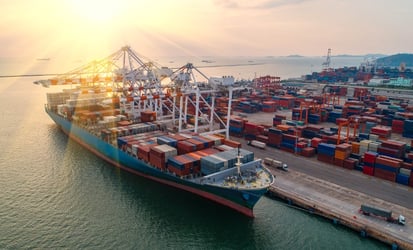 Google defines globalization simply as “...the process by which businesses or other organizations develop international influence or start operating on an international scale." This includes the offshore manufacturing of products.
Reshoring is the practice of bringing manufacturing back to the United States. While offshoring was once considered the best business move due to lower labor costs in other countries, reshoring manufacturing has been shown to make up for that with a wide range of benefits:
- Strengthens the local economy by creating jobs in the community
- Reduces unemployment
- Reduces lead times
- Reduces your carbon footprint with reduced shipping emissions
- Simplifies logistics and transportation, reducing the risk of lost or damaged products
- Helps balance the trade deficit
- Gives companies more control over production
- Keeps engineering and prototyping close to the client for quicker turnaround
- Allows employees to work under U.S. standards for safety and environmental responsibility
- Reduces the risk of misunderstandings and delays due to cultural, communication, or time zone differences
How Does Reshoring Work? And How Can It Play Into Globalization?
Reshoring your operations doesn't mean you can't maintain your status as a global company. Production globalization is the offshoring of your manufacturing, while market globalization is the sales and influence of your product outside the United States. Even with domestic production, your global market reach can expand.
The labor and production costs of reshoring pale in comparison to the many benefits—which include cost savings in other areas, like shipping, taxes, and more. It's important to carefully plan your reshoring process for a smooth transition that allows you to benefit from the change with minimal disruption.
Marlin Steel: Made in the USA
At Marlin Steel, we are a global leader in the production of superior wire products - completely made in the U.S. We prioritize quality assurance, timely manufacturing, and rapid delivery while maintaining a safe working environment for our valued employees, 20% of whom are chemical and mechanical engineers. Since 1968, we've specialized in the production of custom metal forms for clients in a wide range of industries, including medical, automotive, food processing, and more. Manufacturing is a rich part of this country's history—and its future—and we're proud to be a part of it. Contact us to learn more about our capabilities, the benefits of reshoring, and what we can do for you.