
Innovation and research and development (R&D) play a critical role in the manufacturing industry and are essential to the success of companies that want to stay competitive and meet the ever-evolving needs of their customers. Unfortunately, recent tax changes are making it more difficult for small manufacturers to invest in R&D. Companies such as Marlin Steel will be feeling the effects of these changes.
How the New Tax Code Will Impact Marlin Steel
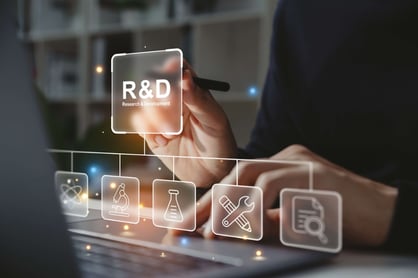 Marlin Steel has been at the forefront of innovation in the manufacturing industry for decades. Specializing in producing custom wire and sheet metal products for a variety of industries, including aerospace, medical, pharmaceuticals, and more, Marlin Steel's success is due in large part to its commitment to R&D. We have invested heavily in new technologies and processes that have enabled us to produce high-quality products quickly and efficiently.
However, recent changes to the R&D tax policy are making it more difficult for Marlin Steel to continue its R&D efforts. Under the new rules, businesses are now required to spread their R&D deductions over several years, whereas before, they could deduct all of their R&D expenses in the same year those expenses occurred. This change means that smaller companies, like Marlin Steel, will have a much harder time making investments in innovation.
The changes in the R&D tax policy are a blow to Marlin Steel's R&D efforts. This could have long-term implications for the company's ability to compete in the marketplace. In a recent interview with Nam, the president and owner of Marlin Steel, Drew Greenblatt, discusses how this tax change may threaten the company’s progress. Not only will the new tax code increase taxes, making it more difficult to invest in new talent and equipment, but it will also hinder small businesses’ ability to foster innovation and remain competitive during economic hardships.
The Takeaway
The situation at Marlin Steel highlights the need for policymakers to consider the impact of tax changes on small manufacturers. R&D is critical to the success of companies in the manufacturing industry, and small businesses should not be penalized for their size. By making it more expensive for smaller businesses to invest in R&D efforts, these tax changes could stifle innovation and limit the ability of small manufacturers to compete.
How to Move Forward
Innovation and R&D are crucial components of Marlin Steel’s success. As a manufacturer of 100% USA-made, American steel wire baskets, racks, trays, and other wire components, Marlin Steel strives to deliver top-quality products with fast delivery. We have a wide range of in-stock products and can also custom-manufacture a solution to fit your particular requirements.
To ensure we can continue innovating our products, policymakers need to be made aware of how the R&D tax policy changes are affecting small manufacturers. By making sure that the tax code encourages competitiveness and innovation, smaller businesses like Marlin Steel can continue their R&D efforts and drive growth and success in the manufacturing industry.
For more information about our dedication to R&D and innovation, or to learn more about our products and capabilities, contact Marlin Steel today. Also watch how we have grown Marlin Steel over the last several years and how we have enabled our employees to be the best they can be:
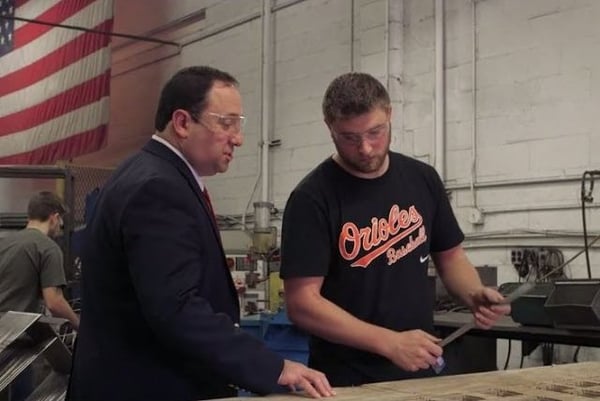
Drew Greenblatt: In 1998, when I bought the company, all we made were bagel baskets. All of a sudden, people stopped eating bagels because of the Atkins diet. We were really hurting for years. Shutting down would have been the right answer to most people, but I just was not going to give up. We've been able to transform, and now we've gone from bagels to Boeing. My name's Drew Greenblatt. I'm the president of Marlin Steel Wire. Marlin Steel makes wire baskets, material handling baskets, and sheet metal fabrications for industrial clients, people like Caterpillar, Toyota, Pfizer, Merck. My real job is picking great talent, giving them clearly defined objectives, giving them the tools, invest in their training, and then get the heck out of their way. And now we've grown eight years in a row. Marlin's successful because of quality, engineered quick. These words are the essence of our transformation. The techniques that Marlin uses are pretty simple. The Skills Matrix is a transparent way to show which employees have learned different tasks at our company.
Nathan Myers: The Skills Matrix here at Marlin is, uh, you're rewarded for learning new machines or procedures. When you do learn those machines or different skills, you make yourself a better employee. More valued to the company.
Drew Greenblatt: Cross-training's critical at Marlin. It makes us more adaptable, more nimble. This is expensive for our company, but it's a good investment. This enables us to weather the turbulence that's going on in the economy.
Roger Robertson: All of my training that I've had here at Marlin has been paid training, making sure that you can get things done as quickly as possible, not have one person who has all the skills be a bottleneck. Helps me grow, helps me be a better worker, helps the company out.
Liston Clise: Be more versatile is definitely a benefit to getting production done faster.
Drew Greenblatt: Classic Marlin story: This morning we got an order for a project we never made before. By 11:00 we had a print, by 1:00 our laser was cutting, by 2:00 our team had set up welders and benders to make the component, and by 4:00 we shipped it to California. So our client in California will have this tomorrow morning before they eat breakfast, and Liston didn't get introduced to the project until after lunch. So it's a real testament to Liston and his team to come up with a great product, tight tolerance, really fast.
Drew Greenblatt: We also have an incentive program so that each employee can receive a cash bonus if they hit their target. Money's a big motivator for our employees because it helps align our objectives. Our clients pay us to hit certain deadlines with certain quality expectations. We tie our clients' expectations with our employees.
Employee: We're given what's called a production goal of making a certain dollar amount a week. And if we do make that goal, we get a bonus. And that will appear on our check as a cut of the profits essentially, as kind of a pat on the back for saying, "You did a good job."
Drew Greenblatt: I think it's an innovative business model because we're sharing the wealth. We're incorporating our employees' success with the company's success. Our employees are with us for the long haul. They're critical to our future. And this is the reason why we're willing to stick our neck out and train them.
Kenny Browing: I've been working here seven years.
Hector Carmona: I work for 23 years.
Nathan Myers: I've worked here almost 13 years.
Andy Croniser: I've been at Marlin for seven years.
Employee: Uh, two years now. Lucky enough to work my way up to where I am now.
Drew Greenblatt: These are people. This is my team. I'm dedicated to their success. We're all in this together. We're fighting imports, we're fighting very sophisticated, savvy competitors. We don't import anything. It's all designed, engineered, fabricated, and made here in America. We're doing our part in Baltimore. We're doing our part in Maryland. This is the future. American manufacturing renaissance is happening, and we're an example of it.
.gif "View our in-stock products")